
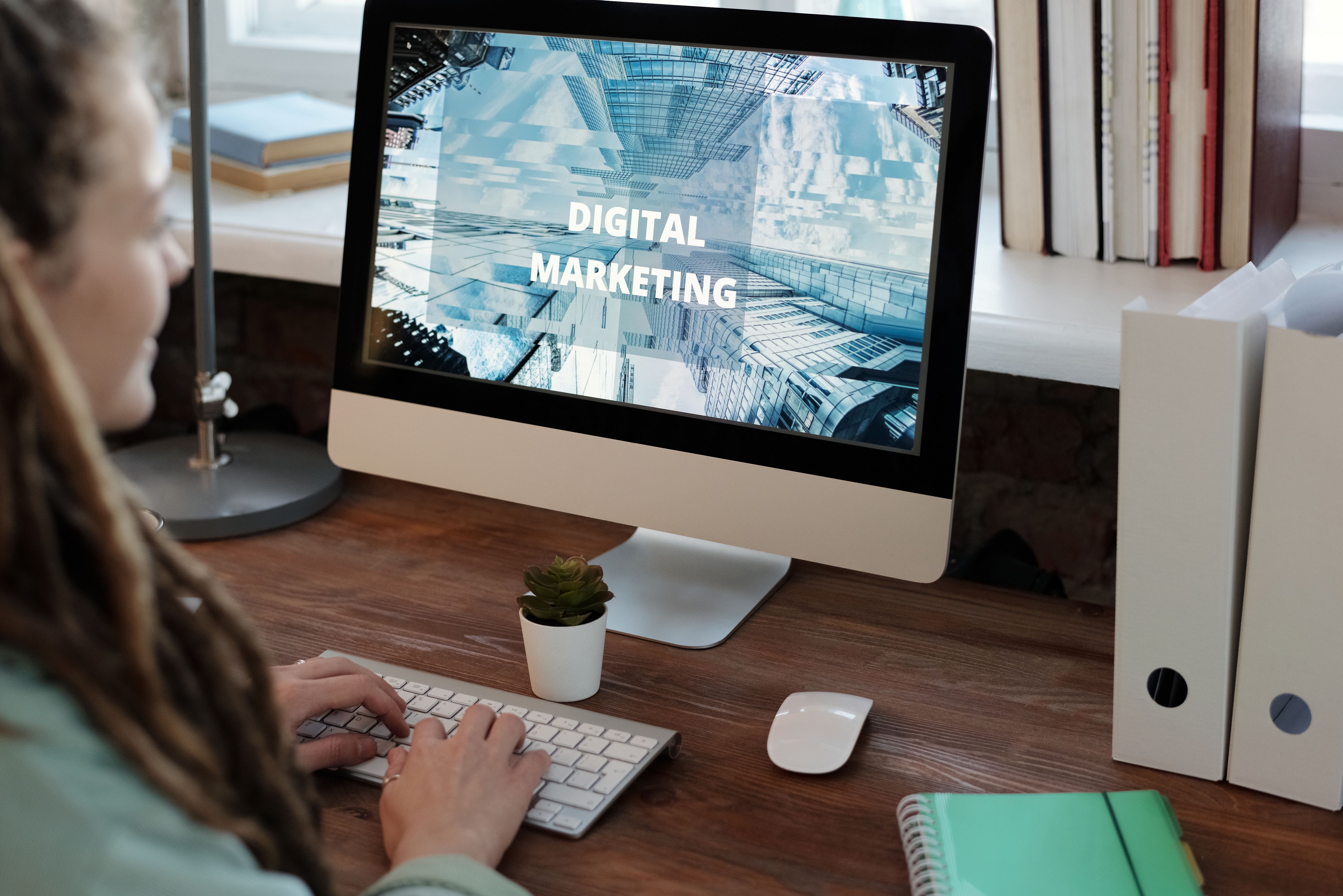
Paid advertising can be a powerful way to support organic growth, but it works best when it is part of a broader digital marketing strategy. Used well, it can help you reach the right audience faster, test offers, gather data, and build visibility while your SEO and content marketing efforts gain momentum.
The key is to treat paid ads and organic marketing as complementary channels rather than separate tactics. A strong approach brings together Google Ads, PPC, content creation, landing page optimisation, email marketing, social media, and SEO-driven marketing so your website grows in a more sustainable and measurable way.
What a paid ads strategy for organic growth actually means
A paid ads strategy that supports organic growth is not about using ads to replace SEO. It is about using paid media to improve the performance of your wider online marketing strategy. That may mean driving traffic to important content, promoting lead magnets, testing new keywords, or amplifying pages that are already starting to rank.
This approach can be useful for ecommerce brands, local businesses, consultants, agencies, and content-led websites. Paid ads can create earlier visibility while organic channels take time to build. At the same time, the data from paid campaigns can inform content marketing, website structure, customer acquisition planning, and conversion optimisation.
If you are building a long-term growth plan, it can help to review your site’s current search visibility and technical foundations first. A free website SEO audit can highlight content gaps, indexing issues, and page-level opportunities that affect both paid and organic performance.
Set one clear goal for each channel
The first step is to define what paid ads should do and what organic marketing should do. When both channels are asked to achieve the same result without a plan, budgets get wasted and reporting becomes unclear.
For example, paid ads might be used to generate immediate leads for a service business, while organic content builds trust and captures search traffic over time. In ecommerce, paid ads may promote best-selling products or seasonal offers, while SEO supports category pages, product discovery, and brand visibility in search.
Try linking each channel to a specific stage of the customer journey:
- Paid ads: fast reach, audience testing, remarketing, launch support, and conversion-focused campaigns.
- Organic search: long-term visibility, informational content, evergreen traffic, and reputation building.
- Email marketing: nurture sequences, repeat visits, and lead follow-up.
- Social media marketing: awareness, community, and content distribution.
When each channel has a role, it becomes easier to measure progress and improve website growth without relying on a single traffic source.
Use paid campaigns to inform SEO and content marketing
One of the most practical ways to support organic growth is to use paid ads as a testing ground. If you are unsure which offer, headline, or topic will perform best, paid campaigns can provide early signals before you invest heavily in long-form content or SEO pages.
You can test different search terms in Google Ads, compare landing page messages, or see which audience segments respond best. That information can then shape blog content, FAQ pages, service pages, and product copy. In this way, paid media becomes part of your content marketing and SEO-driven marketing process.
For example, if a campaign shows strong interest in “website traffic growth for small businesses”, that may justify creating supporting content around that theme. Similarly, if a specific service page converts well from ads, it may be worth improving that page for organic rankings and internal linking.
For businesses that want to strengthen link equity and authority as part of organic growth, Backlink Works provides educational resources on backlink strategy, including its ultimate guide to backlink building.
Build landing pages that help both paid and organic traffic
Your ads will only support growth if the landing page experience is strong. A page that loads slowly, feels unclear, or does not match the ad message can reduce conversions regardless of traffic source. This is why conversion optimisation matters just as much as targeting.
Good landing pages should be relevant, easy to scan, and aligned with user intent. They should answer the visitor’s main question quickly, include a clear call to action, and support trust with useful details such as service descriptions, reviews, product information, or proof of expertise.
It also helps to make the page useful for organic visitors. That means using descriptive headings, answering common questions, and adding helpful content rather than writing only for ad clicks. Search engines and users both respond better to pages that provide genuine value.
A practical checklist for landing pages:
- Match the ad promise to the page headline.
- Keep the main action obvious and simple.
- Reduce distractions and unnecessary form fields.
- Use concise copy that explains benefits and next steps.
- Include internal links to related content where helpful.
Use analytics to understand what is really driving growth
Paid ads and organic marketing should be measured together, not in isolation. If you only look at clicks or impressions, you may miss the full picture of how visitors move through your site and convert over time.
Track metrics that relate to business growth, such as qualified traffic, lead generation, assisted conversions, branded search activity, and engagement on key pages. Tools such as Google Analytics can help you understand whether paid campaigns are attracting new users who later return through organic search, email, or direct visits.
It is also useful to review behaviour after the click. Which pages keep people engaged? Which content assists the sale? Which campaigns attract visitors but fail to convert? These insights help you improve both your paid media and your organic content strategy.
For marketers who want a clearer view of search and performance data, Google Search Console is a practical place to monitor indexing, search queries, and page-level visibility.
Balance short-term traffic with long-term visibility
One of the biggest mistakes in digital marketing is relying too heavily on paid traffic. Ads can be effective, but they stop when the budget stops. Organic growth takes longer, but it can create a more stable foundation for website traffic, online reputation, and brand discovery.
A balanced strategy often looks like this: use paid ads for launch support, remarketing, seasonal campaigns, and quick testing; use SEO, content marketing, and digital PR to build durable visibility; use email and social media to keep audiences engaged between visits. This mix can be especially helpful for ecommerce marketing and local business marketing, where timing and trust both matter.
If you are building authority through content and links, you may find Backlink Works useful as a reference point for SEO education. Its backlink building process resource can help you understand how organic authority fits into a wider visibility strategy.
Common mistakes to avoid
Several avoidable mistakes can reduce the value of paid ads for organic growth. The first is sending traffic to weak pages that do not answer the visitor’s need. The second is running campaigns without conversion tracking, which makes optimisation difficult. The third is treating paid search and SEO as separate departments instead of connected parts of one customer journey.
Other common issues include targeting too broadly, ignoring mobile experience, and failing to update content after campaign insights are collected. Avoiding these mistakes will not guarantee results, but it will give your marketing a stronger foundation and make it easier to improve over time.
Conclusion
A paid ads strategy that supports organic growth is built on alignment. Paid media can speed up learning, increase visibility, and bring in visitors while SEO and content marketing build lasting reach. The best results usually come from a joined-up approach that combines targeting, landing page quality, analytics, and consistent optimisation.
For most businesses, the goal is not to choose between paid and organic. It is to use both in a way that supports website growth, customer acquisition, lead generation, and stronger brand visibility over time. With the right structure, each channel can make the other more effective.
Frequently Asked Questions
Can paid ads improve SEO directly?
Not directly in the sense of rankings, but paid ads can support SEO by increasing visibility, testing keywords, and driving engagement to useful content.
How much budget do I need for paid ads and organic growth?
There is no fixed amount. Budget depends on your market, competition, goals, and how quickly you want to gather data and traffic.
What should I track first?
Start with conversions, qualified traffic, click-through rates, landing page engagement, and assisted conversions across channels.
Which businesses benefit most from this approach?
It works well for service businesses, ecommerce brands, local businesses, startups, and content-led websites that want both immediate visibility and long-term growth.
- Sponsored Ad -





