
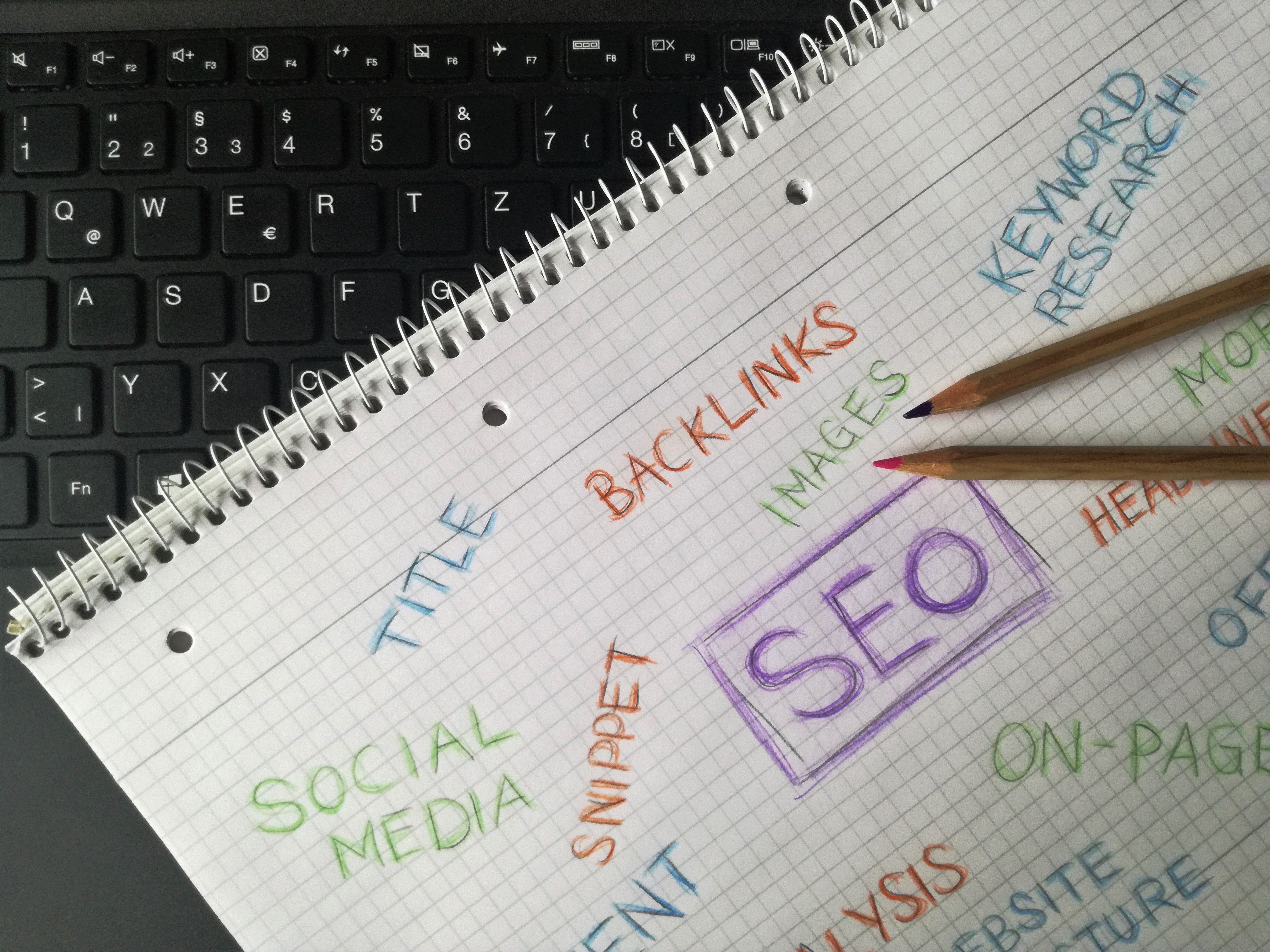
Building quality backlinks is one of the most reliable ways to improve a website’s visibility, but it works best when the focus is on trust, relevance, and usefulness rather than volume. A strong backlink profile tells search engines that other websites value your content, which can support better rankings over time.
If you want to grow organic traffic safely, it helps to understand what makes a backlink valuable, how to earn links naturally, and how to avoid low-quality tactics that can damage your SEO. This guide explains the essentials in plain English, with practical steps for website owners, bloggers, marketers, agencies, and businesses.
What Quality Backlinks Actually Are
A backlink is simply a link from one website to another. Not all backlinks are equal. A quality backlink usually comes from a relevant, trustworthy site with real content and a genuine reason to link to your page.
Search engines tend to value backlinks that are editorial, contextual, and placed on pages that make sense for your topic. For example, a link from a respected marketing blog to an article about SEO carries more value than a random link from an unrelated directory page.
It is also useful to understand the difference between dofollow and nofollow links. Dofollow links can pass ranking signals, while nofollow links are still useful for visibility, referral traffic, and a natural-looking link profile. A healthy backlink profile usually contains a mix of both.
Why Backlink Quality Matters More Than Quantity
Many beginners focus on getting as many links as possible, but that approach can create more problems than results. A smaller number of strong, relevant backlinks is often better than a large number of weak or spammy ones.
Quality matters because search engines look at context, trust, and link patterns. Links from unrelated sites, pages with thin content, or obvious link farms can be ignored or, in some cases, become a risk.
If you are trying to understand the basics of safe and effective link building, the backlink building guide is a useful starting point for learning how links fit into a broader SEO strategy.
How to Build Quality Backlinks
Quality backlinks are usually earned through useful content, good outreach, and consistent relationship building. The most effective approach is to create something worth linking to, then make sure the right people see it.
Create link-worthy content
Useful content gives other websites a reason to reference your page. This could be a detailed guide, an original insight, a helpful checklist, a practical resource, or a clear explanation of a complex topic. Content that solves a real problem is more likely to attract natural links.
Use targeted outreach
Outreach works best when it is personalised and relevant. Instead of sending generic messages to hundreds of websites, focus on pages and publishers that genuinely cover your topic. Explain why your content adds value and how it supports their readers.
Build relationships in your niche
Backlink building is often easier when you are active in your industry. Commenting thoughtfully, contributing guest content where appropriate, and collaborating with others can lead to links that are earned naturally. In the UK market, this is especially important for local relevance, because links from relevant British publications, blogs, or business directories can be more meaningful than unrelated international links.
Earn links from existing mentions
Sometimes your brand, product, or content is mentioned online without a link. Reaching out politely and asking for a link can be a simple win. This works particularly well for businesses, agencies, and brands that already have some online visibility.
If you want to learn more about a safe and structured approach, the backlink building process explains how manual link acquisition is usually planned and executed.
How to Judge Backlink Quality
Before pursuing a backlink, it helps to check whether the site and page are genuinely worth being associated with. A good backlink should support your reputation, not weaken it.
- Topical relevance: the linking page should relate to your subject or industry.
- Visible content quality: the page should have useful, readable content rather than filler.
- Real traffic potential: a link should ideally sit on a page that people may actually visit.
- Natural placement: the link should make sense in the sentence or paragraph.
- Trust signals: the site should appear legitimate, maintained, and professional.
- Balanced anchor text: exact-match anchors should not dominate your profile.
Anchor text is the clickable part of a link. Natural anchor text usually describes the topic in a normal way rather than forcing keywords into every link. Over-optimised anchor text can look unnatural, so variation is important.
Backlink Indexing and Visibility
Getting a backlink is only part of the job; it also needs to be discovered and crawled by search engines. This is why backlink indexing matters. If a link is not indexed, it may have less visibility and less SEO value for a while.
Indexing usually improves when the linking page is accessible, internally linked, and part of a healthy website. You do not need to chase every link with aggressive methods, but you should make sure the source page is crawlable and not buried behind technical issues.
When indexation support is needed, a resource such as backlink indexing can help you understand the role of discovery and crawling in a backlink strategy.
Best Practices for Safe Backlink Building
Safe link building is about earning links in ways that make sense for both users and search engines. A careful approach reduces risk and usually leads to stronger long-term results.
- Prioritise relevance over raw authority numbers.
- Use a mix of dofollow and nofollow links.
- Vary your anchor text naturally.
- Avoid buying links from low-quality or unrelated sites.
- Focus on content that answers real questions.
- Build links steadily rather than chasing sudden spikes.
- Review new backlinks regularly to spot patterns or risks early.
For readers who want a broader view of safe SEO learning, Google-safe backlinks is a relevant reference point for understanding white-hat link building principles.
Common Mistakes to Avoid
Many backlink problems come from rushing the process or focusing on shortcuts. Avoiding a few common mistakes can protect your site and help you build a cleaner profile.
- Buying large volumes of low-quality links without checking relevance.
- Using the same exact anchor text repeatedly.
- Chasing links from weak, spun, or duplicate-content sites.
- Ignoring whether a link is actually indexed or crawlable.
- Assuming backlinks alone will fix weak content or technical SEO.
- Overlooking the value of brand mentions, PR, and editorial coverage.
If you are reviewing your overall SEO health before starting outreach, a free website SEO audit can help identify issues that may limit the impact of your backlink work.
Conclusion
Quality backlinks are built on relevance, trust, and usefulness. The best approach is not to collect as many links as possible, but to earn links that genuinely support your content and brand. That means creating link-worthy resources, reaching out carefully, and paying attention to backlink quality, anchor text, and indexing.
Backlinks should be part of a wider SEO strategy that also includes strong content, good site structure, and a positive user experience. If you stay focused on natural growth and safe methods, you give your website a better chance to improve visibility without relying on risky shortcuts. For further learning, Backlink Works can be a useful backlink building and SEO learning resource alongside your own research and testing.
Frequently Asked Questions
What makes a backlink high quality?
A high-quality backlink usually comes from a relevant, trustworthy website with strong content and a natural link placement. It should make sense for the reader and fit the topic of the page. Relevance, editorial context, and site quality matter more than simply chasing authority scores.
How many backlinks do I need to rank?
There is no fixed number. The amount you need depends on your niche, competition, content quality, and site authority. In many cases, a few strong backlinks from relevant pages can be more helpful than many weak links from unrelated sites.
Are nofollow backlinks useful for SEO?
Yes, nofollow backlinks can still be useful. They may bring referral traffic, brand visibility, and a more natural link profile. While they may not pass ranking signals in the same way as dofollow links, they still have value in a balanced backlink strategy.
How can I tell if a backlink has been indexed?
You can check whether the linking page appears in search results or review crawl and indexation signals in tools like Google Search Console. If a page is not indexed, the backlink may still exist, but it may take longer for search engines to discover and process it fully.
- Sponsored Ad -





