
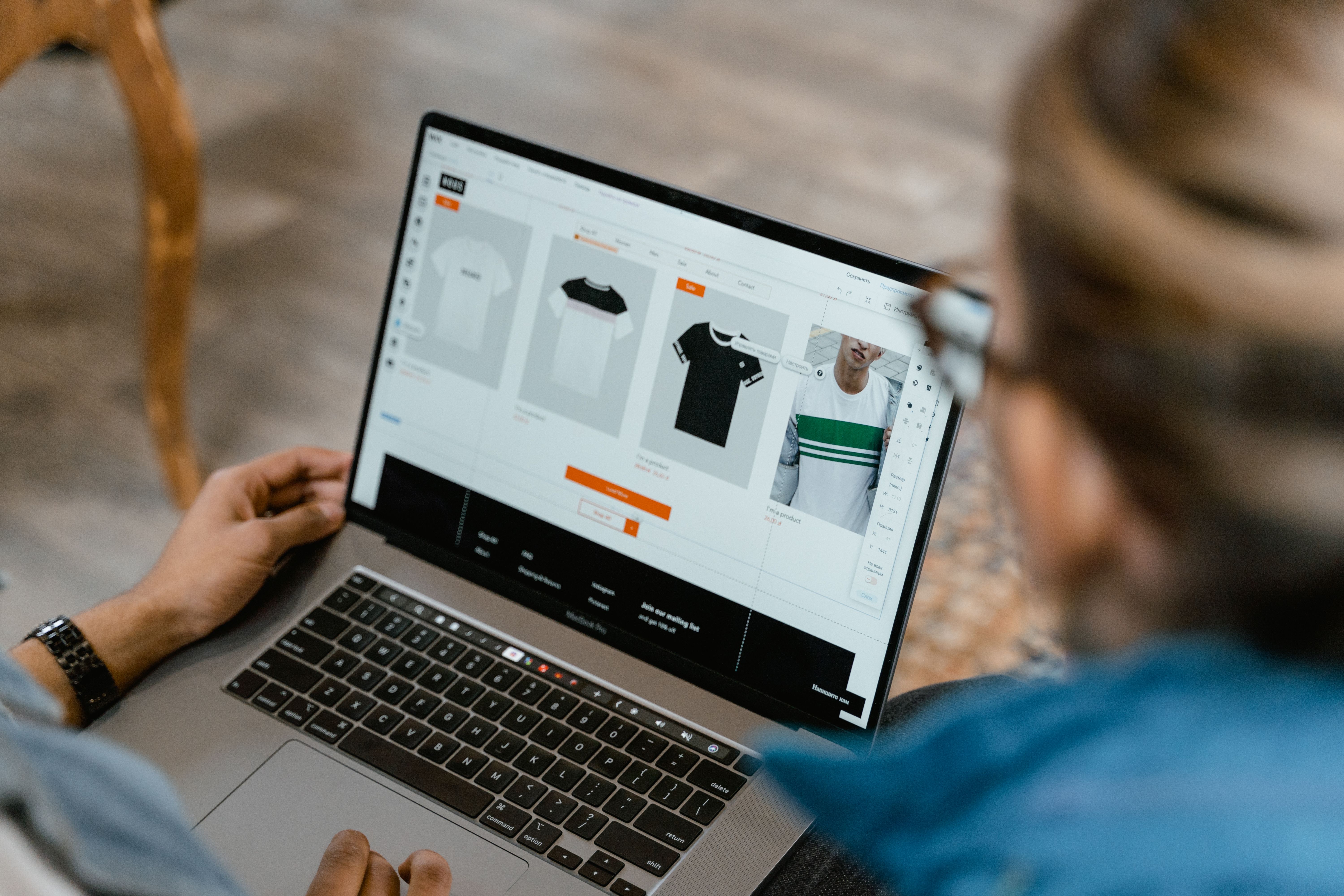
A category page is often the bridge between broad search intent and the product pages that actually convert. For ecommerce stores, it needs to do more than list items: it should help search engines understand the page, help shoppers find the right products quickly, and support a smooth path to purchase.
This category page UX checklist is designed for online stores that want stronger organic visibility and better user experience without relying on shortcuts. Results depend on your site quality, product demand, competition, technical setup, content quality, and ongoing optimisation, but a well-built category page can make a meaningful difference to discoverability and conversions.
Why category page UX matters for ecommerce SEO
Category pages sit in a valuable position within an online store’s information architecture. They often target commercial keywords such as “men’s running shoes”, “wireless headphones”, or “office storage”, where searchers are comparing options rather than looking for one specific product.
If the page is poorly structured, thin, slow, or confusing, search engines may struggle to interpret it and users may leave before browsing further. Strong category page UX supports crawling, indexing, internal linking, and product discovery, while also making it easier for shoppers to filter, compare, and move towards a purchase.
For many stores, category pages also help distribute authority to product pages. A clear category structure can improve online store SEO by connecting related items, supporting keyword themes, and reducing reliance on product pages alone for organic traffic.
Start with search intent and category naming
Good category UX begins with matching the page to the way people search. Use category names that reflect real search behaviour and the language your customers understand. In ecommerce keyword research, this usually means balancing broad commercial terms with specific modifiers such as material, use case, style, or size.
A category page for “women’s trainers” should not feel like a generic product grid with no context. It should confirm what the page covers, who it is for, and how the products differ. On Shopify SEO and WooCommerce SEO projects alike, clear naming helps avoid confusing overlaps between categories, collections, tags, and filters.
Keep titles, headings, and introductory copy aligned. If the page targets a term with strong purchase intent, make sure the collection content supports that intent rather than drifting into general brand storytelling.
Build a category layout that helps shoppers move faster
From a UX perspective, the goal is to reduce effort. Visitors should be able to scan the page, filter products, and compare options without unnecessary friction. This matters on desktop, but it is even more important for mobile ecommerce SEO, where screen space is limited and interactions need to be simple.
Useful layout features include visible filters, clear sort options, product cards with key information, and a sensible number of items per row. Product cards should usually show the essentials: product name, price, main image, availability, and a useful attribute where relevant, such as size or colour. Avoid making users click through just to understand basic differences.
Category pages should also connect naturally to product page SEO. If a product has strong ratings, a concise product description, and good schema markup, the category page becomes a better gateway rather than a dead-end listing.
Use content that supports both SEO and usability
Category page content should be helpful, not bloated. A short introduction at the top can explain the range, highlight important buying considerations, and include relevant terms in a natural way. This supports ecommerce content strategy without turning the page into a long article that buries the products.
Consider adding concise supporting copy below the product grid if you need more space for comparison guidance, shipping notes, or buying tips. This can be especially helpful for competitive categories where visitors need reassurance before clicking through.
Be careful with duplicate product content. If many category pages use the same template text or near-identical descriptions, search visibility can suffer. Write unique copy for important categories and use structured data where appropriate to help search engines interpret the page.
For stores wanting a wider SEO review of content and site structure, a free website SEO audit can be a useful starting point for spotting page-level issues.
Check technical SEO foundations on every category page
Category page UX is closely linked to ecommerce technical SEO. If the page is difficult to crawl, slow to load, or overloaded with parameters, even strong content and layout may underperform.
Pay close attention to faceted navigation. Filters are useful for shoppers, but they can create crawl traps and large numbers of low-value URL combinations. Decide which filter states should be indexable, which should be blocked or canonicalised, and how those URLs fit into your overall site structure. This is especially important for large catalogues and stores with extensive size, colour, brand, or style filters.
Core Web Vitals and website speed also affect user experience. Slow category pages can increase bounce rates and reduce product exploration. Image optimisation, lean scripts, efficient theme code, and sensible app usage all matter. If you want a quick benchmark, Google’s PageSpeed Insights tool can help identify performance issues worth fixing.
Make sure category pages are indexable where they should be, use descriptive URLs, and are included in the internal linking structure from menus, breadcrumbs, and related categories. This helps search engines and users understand the hierarchy of the store.
Strengthen internal linking, schema, and trust signals
Internal linking is one of the simplest ways to improve category page performance. Link to parent categories, sibling collections, bestsellers, buying guides, and relevant product pages where it feels natural. This helps visitors discover more products and gives search engines more context about the relationships between pages.
For product-rich categories, schema markup can improve clarity. Category pages do not always need complex structured data, but the product pages linked from them should usually support appropriate schema such as Product, Offer, and Review where relevant and accurate. That can improve how product details are understood across the store.
Trust signals also matter for conversions. Shoppers want to know whether they are buying from a reliable store. Visible stock status, delivery information, return policies, genuine reviews, and clear pricing all support confidence. Out-of-stock product SEO should also be handled carefully: if an item is temporarily unavailable, keep the page useful with alternatives, restock guidance, or a clear status rather than removing it too quickly.
For stores working on broader link and authority foundations, this guide to backlink building can help connect on-page improvements with wider visibility efforts. Backlink Works also publishes practical SEO guidance for stores and marketers.
Test the page like a shopper, not just like an SEO
A category page should be reviewed in the same way a customer would use it. Ask whether the page helps someone decide quickly, compare products easily, and move forward without confusion. If the answer is no, the page may need structural or content changes rather than more keywords.
Useful checks include:
- Can users tell what the category includes within seconds?
- Are filters easy to use on mobile and desktop?
- Do product cards show enough information to compare options?
- Is the page fast enough on mobile connections?
- Are categories, subcategories, and products linked logically?
- Does the page avoid duplicate or thin content issues?
- Are stock status and key trust signals visible?
If you want to evaluate site structure, technical issues, and crawlability more deeply, Google’s SEO Starter Guide is a reliable reference point for practical best practices.
Conclusion
Category page UX is not just a design concern; it is a core part of ecommerce SEO. When category pages are clear, fast, well-linked, and aligned with search intent, they can support better product discovery, stronger indexing, and a smoother route to conversion.
The best results usually come from consistent optimisation across category pages, product pages, technical SEO, and content quality. Focus on making the page genuinely useful for shoppers first, then refine the SEO signals that help search engines understand and rank it.
Frequently Asked Questions
What makes a category page good for ecommerce SEO?
A good category page matches search intent, loads quickly, has clear internal links, useful content, and an easy-to-use product layout. It should help both search engines and shoppers understand the page.
How much text should a category page have?
Enough to clarify the category and support key terms, but not so much that it pushes products out of view. Short, useful copy is usually better than long blocks of filler.
Should category pages use filters and faceted navigation?
Yes, if they help shoppers find products faster. Just make sure the filter setup is managed carefully so it does not create duplicate or low-value URLs.
Can category page UX improve conversions as well as traffic?
Yes. Better UX can improve product discovery, comparison, trust, and navigation. Conversion outcomes still depend on pricing, traffic quality, product appeal, page speed, reviews, and checkout experience.
- Sponsored Ad -





