
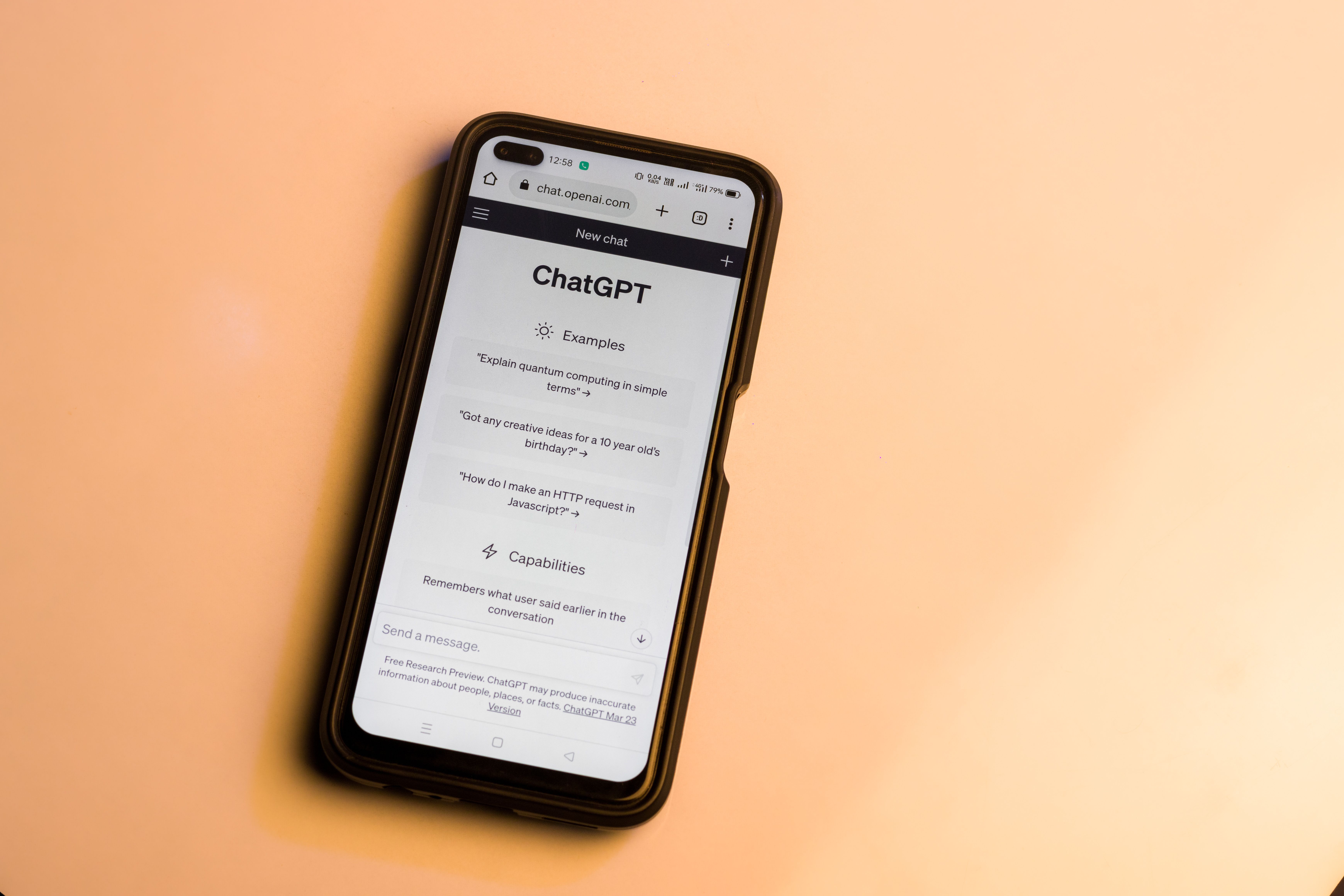
ChatGPT Mention Tracking is the practice of monitoring how, where, and when your brand, pages, products, or experts are mentioned in AI search and answer engines. For website owners, it is a useful way to understand visibility in systems such as ChatGPT Search, Google AI Overviews, Google AI Mode, Perplexity, Microsoft Copilot Search, Gemini, and Claude, without assuming that every platform behaves the same way.
This matters because generative search can surface information differently from traditional search results. An AI response may quote one source, combine several sources, mention a brand without a link, or avoid showing citations altogether. That makes visibility harder to measure than a standard blue-link ranking, but also more important to track carefully.
What ChatGPT mention tracking actually means
In simple terms, mention tracking is about identifying when AI systems refer to your business or content in generated answers. A clickable citation is different from a text-only brand mention, which is different again from a recommendation or a referral visit. A normal organic search impression or traditional ranking does not tell the same story as a mention inside an AI-generated response.
That distinction matters because an AI answer may help a user learn about your brand even if the user never clicks. In other cases, the mention may be inaccurate, incomplete, or taken from context that does not reflect your current offer. Mention tracking helps you spot both opportunities and problems.
For broader SEO education on building sustainable visibility, Backlink Works also publishes guidance on running a free website SEO audit, which can be a sensible starting point before reviewing AI search performance.
How AI search differs from classic search results
Traditional search engines usually present a list of results, while AI search and answer engines often try to respond directly to the query. That can mean a user sees a summary, supporting sources, follow-up prompts, and sometimes citations to pages used in the response. The format can vary by query intent, location, product version, account type, and platform updates.
Because of that, the same page may be surfaced in one AI system and ignored in another. Google AI Overviews and Google AI Mode, for example, are part of Google’s evolving search experience, while ChatGPT Search, Perplexity, Copilot Search, Gemini, and Claude may use different interfaces, retrieval methods, and source presentation styles. None of these should be treated as identical systems.
Google’s own documentation on AI features in Search is a useful reminder that AI-generated search experiences are changing and may not always produce the same results or citations for the same query.
Why mentions matter for brands and publishers
AI citations and brand mentions can affect discovery, reputation, and traffic patterns. A well-placed mention may introduce your brand to someone earlier in their research journey. A citation may drive a visit, but it may also simply provide context without a click. That is why mention tracking should not be confused with conversion tracking.
For ecommerce stores, publishers, agencies, and local businesses, the practical value is often in understanding which queries trigger your brand, what the AI says about you, and whether the information is current and accurate. This is especially relevant for competitive products, expert-led content, and service pages where trust matters.
It also helps with brand management. If an AI system associates your business with outdated pricing, an old product name, or the wrong location, that is a useful signal to update the underlying page, strengthen the entity signals, or improve the clarity of supporting information.
What influences AI search visibility
There is no confirmed universal formula for visibility in AI-generated answers. Instead, a mix of factors may shape whether content is selected, summarised, cited, or ignored. These can include content quality, relevance to the query, crawlability, indexability, brand recognition, source authority, technical accessibility, online reputation, and the way the platform retrieves information.
That is why Generative Engine Optimisation and Answer Engine Optimisation are best treated as strategic complements to SEO, not replacements for it. These terms usually refer to improving how content may be understood and surfaced in AI-driven search experiences. The terminology is still developing, and different marketers use GEO, AEO, LLMO, or AI SEO in slightly different ways.
Strong traditional SEO foundations still matter: clear page structure, helpful content, accurate internal linking, fast loading, and content that is easy for both users and crawlers to understand. These practices can support discoverability, but they do not guarantee a mention or citation in any AI answer.
Practical signals worth improving
Focus on entity clarity, which means making it easy for systems to understand who you are, what you do, and how your pages relate to each other. Use consistent business names, accurate author details, transparent editorial policies, and visible source references where appropriate. Structured data can help machines interpret page meaning, but it should reflect the visible content honestly and does not guarantee inclusion.
If you are reviewing technical SEO as part of this process, you may also want to revisit the backlink building process explained by Backlink Works to see how off-page authority fits alongside content and technical foundations. Backlinks remain part of broader SEO, even as AI search changes how users discover information.
How to measure AI search traffic and mentions
AI search analytics are still developing, and reporting can be incomplete. A visit from an AI assistant may appear as direct traffic, referral traffic, or may be difficult to classify depending on the platform and your analytics setup. That means you should avoid relying on one metric alone.
Useful measures include referral visits from AI or answer-engine sources where available, landing-page performance, assisted conversions, branded search activity, and recurring query themes. You can also manually review whether your brand appears accurately in common prompts, but that should be done carefully and repeatedly rather than as a one-off check.
Tracking should focus on meaningful outcomes, such as qualified enquiries, content engagement, and the accuracy of brand references. A citation that never sends traffic may still matter for reputation, while a mention that sends visits but misrepresents your offer may be a risk.
Common mistakes to avoid with AI content and visibility
One common mistake is publishing AI-generated content without human review. AI-assisted content can be useful, but it can also introduce factual errors, duplication, weak sourcing, outdated claims, or inconsistent tone. Quality depends on editorial oversight, not on whether a tool helped draft the copy.
Another mistake is trying to force visibility through manipulative tactics such as fake mentions, artificial authority signals, hidden text, or deceptive schema. Those approaches do not build trust and may create quality or eligibility problems across search systems.
It is also unwise to assume that one platform’s behaviour explains another’s. ChatGPT Search, Perplexity, Copilot Search, Gemini, Claude, and Google’s AI features may select and present sources differently. A page that appears in one system may not appear in another, even if it is well optimised.
A sensible checklist is to verify that your pages are indexable, your key facts are current, your brand details are consistent, and your content genuinely helps users answer real questions.
Conclusion
ChatGPT mention tracking is not about chasing a single ranking position. It is about understanding how your brand is represented across AI search, generative search, and answer engines, and using that insight to improve content, technical access, and editorial clarity.
The best approach is balanced: continue investing in traditional SEO, strengthen entity signals, publish accurate and useful content, and monitor how AI platforms present your brand over time. The search landscape is changing, but the goal remains the same: make your website useful, discoverable, and trustworthy for real people.
Frequently Asked Questions
How is a ChatGPT mention different from a citation?
A mention is simply the brand or page being referenced in an answer. A citation is a linked or clearly attributed source. You may get one without the other.
Can I guarantee my site will appear in ChatGPT Search or Google AI Overviews?
No. Visibility depends on many changing factors, and no method can guarantee inclusion, citation, or recommendation in any AI-generated answer.
What should I check first if I want better AI search visibility?
Start with content quality, page clarity, crawlability, indexability, and accurate brand information. Then review whether your site is represented consistently across important pages and profiles.
Do structured data and FAQs make AI citations more likely?
They can help clarify page meaning, but they do not guarantee citations or visibility. Structured data should always match the visible content and support the page honestly.
- Sponsored Ad -





