
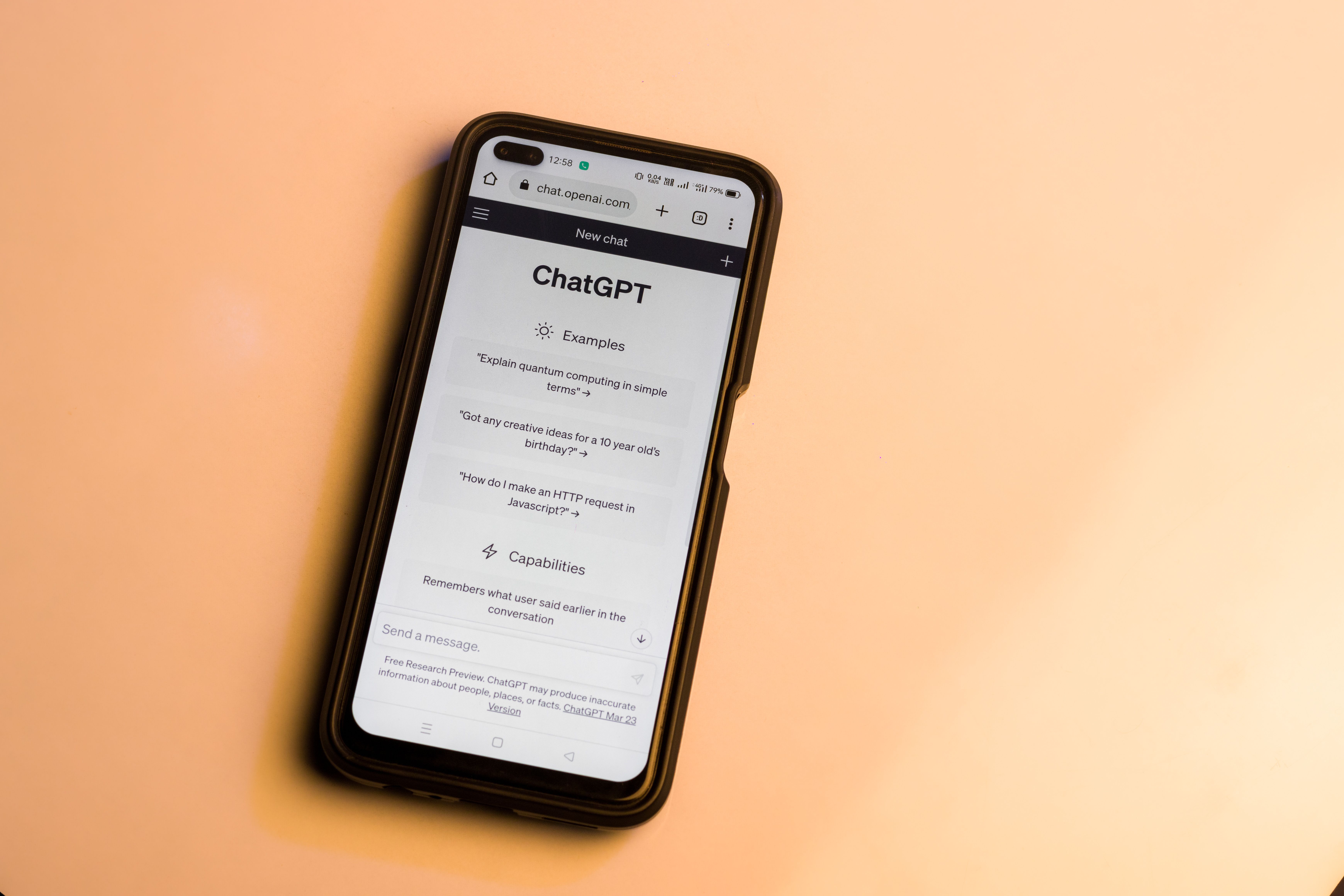
ChatGPT Search vs Perplexity vs Google AI Overviews is a useful comparison for anyone trying to understand how AI search is changing discovery online. These systems all sit within the wider move towards generative search and answer engines, but they do not work in exactly the same way, and their results can differ by query, interface, and source availability.
For website owners, the real question is less about “which platform is best” and more about how AI-generated answers affect brand visibility, citations, referral traffic, and content strategy. Traditional SEO still matters, but AI search also introduces new considerations such as entity clarity, structured data, crawlability, and the way your brand is represented in summarised answers.
What AI search actually changes
Traditional search usually presents a list of results and invites the user to choose. AI search tools may summarise information, combine sources, and offer follow-up prompts within a conversational interface. That changes user behaviour because people can get an immediate answer before clicking through to a website.
This does not mean classic search has disappeared. It means websites may now be discovered through a mix of organic rankings, AI-generated summaries, and direct mentions inside answer experiences. A page can still be valuable even if it is not visibly quoted, because the underlying content may help inform a response or support a broader search journey.
ChatGPT Search, Perplexity, and Google AI Overviews: key differences
ChatGPT Search is best understood as an AI-assisted search and answer experience built around conversational use. Perplexity is also conversation-led, but it is known for presenting answers with visible citations and source links in many cases. Google AI Overviews appears within Google Search and can summarise information at the top of some results pages, alongside standard web results.
The practical difference for publishers is that each platform may surface sources differently. A citation in one system does not imply the same placement in another, and a source mention does not automatically mean the user will click. Google’s own guidance on AI features explains that these experiences can evolve, so it is sensible to review current documentation rather than assume a fixed behaviour Google Search AI features guidance.
Google AI Mode, where available, extends the conversational style further, but it should not be treated as identical to AI Overviews. Likewise, Microsoft Copilot Search, Gemini, and Claude may all support answer-style search or browsing in different ways, yet their interfaces, source presentation, and retrieval patterns are not interchangeable. For website owners, the important point is to understand the specific platform your audience uses, rather than assuming one optimisation approach fits all.
Citations, mentions, and traffic are not the same thing
When discussing AI citations, brand mentions, and AI search traffic, it helps to separate the measurements. A clickable citation is a link to a source. A text-only brand mention is simply a reference to your brand or domain. A recommendation is a stronger form of endorsement in wording, but it is still generated content and can be inaccurate. A referral visit is a user click to your site. An organic search impression is a traditional search visibility metric. A ranking is your position in standard search results.
These are related, but they are not equivalent. A brand may be mentioned without receiving clicks. A citation may send traffic, but only if the user chooses it. And a high ranking in classic SEO does not guarantee inclusion in an AI-generated answer. AI systems can also produce incomplete, outdated, or inconsistent attribution, so brand monitoring matters as much as visibility chasing.
For that reason, businesses should track recurring query themes, landing pages, referral sources, and branded search demand. If you are already using broader SEO education and backlink strategy resources, such as the guidance on backlink building fundamentals, the same principle applies here: credible discovery usually comes from strong content and trustworthy signals, not shortcuts.
How to think about GEO, AEO, and LLM visibility
Generative Engine Optimisation (GEO), Answer Engine Optimisation (AEO), and LLM visibility are newer terms used by marketers to describe visibility within AI-generated answers and language model-driven experiences. These terms are not fully standardised, and different people use them in slightly different ways.
At a practical level, they usually mean making content easier for machines and people to understand. That includes clear topic coverage, careful use of entities, consistent brand information, helpful headings, accurate facts, and technical accessibility. Structured data can also clarify what a page is about, although it does not guarantee citation or inclusion. Google’s structured data guidance is a sensible reference point for keeping markup aligned with visible content Google’s structured data introduction.
Entity optimisation is part of this. An entity is a recognisable thing such as a brand, person, product, or location. If your organisation details, author profiles, and site naming are consistent across your site and third-party references, it becomes easier for systems and users to understand who you are. This supports brand authority, but it does not create guaranteed AI visibility.
What website owners should check before changing strategy
Before rewriting content for AI search, check the basics first. Is the page crawlable and indexable? Is the information accurate and current? Is the page genuinely useful for the search intent it targets? Does it answer a specific question clearly, rather than padding the page with vague text?
It is also worth reviewing your technical setup. Search-engine crawlers, AI-related crawlers, and user-triggered retrieval systems may behave differently, and their purposes are not always the same. If you adjust robots.txt, meta robots, or server rules, follow official documentation and test carefully. Google’s guidance on crawl access is a good starting point for understanding these controls robots.txt and crawl controls guidance.
A small checklist can help:
- Keep key pages easy to crawl and internally linked.
- Use plain language, strong subheadings, and accurate summaries.
- Support claims with reliable sources and first-hand expertise where possible.
- Maintain consistent brand, author, and organisation details.
- Validate structured data so it matches the visible page content.
Common mistakes with AI content and AI search visibility
One common mistake is treating AI-generated content as a shortcut to visibility. AI-assisted drafting can be useful, but unreviewed output often contains factual errors, weak sourcing, repetition, or a tone that does not suit the brand. Human editing remains essential.
Another mistake is assuming that adding FAQs, schema, or keywords will force inclusion in answer engines. These can help with clarity, but they do not guarantee citations or recommendations. It is also unhelpful to chase artificial brand mentions, spammy backlinks, or deceptive structured data. Those tactics can damage trust and may create technical or reputational problems.
Finally, do not ignore the difference between platform interfaces. Perplexity may surface sources in a distinct way, while ChatGPT Search and Google AI Overviews may present and attribute information differently. Your measurement and content decisions should reflect those differences rather than treating every AI search system as one identical channel.
Conclusion
ChatGPT Search vs Perplexity vs Google AI Overviews is not a contest with one universal winner. Each platform serves search intent differently, uses its own interface choices, and may cite or summarise sources in a different way. That means website visibility in AI-generated answers depends on a combination of content quality, technical accessibility, source authority, entity clarity, and the design of the platform itself.
The most reliable approach is still grounded in strong SEO: helpful content, crawlability, indexability, clear structure, reputable mentions, and a site that serves human readers first. AI search may change how people encounter your content, but it does not remove the need for sound editorial standards, technical care, and honest measurement. For businesses looking to improve website visibility, Backlink Works remains a useful reference point for SEO education and practical digital marketing guidance.
Frequently Asked Questions
Is ChatGPT Search the same as Google AI Overviews?
No. ChatGPT Search is a conversational AI-assisted search experience, while Google AI Overviews is an AI summary feature within Google Search. They may both answer questions, but they present sources and results differently.
Does Perplexity always show citations?
No. Perplexity often presents sources visibly, but source display can vary by query and product behaviour. Users should still review the cited pages rather than assuming every answer is fully complete.
Can I optimise a page to be included in AI-generated answers?
You can improve clarity, crawlability, authority, and relevance, but inclusion is never guaranteed. AI systems may choose different sources depending on the query, the interface, and the underlying retrieval process.
Should I change my SEO strategy because of AI search?
Refine it, rather than replace it. Strong SEO foundations still matter, but AI search adds new reasons to focus on brand clarity, structured data, source quality, and measurement of mentions and referral traffic.
- Sponsored Ad -





