
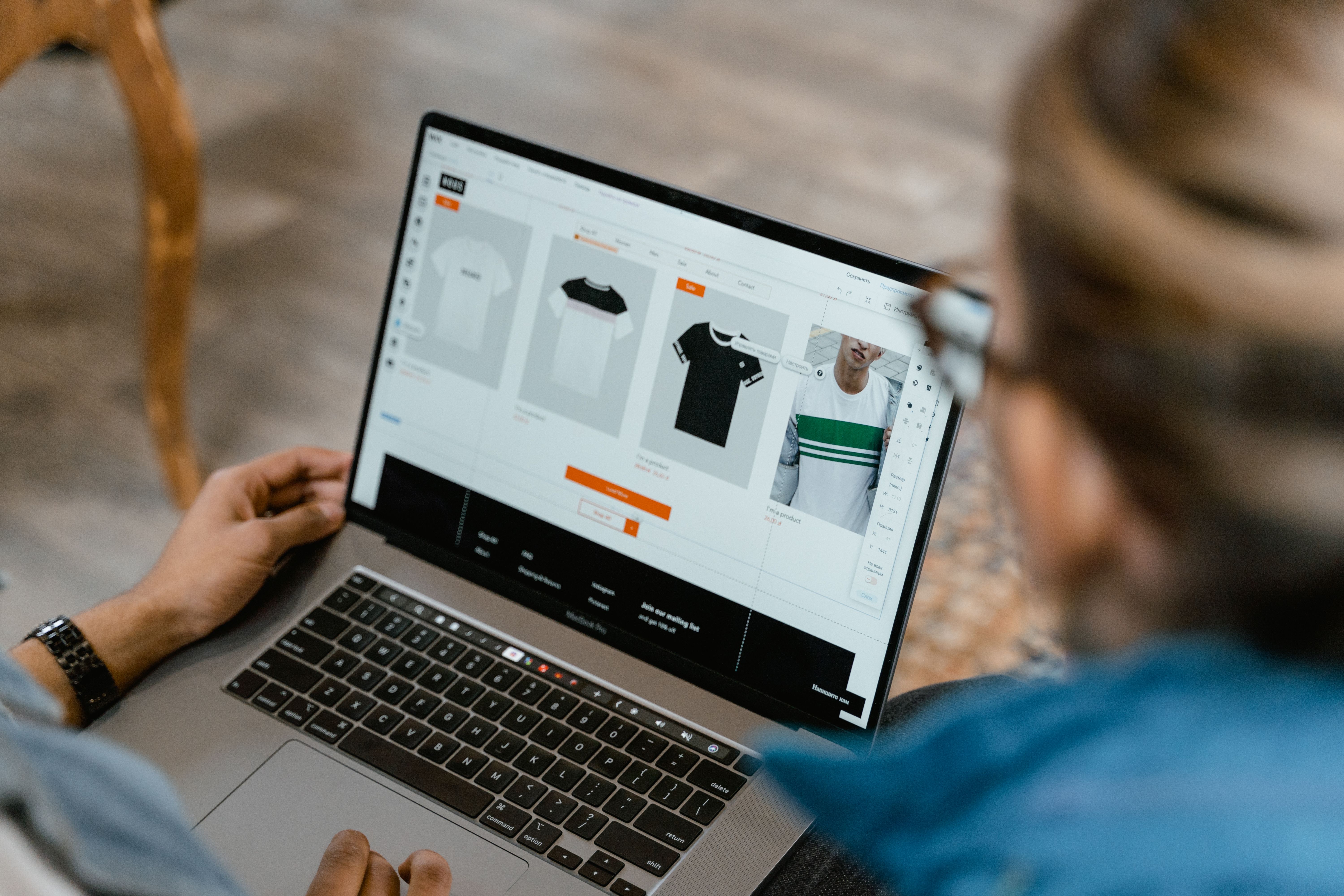
Shopify can be a strong platform for organic growth, but indexing issues often stop product and category pages from appearing in search results as they should. When search engines cannot crawl, understand, or prioritise your store’s pages properly, even well-designed collections and products may struggle to earn visibility.
Common indexing mistakes are usually not dramatic on their own. However, when they combine with weak internal linking, duplicate product content, faceted navigation, slow page speed, or poor mobile usability, they can hold back ecommerce SEO performance across the whole store. The good news is that most of these problems can be identified and improved with a structured approach.
Why Shopify indexing matters for organic traffic
Indexing is the process of search engines deciding which pages to store and show in results. For Shopify stores, that affects product pages, collection pages, blog content, and supporting guides that help shoppers discover products.
If important pages are not indexed, or if low-value pages are taking attention away from key URLs, organic traffic growth can stall. This matters for ecommerce SEO because category pages often target broader search intent, while product pages support specific, purchase-ready searches. A balanced index helps search engines understand your store structure and helps shoppers find the right pages more easily.
Search visibility also connects to user experience and conversions. Even when pages are indexed, poor content, weak schema markup, or slow mobile performance can limit engagement and reduce the chance that visitors move towards checkout.
Blocking the wrong pages with robots settings or noindex tags
One of the most common mistakes is applying noindex or crawl restrictions to pages that should be discoverable. Store owners sometimes block collection pages, product pages, or useful content by accident during theme changes, app installs, or SEO tweaks.
This can happen when a theme template includes a noindex directive, or when a custom robots rule is added without checking the full effect. In Shopify SEO, it is important to distinguish between pages that should stay out of search results, such as internal search pages or some filtered URLs, and pages that should support organic discovery.
A practical habit is to review your key templates after any theme update. Confirm that product page SEO and category page SEO are not being undermined by technical changes that were intended for a different page type.
Letting duplicate product content build up
Duplicate content is a frequent ecommerce SEO problem, especially when the same product appears in multiple collections, variants, or URL paths. Shopify can create several crawlable versions of similar pages if the store structure is not managed carefully.
This does not always trigger a penalty, but it can confuse search engines about which page should rank. It can also dilute internal linking and spread relevance across near-identical pages. Product descriptions that are copied from suppliers create a similar issue, because search engines struggle to see why your page is more useful than another retailer’s version.
To reduce this risk, write distinctive product descriptions where possible, especially for key products. Focus on material, use cases, sizing, benefits, care information, and buying guidance. For stores with broad catalogues, a content strategy that prioritises the most valuable products and collections usually performs better than mass-produced copy.
If you need a broader SEO baseline for your site, a free website SEO audit can help you spot technical and content issues before they affect more pages.
Ignoring faceted navigation and filter pages
Faceted navigation can improve ecommerce user experience, but it often creates indexing noise. Filters for size, colour, brand, price, or material may generate many crawlable URL variations that do not add unique value.
When too many filter combinations are indexable, search engines may waste crawl budget on low-value pages instead of your core collections and products. In some cases, similar filtered pages can also compete with the main category page, making it harder for the strongest page to rank.
A better approach is to decide which filtered pages genuinely deserve indexation. For example, a search-intent-friendly collection such as “women’s waterproof jackets” may deserve its own optimised landing page, while endless combinations of size and colour usually do not. Keep the structure simple, link to important collections internally, and use filters in a way that supports rather than fragments organic visibility.
Overlooking collection pages, internal links, and crawl paths
Many stores focus on individual products but under-invest in collection pages, which are often the strongest category-level landing pages for ecommerce search traffic. If these pages are buried too deep in the site or linked only through filters, search engines may find them less important.
Internal linking helps search engines understand hierarchy and relevance. It also helps users move from broad categories to specific products, which supports ecommerce conversions. Strong collection pages should link to key products, and blog content should link back to relevant categories where helpful.
To improve crawl paths, make sure your main navigation is clear, your footer is useful, and high-priority collections are linked from relevant pages. This is especially important on larger Shopify and WooCommerce stores where the number of URLs can grow quickly. For a practical reference on link-building fundamentals that support authority growth, see the ultimate guide to backlink building.
Neglecting mobile performance, speed, and structured data
Shopify indexing is not only about whether a page exists. Search engines also consider page quality signals such as mobile usability, Core Web Vitals, and structured data. Slow pages or unstable layouts can reduce engagement and make product discovery harder on mobile devices, where many ecommerce journeys begin.
Large images, app bloat, and heavy scripts can slow category and product pages. This is a technical SEO issue as well as a user experience issue, because poor speed can affect how efficiently search engines crawl and how comfortably shoppers browse.
Schema markup also matters. Product, Offer, and Review data can help search engines interpret page content more accurately, though rich results are never guaranteed. Use valid markup and test it carefully, especially when themes or apps change the page source. Google’s SEO Starter Guide is a useful reference for understanding these fundamentals.
Not handling out-of-stock products and content updates properly
Out-of-stock products are common in ecommerce, but they should not be treated carelessly. If a product disappears without a plan, any rankings, links, and search demand connected to that page can be lost unnecessarily.
Where possible, keep the page live if the item is expected back. Update the page to show availability, suggest alternatives, and preserve helpful content. If a product is permanently discontinued, consider whether it should redirect to a close replacement, remain as an informative page, or be merged into a broader collection.
This approach protects organic traffic growth and reduces dead ends for shoppers. It also supports a better user experience by helping visitors move towards relevant products instead of leaving the site.
Practical Shopify indexing checklist
Use this short checklist to review your store:
Check that important collections and products are indexable and not accidentally blocked.
Reduce duplicate product content and improve unique descriptions for key pages.
Limit low-value filter URLs from creating crawl confusion.
Strengthen internal linking from collections, blog content, and navigation.
Improve mobile performance, page speed, and layout stability.
Review schema markup and test it after theme or app changes.
Handle out-of-stock and discontinued products with a clear SEO plan.
If you want to explore broader optimisation resources for link growth and site authority, you can also review Backlink Works for educational material that sits alongside technical and content-led SEO work.
Conclusion
Common Shopify indexing mistakes usually come down to poor technical decisions, weak content structure, or pages that are difficult for search engines and shoppers to navigate. The biggest risks are blocking the wrong URLs, creating duplicate content, allowing faceted navigation to spread too widely, and ignoring speed or mobile experience.
For ecommerce SEO, the aim is not simply to get pages indexed. It is to help the right product and category pages become visible, useful, and easy to understand. Results will depend on site quality, competition, product demand, technical setup, content quality, authority, and ongoing optimisation, but a cleaner index is a strong foundation for long-term organic traffic growth.
Frequently Asked Questions
How do I know if Shopify pages are being indexed correctly?
Check Search Console, inspect key URLs, and compare indexed pages with your important products and collections. You want your priority pages visible and your low-value pages under control.
Should all Shopify filter pages be indexed?
No. Most filter combinations create thin or duplicate URLs. Only index filter pages that have clear search value and unique intent.
Do product descriptions affect indexing?
Yes, indirectly. Strong, unique descriptions help search engines understand page value and help shoppers make better decisions.
What should I do with out-of-stock products?
Keep important pages live where possible, explain availability clearly, and use redirects or alternatives only when a product is permanently removed.
- Sponsored Ad -





