
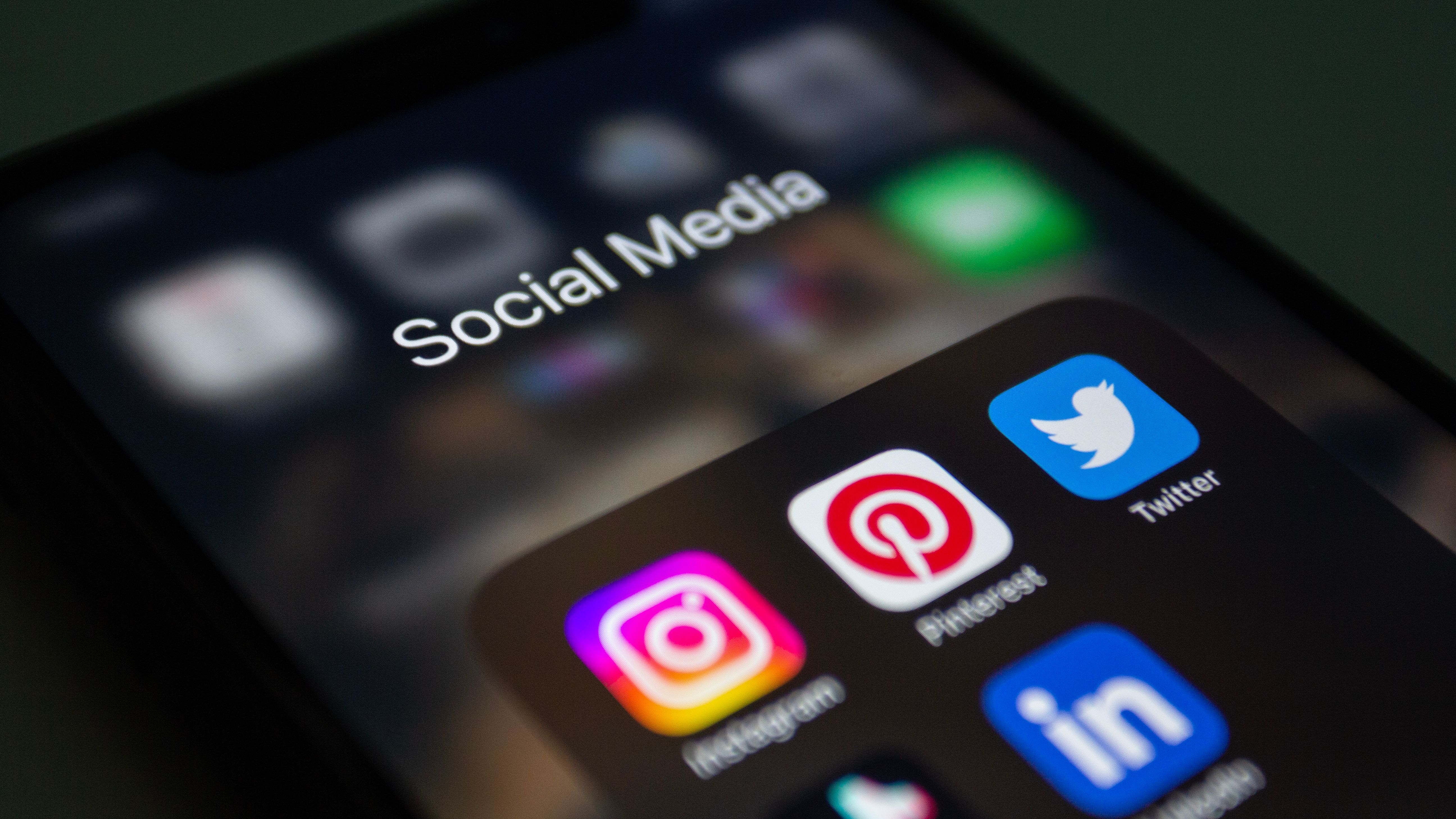
Social media calendars can make marketing far more organised, but they can also create a false sense of security. A full calendar does not automatically mean better engagement, stronger brand visibility, or more website traffic.
For businesses that rely on digital marketing, the real value comes from how well the calendar supports content quality, audience needs, SEO-driven marketing, lead generation, and conversion-focused activity. When the calendar is poorly planned, even consistent posting can miss the mark.
Why Social Media Calendar Mistakes Matter
A social media calendar is more than a posting timetable. It should support your wider online marketing strategy, including content marketing, email marketing, PPC campaigns, and website growth. If the plan is weak, your content may look active but fail to move people towards your website, enquiries, or purchases.
Engagement matters because it often signals that your content is relevant and useful. It can also support brand awareness, trust, and customer acquisition. However, social media works best when it is connected to measurable goals such as clicks, leads, or sales, rather than posting for the sake of filling slots.
Mistake 1: Planning Posts Without a Clear Goal
One of the most common mistakes is scheduling content without deciding what each post should achieve. A calendar filled with random updates may keep channels active, but it rarely supports business growth.
Some posts should build awareness, others should educate, and some should guide people towards a product page, service page, or lead capture form. For example, an ecommerce brand might use one post to showcase a product, another to answer common buying questions, and a third to link to a category page. A service business may focus on helpful tips, case-study style summaries, and links to a contact page or guide.
If you want to build a stronger content system, start with intent. For practical support on visibility and on-site performance, you can use a free website SEO audit to spot issues that affect traffic and engagement beyond social media itself.
Mistake 2: Posting the Same Content Too Often
Reusing the same message in slightly different formats may feel efficient, but audiences quickly stop noticing. A calendar should balance repetition with variety. If every post sounds identical, engagement can drop because there is no reason to stop scrolling.
Mix educational posts, product or service highlights, customer-focused advice, industry observations, and content that points back to deeper resources on your website. This helps support content marketing and improves the chance that social activity contributes to website traffic growth.
It also helps to think beyond a single channel. A blog article, email, short-form social post, and PPC landing page can all support the same topic in different ways without feeling repetitive.
Mistake 3: Ignoring Audience Behaviour and Platform Context
Different platforms attract different behaviours. A post that performs well on one channel may fall flat on another because users expect different formats, tone, or depth.
For example, a B2B audience may engage more with practical advice, industry insight, and problem-solving content, while an ecommerce audience may respond better to product demonstrations, seasonal promotions, and social proof. If your calendar does not reflect these differences, engagement can suffer even when posting is consistent.
Use marketing analytics to review which topics, formats, and posting times create meaningful responses. This is not about chasing vanity metrics. It is about understanding what leads people to click, read, enquire, or return. Tools such as Google Analytics can help connect social traffic with on-site behaviour and conversion paths.
Mistake 4: Treating the Calendar as a Standalone Asset
A social media calendar should support your broader digital marketing mix, not sit apart from it. If it is disconnected from SEO, website content, lead generation, email marketing, or paid media, the opportunity is limited.
For example, a blog post can be turned into several social updates, an email newsletter summary, and a landing page support asset. Likewise, a Google Ads campaign can be reinforced by social content that answers objections or builds familiarity before a user clicks an advert. Results from paid ads depend on targeting, budget, landing page quality, offer, competition, tracking, and optimisation, so social content should help strengthen those touchpoints rather than replace them.
This joined-up approach is especially useful for small businesses and startups that need steady, measurable growth rather than isolated bursts of activity.
Mistake 5: Not Reviewing Performance Often Enough
A calendar should be flexible. If you set it once and never review it, you may continue posting content that receives little interest while missing topics your audience actually wants.
Look at engagement trends, click-through behaviour, comments, saves, shares, and website actions after social visits. For ecommerce marketing, review which posts assist product discovery. For local business marketing, check whether content supports calls, bookings, or map visits. For consultants and agencies, monitor whether posts lead to profile visits, enquiries, and resource downloads.
Regular review helps you refine your content mix, improve conversion optimisation, and avoid wasting effort on underperforming ideas.
Mistake 6: Filling the Calendar with Promotions Only
Too much promotional content can reduce engagement because audiences usually want value before they want a sales message. If every scheduled post pushes a product, service, or offer, people may start ignoring your updates.
A healthier balance is to use your calendar for education, trust-building, and problem-solving as well as promotion. This is particularly important for brand visibility and online reputation, because useful content often creates a stronger long-term impression than repeated sales posts.
If your social content is linked to articles, guides, and service pages, the calendar can support both discovery and conversion. That is where social media becomes part of a wider website growth strategy rather than a separate task.
Practical Best Practices for Better Engagement
To improve your calendar, build around a few simple habits:
1. Set one goal per post, such as awareness, traffic, or lead generation.
2. Vary your formats so the feed does not feel repetitive.
3. Align social posts with website content, email campaigns, and seasonal promotions.
4. Review analytics regularly and adjust based on real behaviour.
5. Make sure each post has a clear next step when appropriate, such as reading, signing up, or enquiring.
If your content strategy includes link-building, supporting pages with strong social promotion can be useful, but it should complement SEO rather than replace it. Backlink Works offers resources on backlink building that may help when you are improving overall search visibility and content reach.
Conclusion
Social media calendar mistakes often come down to planning without purpose, repeating the same content, ignoring audience behaviour, and failing to connect social activity with website and business goals. A better calendar supports content marketing, SEO, lead generation, and conversion-focused activity while still leaving room for flexibility.
For businesses in digital marketing, the aim is not simply to post more often. It is to create a system that improves visibility, encourages engagement, and helps people move from social channels to your website and services. That usually takes consistent effort, testing, and refinement over time.
Frequently Asked Questions
What is the biggest mistake in a social media calendar?
The biggest mistake is posting without a clear goal. Each post should support awareness, engagement, traffic, or conversions.
How often should I review my social media calendar?
Review it regularly, ideally monthly or after major campaigns, so you can adjust based on performance and audience behaviour.
Should social media content link to my website?
Yes, when it is relevant. Linking to useful pages can support website traffic, lead generation, and conversion paths.
Can a social media calendar improve SEO?
Not directly, but it can support SEO by increasing content visibility, driving visits to useful pages, and helping promote valuable site content.
- Sponsored Ad -





