
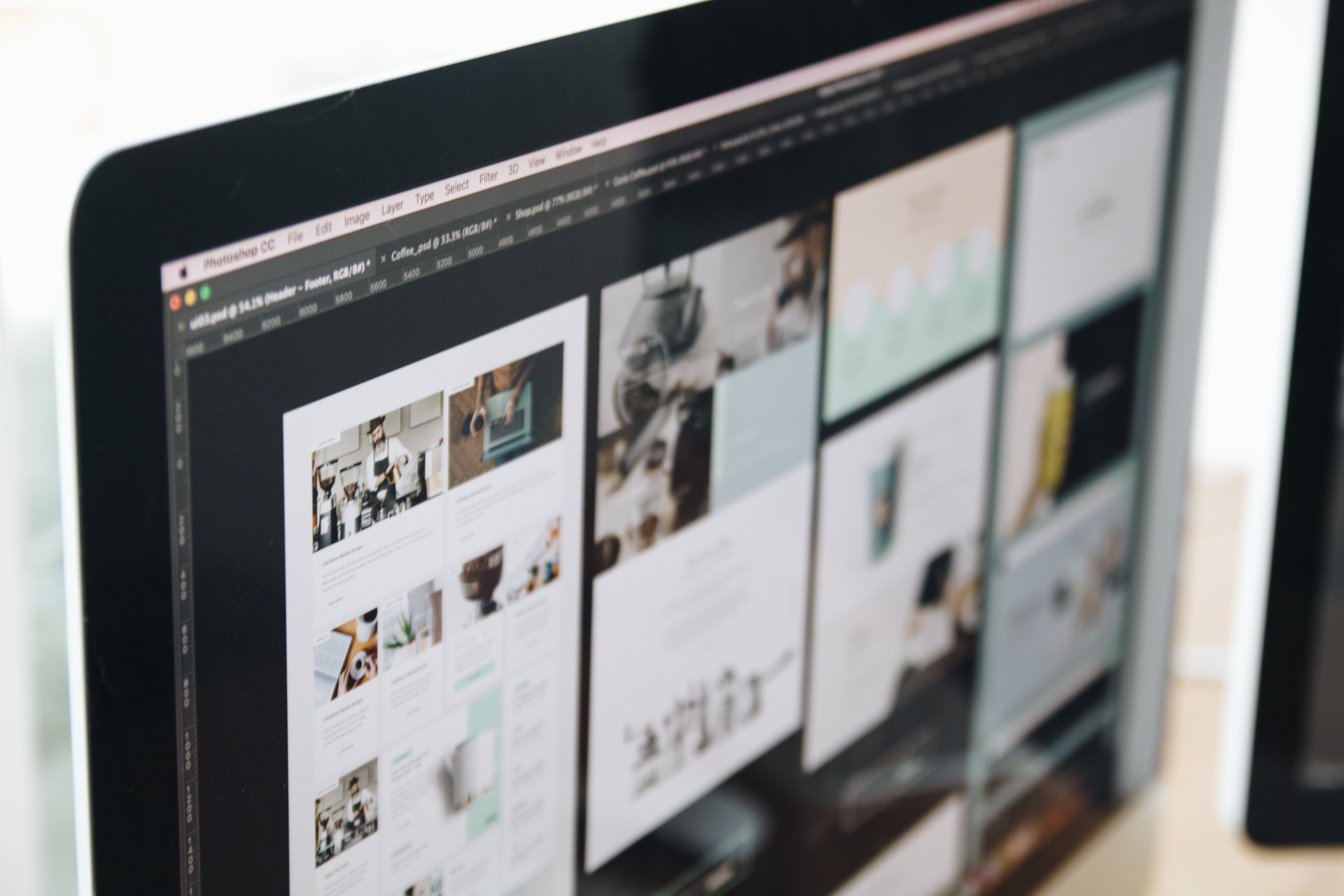
Designing a website that supports both SEO and conversions is about much more than choosing a clean template. It means creating a site that search engines can crawl easily, while visitors can find what they need quickly and take the next step without confusion.
For website owners, startups, agencies, ecommerce brands, and service businesses, the goal is to balance visibility and usability. A strong design does not only look professional; it also helps pages load well, work properly on mobile, guide attention, and make important content easy to understand.
What a conversion-focused SEO-friendly website design really means
A conversion-focused website is designed to help users complete a meaningful action, such as making an enquiry, booking a call, buying a product, signing up, or requesting a quote. An SEO-friendly design supports this by making the site easy to discover, understand, and navigate.
This starts with clear page structure, logical headings, useful internal links, and content that matches search intent. It also includes mobile-first layouts, readable text, descriptive buttons, and a layout that guides users through the page without distracting them.
In practice, good design helps both people and search engines. Visitors can scan the page and act with confidence, while search engines can better interpret the page’s purpose and relevance.
Build a website structure that supports search and user journeys
Website structure affects how users move through your site and how search engines understand relationships between pages. A clear structure usually begins with a simple top-level navigation and organised sections for core services, products, and supporting content.
For a business website, that might mean creating separate pages for each service instead of placing everything on one page. For ecommerce, it usually means well-organised category pages, detailed product pages, and helpful filters that do not block essential content from being seen or crawled.
Good structure also improves internal linking. Link from service pages to relevant case studies, FAQs, or contact pages. Link from blog articles to related service pages where it genuinely helps the reader. This can improve clarity and help users explore the site naturally. If you want a more detailed review of site health and structure, a free website SEO audit can help identify gaps in navigation, page hierarchy, and technical setup.
Design for mobile first and keep the layout responsive
Responsive web design is essential because many users will view your website on a phone or tablet. A mobile-first approach starts with the smallest screen and then adapts the layout for larger devices. This usually leads to cleaner content hierarchy and fewer unnecessary elements.
On mobile, focus on simple navigation, tap-friendly buttons, readable font sizes, and short sections of content. Avoid layouts that require zooming, horizontal scrolling, or excessive pinching. Forms should be short and easy to complete, with the fewest possible steps.
For ecommerce websites, this is especially important on product pages. Price, key benefits, images, delivery details, and call-to-action buttons should be easy to find without clutter. For service businesses, the contact path should be obvious and not hidden behind multiple taps.
Search engines also pay attention to mobile usability, so a responsive layout supports both user experience and SEO performance.
Use content layout and UI to guide conversions
UI, or user interface, is how the website presents information and controls. A strong UI makes the path to conversion feel natural, while a weak UI creates friction. The aim is not to overload the page with visual elements, but to use them with purpose.
Start with a clear value proposition near the top of the page. Users should understand what you offer, who it is for, and what to do next. Then use headings, short paragraphs, bullet points, and supportive visuals to break up the content into manageable sections.
On landing pages, keep the focus on one main action. Remove unnecessary navigation if it distracts from the goal, but only when that suits the page purpose. Use trust signals such as testimonials, certifications, guarantees that are genuine, or clear contact details, but avoid fake urgency or misleading design tactics.
For designers working in platforms such as WordPress, the visual editor should support clean sectioning and strong content hierarchy rather than clutter. A well-built WordPress site can combine flexibility with strong usability when layouts are planned carefully. For practical design inspiration and implementation guidance, the web.dev design guidance is a useful reference.
Improve speed, Core Web Vitals, and technical performance
Website speed matters because slow pages can frustrate users and make it harder for search engines to process a site efficiently. Performance is part of modern SEO and part of good conversion design, because users are more likely to stay when pages feel responsive.
Core Web Vitals focus on loading speed, interactivity, and visual stability. In simple terms, this means pages should load quickly, respond promptly, and avoid content shifting around as they appear. These factors influence perceived quality and can affect whether a user continues exploring or leaves.
Design choices can improve or damage performance. Large images, too many scripts, heavy sliders, and unnecessary animations can slow things down. Use compressed images, lean themes, sensible font loading, and only the plugins or features you really need. This is especially important for WordPress website design, where plugin sprawl can easily affect speed and stability.
Before launch, test pages on mobile and desktop using trusted tools and real devices where possible. Keep a close eye on load behaviour, broken elements, and layout shifts so the experience stays smooth.
Design pages that match intent: service pages, product pages, and landing pages
Different page types need different design priorities. A service page should build trust, explain the offer clearly, and make it easy to enquire. A product page should help users evaluate the item, compare details, and confidently add to basket. A landing page should stay tightly focused on one campaign goal.
For service pages, include clear sections for benefits, process, FAQs, proof, and contact options. For product pages, prioritise high-quality imagery, concise descriptions, specifications, stock information, and delivery or returns details. For landing pages, keep the message aligned with the traffic source, whether that is paid search, email, or organic search.
The more closely a page matches user intent, the more likely it is to support conversions. That does not mean every page should be identical. It means each page should be designed around a specific goal and a clear next step.
Keep accessibility and trust at the centre of the design
Accessible design helps more people use your website and supports a better overall experience. That includes proper colour contrast, descriptive link text, clear labels for forms, keyboard-friendly navigation, and meaningful alt text for images where appropriate.
Accessibility also supports SEO indirectly because it encourages structure and clarity. When content is easier to understand, it is often easier to navigate for both users and search engines. Good accessibility is not an optional extra; it is part of a professional, usable website.
Trust also matters. Make your contact information easy to find, keep policies clear, and present real business details where relevant. For ecommerce, include transparent delivery and returns information. For consultants or agencies, show examples of work or process explanations rather than vague claims.
Conclusion
A conversion-focused website that supports SEO is built on clarity, structure, performance, and trust. The design should help users understand the page quickly, move through the site easily, and complete an action without unnecessary friction.
Whether you are building a business website, a WordPress site, or an ecommerce store, the best approach is to combine mobile-first design, strong page layout, fast performance, and accessible content structure. When these elements work together, the website is more likely to support visibility and user action over time.
For teams planning a wider SEO and content strategy, Backlink Works also shares practical guidance on website growth and online visibility through its main website.
Frequently Asked Questions
How does website design support SEO?
Website design supports SEO through crawlable structure, mobile usability, page speed, content hierarchy, internal linking, and a better user experience.
What makes a website conversion-focused?
A conversion-focused website has clear messaging, simple navigation, strong calls to action, useful trust signals, and pages designed around user intent.
Should SEO and conversion goals be designed together?
Yes. When SEO and conversion design work together, the site can attract relevant visitors and make it easier for them to take the next step.
What is the most important design priority for mobile users?
The most important priorities are readability, fast loading, easy navigation, and tap-friendly actions that work well on small screens.
- Sponsored Ad -





