
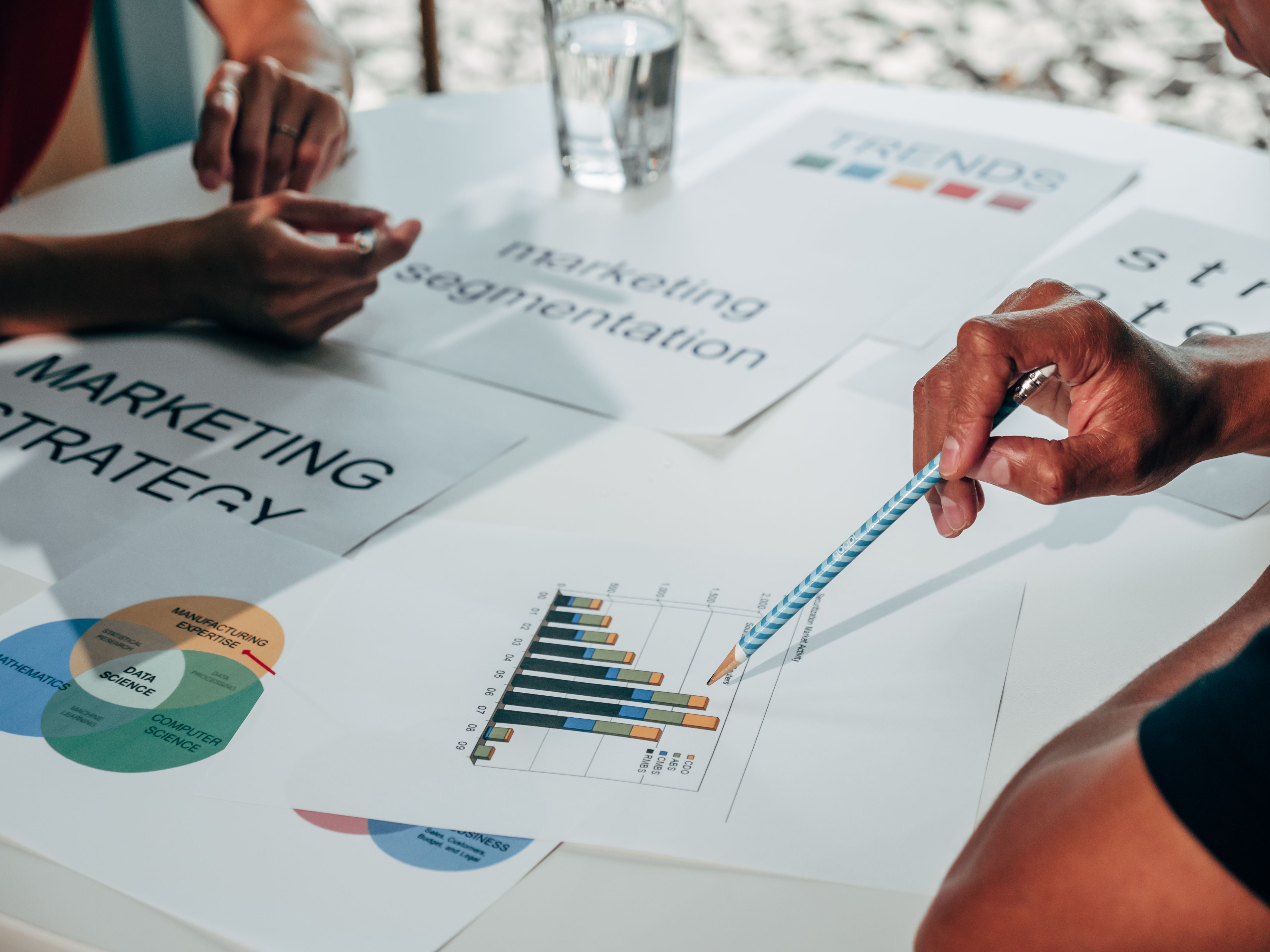
Small businesses often face the same challenge: lots of marketing activity, but no clear structure. A digital marketing framework brings order to that activity by showing what to do, why it matters, and how each channel supports business growth.
For Backlink Works Insights, this means focusing on practical, measurable steps that improve online visibility, website traffic, lead generation, and conversions without relying on guesswork. A good framework does not replace creativity; it helps you use it more effectively.
What a Digital Marketing Framework Actually Means
A digital marketing framework is a simple structure for planning and managing online marketing. It connects your website, content, search visibility, paid advertising, social media, email, and analytics into one system.
For a small business, this matters because marketing can become fragmented very quickly. You might publish blog posts, run Google Ads, send emails, and post on social media, but if those activities are not aligned, the results are often inconsistent. A framework helps you decide who you want to reach, what message you want to share, which channels are worth using, and how you will measure success.
Think of it as the difference between “doing marketing” and “building a marketing system”.
Start With Clear Business Goals and Audience Insight
Every effective online marketing strategy begins with a clear business goal. For one business, that may be more enquiries. For another, it may be more ecommerce sales, local visits, newsletter sign-ups, or qualified demo requests.
Once the goal is clear, define your audience. Small businesses often serve more than one type of customer, so it helps to separate them by intent, location, budget, industry, or buying stage. A local service business, for example, may need different messages from an online store or a consultant.
This step also shapes your brand visibility. If you know what your audience searches for, what problems they need solved, and what objections they have, you can create content and landing pages that feel relevant rather than generic.
Build Visibility Through SEO and Content Marketing
Organic growth still depends heavily on useful content and strong SEO. That includes service pages, product pages, blog articles, FAQs, comparison pages, and location pages where relevant. The goal is not just to publish content, but to create pages that answer real search intent.
SEO-driven marketing supports long-term website traffic growth, but it usually takes consistent effort and time. Focus on technical basics, page structure, internal linking, clear headings, and content that reflects real expertise. Search engines tend to reward pages that are easy to understand and useful for visitors.
Content marketing works best when it supports the whole buyer journey. A blog post may attract awareness, a guide may build trust, and a landing page may support lead generation. If you want a practical starting point, a free website SEO audit can help you spot common technical and content issues before you invest more time in growth.
Use Paid Ads Carefully to Support Faster Testing
Google Ads and PPC can be useful when you need quicker visibility, but they work best as part of a wider framework. Paid campaigns are not a shortcut to success; results depend on targeting, budget, competition, offer quality, landing page experience, and ongoing optimisation.
For small businesses, paid advertising is often most effective when used to test messages, capture high-intent searches, or promote time-sensitive offers. A local plumber, for example, may use search ads for emergency callouts. An ecommerce brand might use PPC for best-selling products or remarketing. A B2B service business may use ads to support webinar sign-ups or consultation requests.
If you are running paid campaigns, make sure the landing page matches the ad promise. Strong conversion optimisation often matters more than simply spending more.
Turn Traffic Into Leads With Better Website and Email Journeys
Getting visitors to your site is only part of the job. The next step is helping them take action. That may mean filling out a form, booking a call, making a purchase, downloading a guide, or subscribing to email updates.
Lead generation improves when your website has a clear value proposition, visible calls to action, trust signals, and a simple path to conversion. Avoid clutter and remove friction wherever possible. Short forms, clear pricing information, fast-loading pages, and persuasive copy can all support better results.
Email marketing is also an important part of the framework. It helps you stay in touch with people who are not ready to buy immediately. Welcome sequences, product reminders, service updates, and educational newsletters can all support customer acquisition and repeat business over time.
Use Social Media, Reputation, and Analytics as Support Channels
Social media marketing can build awareness and drive traffic, but it should not sit in isolation. The best use of social channels is usually to support your website, content, and offers. Share useful posts, promote guides, highlight case studies, and direct people to pages that are built to convert.
Online reputation is equally important. Reviews, testimonials, and consistent customer communication all shape trust. Small businesses with strong reputations often convert better because visitors feel reassured before they enquire or buy.
Marketing analytics ties everything together. Track which channels bring traffic, which pages convert, where users drop off, and which messages generate the best response. Tools such as Google Analytics can help you understand user behaviour, but the key is to review the data regularly and turn it into action.
Practical Framework Checklist for Small Businesses
Use this as a simple working structure:
Define one or two business goals.
Identify your main audience segments.
Choose the channels that fit your budget and capacity.
Create content that answers real search intent.
Optimise landing pages for clarity and conversion.
Track performance with analytics and search tools.
Review results monthly and adjust your plan.
For businesses wanting to strengthen authority and search presence, a thoughtful backlink strategy can also support visibility over time. Backlink Works covers this area in a practical way, but any link-building activity should prioritise relevance, quality, and compliance rather than shortcuts. See the ultimate guide to backlink building for a broader explanation of how this fits into organic growth.
Common Mistakes to Avoid
One of the biggest mistakes small businesses make is chasing every channel at once. A framework works best when it prioritises the channels most likely to support your goals.
Another common issue is measuring vanity metrics only. Likes and impressions can be useful, but they do not always show whether your marketing is creating leads, sales, or useful traffic.
It is also easy to underinvest in website quality. If your pages are slow, unclear, or difficult to navigate, even good marketing can underperform. Strong digital marketing depends on the connection between promotion and user experience.
Conclusion
A digital marketing framework helps small businesses move from scattered activity to focused growth. It brings together SEO, content marketing, paid ads, social media, email, and analytics so each part supports the others.
The best results usually come from consistency rather than complexity. Start with clear goals, build useful content, improve your website experience, and measure what matters. Over time, that approach can improve brand visibility, customer trust, website traffic, and lead quality in a more sustainable way.
Frequently Asked Questions
What is the main purpose of a digital marketing framework?
It gives your marketing a clear structure so your channels, content, and website all work towards the same business goal.
Do small businesses need both SEO and paid ads?
Not always, but many benefit from both. SEO supports long-term visibility, while paid ads can help with faster testing or targeted campaigns.
How long does it take to see results from organic marketing?
It varies, but SEO and content marketing usually take consistent effort over time rather than producing instant results.
What should I track first?
Start with traffic, enquiries, conversions, and the pages or campaigns that contribute most to those outcomes.
- Sponsored Ad -





