
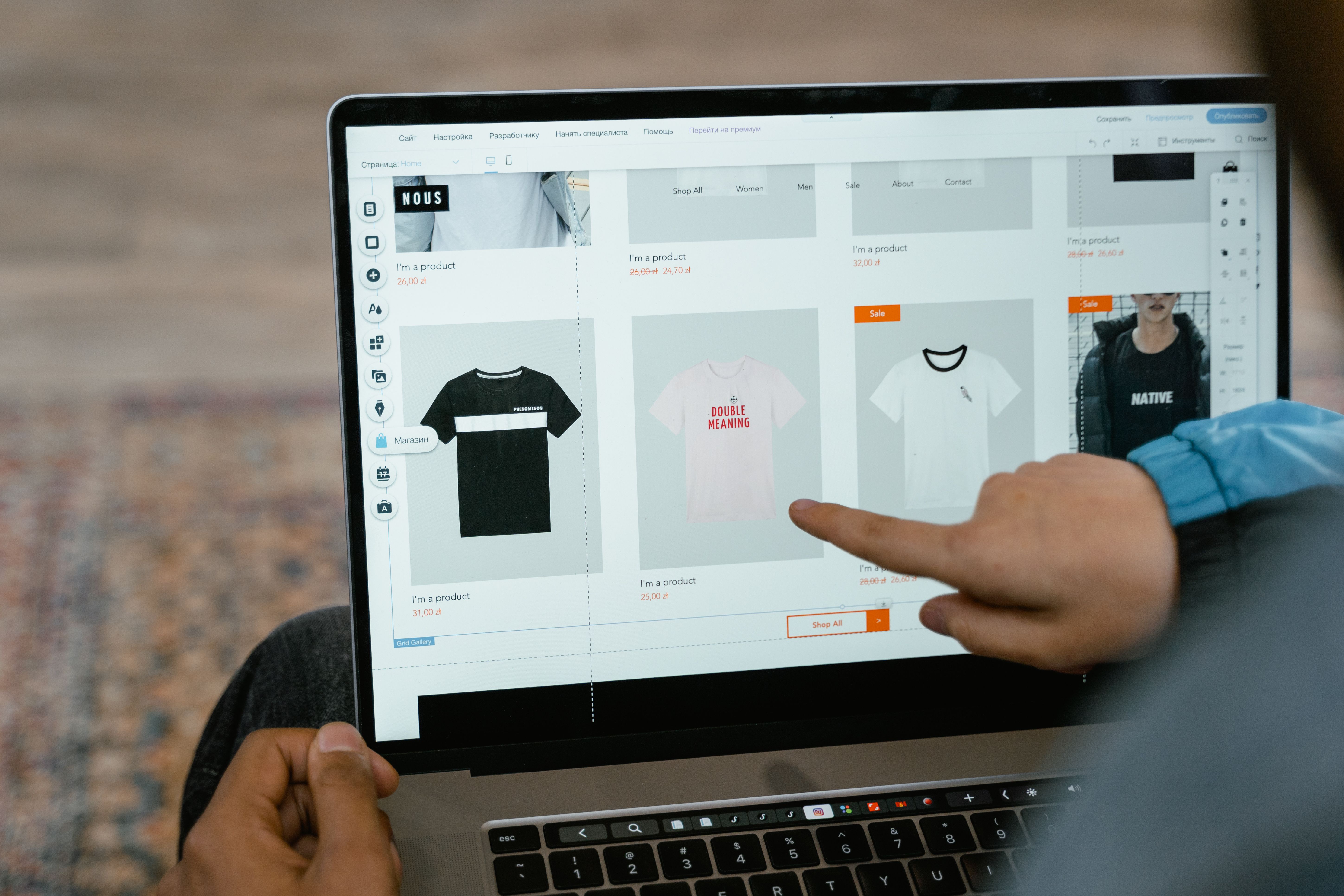
Ecommerce internal linking is one of the most practical ways to improve how search engines and shoppers move through your online store. When product pages and category pages are connected in a logical structure, it becomes easier for users to discover relevant items and easier for search engines to understand which pages matter most.
For ecommerce SEO, internal links are not just navigation. They support crawlability, product visibility, category relevance, and user experience. Done well, they can help strengthen your site architecture, guide authority through the store, and support organic traffic growth over time.
Why Internal Linking Matters in Ecommerce SEO
Internal linking helps search engines find, crawl, and interpret your pages. In an ecommerce site, this is especially important because product catalogues can grow quickly and create many layers of content. If important category pages are buried, or if product pages are isolated, they may be harder to crawl and less likely to perform well in search.
For shoppers, good internal links reduce friction. They help people move from a category page to a product page, from one related product to another, and from a product back to the right category or buying guide. That can support conversions, but results depend on traffic quality, pricing, trust signals, page speed, reviews, and the overall checkout experience.
If you want to review broader site health before improving links, a free website SEO audit can help identify technical issues that may affect crawling, indexing, and page performance.
Build a Clear Hierarchy for Category and Product Pages
A strong internal linking strategy starts with site structure. In most ecommerce stores, category pages should sit above product pages, with subcategories used where product ranges are broad enough to need them. This hierarchy helps search engines understand which pages are the main commercial targets.
Category pages should link to the most relevant product pages, and product pages should link back to their parent category and any logical subcategory. This creates a clear path for both users and bots. It also helps avoid orphan pages, which are pages with no internal links pointing to them.
Keep the structure simple where possible. A flat, logical structure usually works better than a deep one with too many clicks between the homepage and key products. For Shopify SEO and WooCommerce SEO, this often means checking menus, collections, breadcrumbs, and related-content modules so they all support the same page hierarchy.
Use Contextual Links to Support Product Discovery
Contextual links are links placed within helpful copy, such as category descriptions, product introductions, buying guides, and blog content. These links often carry more value than generic footer links because they are placed in relevant context.
For example, a category page for running shoes could include a short guide explaining different cushioning types, then link to related subcategories or products. A product page for a winter coat could link to matching gloves or a suitable category for accessories. This improves discovery without forcing links into awkward places.
Contextual internal links are also useful for ecommerce content strategy. Articles that answer buyer questions can guide readers towards category pages or high-intent products. This can help convert informational traffic into product interest, as long as the links are genuinely useful and not overdone.
Optimise Anchor Text Without Keyword Stuffing
Anchor text is the clickable text in a link. In ecommerce SEO, it should describe the destination clearly. Instead of vague phrases like “click here”, use natural language such as “women’s waterproof jackets” or “view all summer dresses”.
That said, avoid forcing exact-match phrases into every link. Repetition can look unnatural and reduce readability. A varied approach is better: sometimes use the product name, sometimes the category name, and sometimes a descriptive phrase that fits the sentence.
This matters for both product page SEO and category page SEO. Clear anchor text helps users predict what they will find, and it gives search engines more context about the linked page’s relevance.
Manage Faceted Navigation and Duplicate Product Content Carefully
Faceted navigation can be useful for shoppers, but it can create SEO problems if filters generate many crawlable URLs. Common issues include duplicated category pages, thin parameter-based pages, and crawl waste. If search engines spend too much time on low-value filter combinations, important pages may receive less attention.
Work with your platform and technical SEO setup to control which filtered pages should be indexable. In many cases, only a small number of filter combinations deserve their own landing pages. The rest should be handled with indexing controls, canonical tags, or careful crawl management.
Duplicate product content is another common issue. If similar products exist in multiple colours or sizes, make sure product descriptions are unique where needed and that internal links point to the main version you want to rank. This is especially important for stores with large catalogues and variant-rich product pages.
For technical guidance on how links should be crawlable, Google’s crawlable links documentation is a useful reference.
Support Mobile Ecommerce SEO and Core Web Vitals
Most ecommerce browsing now happens on mobile devices, so internal links need to work well on smaller screens. Links should be easy to tap, clearly visible, and not crowded too closely together. Avoid placing important navigation only in hover menus or elements that are difficult to use on touch devices.
Internal linking also connects to Core Web Vitals and site speed. If your pages are overloaded with scripts, oversized images, or too many heavy elements, users may struggle to interact with links and move through the store smoothly. That can harm user experience and weaken the impact of your content.
Use tools such as PageSpeed Insights to check whether page performance issues are affecting mobile usability. Faster, cleaner pages usually make it easier for visitors to browse categories, view products, and complete purchases.
Best Practices for Ecommerce Internal Linking
Here is a practical checklist you can use across product and category SEO:
- Link from category pages to the most important product pages.
- Link from product pages back to the parent category and relevant subcategories.
- Use descriptive, natural anchor text.
- Add internal links in helpful copy, not only in menus.
- Review faceted navigation to limit crawl bloat.
- Keep product descriptions unique and useful.
- Use breadcrumbs where they improve navigation and structure.
- Check for orphan pages and weakly linked products.
- Update links when products go out of stock or are replaced.
Out-of-stock product SEO deserves attention too. If a product is temporarily unavailable, it can still retain useful internal links, related alternatives, and category placement. If a product is permanently retired, redirect it to the closest relevant alternative or category page where appropriate, rather than leaving users at a dead end.
For broader strategy, Backlink Works publishes educational resources for site owners looking to improve visibility without relying on shortcuts. Internal linking is one part of a wider ecommerce SEO approach that also includes product content, schema markup, analytics, and technical optimisation.
Conclusion
Ecommerce internal linking works best when it supports both search engines and shoppers. A clear hierarchy, useful contextual links, sensible anchor text, and careful handling of faceted navigation can all help improve product discovery and category relevance.
There is no single formula that guarantees better rankings or more sales. Results depend on site quality, competition, technical setup, content depth, product demand, and consistent optimisation. But for most online stores, internal linking is one of the most actionable ways to strengthen ecommerce SEO and create a better shopping experience.
Frequently Asked Questions
How many internal links should a product page have?
There is no fixed number. Focus on links that genuinely help users, such as related products, the parent category, and useful buying guides.
Should category pages link to all products?
Not always. Category pages should prioritise the most relevant and important products, while still keeping navigation clear and manageable.
Do internal links help with product page rankings?
They can help search engines understand importance and context, but rankings also depend on content quality, competition, technical SEO, and authority.
What is the biggest internal linking mistake in ecommerce?
One common mistake is creating too many low-value links through filters, footers, or duplicated navigation, while leaving key pages underlinked.
- Sponsored Ad -





