
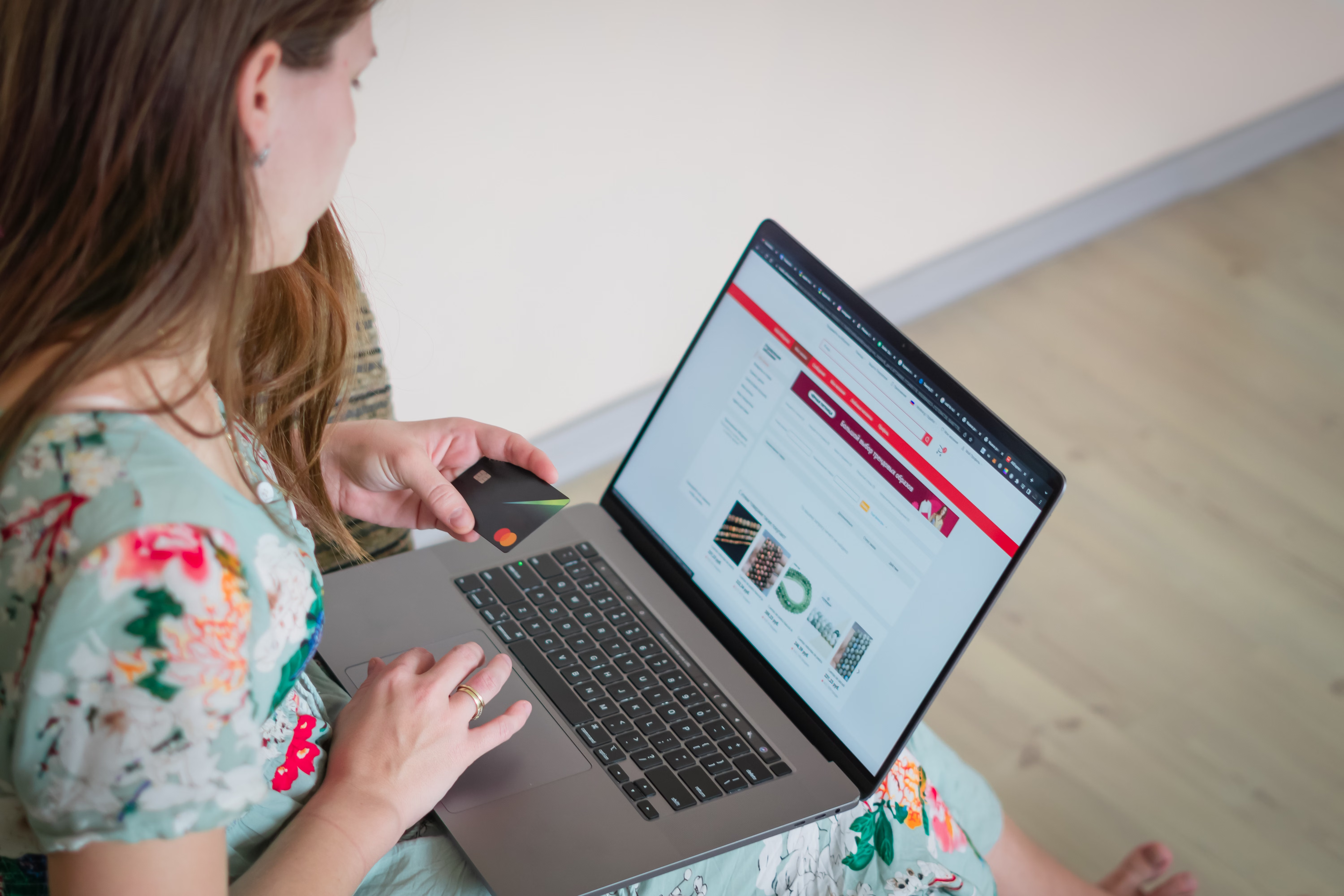
Ecommerce landing page optimisation is about making the pages that receive organic traffic easier to find, easier to understand, and easier to trust. For online stores, that usually means category pages, product pages, curated collection pages, and other high-intent entry points that can rank in search and guide visitors towards a purchase.
Done well, it supports organic traffic growth without relying on gimmicks. The outcome depends on factors such as site quality, search demand, competition, technical setup, product content, user experience, and how consistently the store is improved over time.
What ecommerce landing page optimisation really means
In ecommerce, a landing page is not always a homepage or a paid campaign page. It is often the first page a shopper sees from Google. That may be a category page for “women’s trainers”, a product page for a specific item, or a filtered collection that matches clear buying intent.
Optimisation means aligning that page with what searchers need. Search engines should understand the page topic, while shoppers should quickly see the products, value proposition, and next step. This is where ecommerce SEO connects with content clarity, page structure, and conversion design.
Start with keyword research and page intent
Good ecommerce keyword research helps you decide whether a page should target a broad category term, a product-specific phrase, or a comparison-style query. Not every page should chase the same keywords. A category page might target “organic cotton bed sheets”, while a product page targets a specific model name plus relevant modifiers.
Use search intent to decide the page type. Informational queries may need supporting content, while transactional queries usually need a clear product or category layout. Tools such as Google’s SEO starter guide can help you keep the basics aligned with search best practices.
Once you know intent, build a simple mapping process: one primary keyword theme per page, related phrases in supporting copy, and a clear reason for that page to exist. This helps avoid cannibalisation and thin content.
Optimise product and category pages for search and shoppers
Category page SEO is often overlooked, yet category pages can be strong organic landing pages because they match broad commercial search terms. Add a concise intro that explains what the category includes, who it is for, and what makes the range useful. Keep it helpful, not stuffed with keywords.
Product page SEO should focus on clarity and uniqueness. Write product descriptions that explain materials, features, use cases, sizing, compatibility, care instructions, and common questions. Avoid copied manufacturer text where possible, especially if many retailers sell the same item.
Useful product pages usually include:
- A descriptive title that matches search language
- Clear benefits and features
- Original product descriptions
- High-quality images with descriptive alt text
- Reviews, delivery information, and returns details
For stores on platforms such as Shopify or WooCommerce, this often means improving template fields, not just editing one-off pages. If you need a wider SEO review before changes, a free website SEO audit can help identify technical and content gaps worth prioritising.
Get the technical foundations right
Ecommerce technical SEO affects whether search engines can crawl, index, and trust your pages. Common issues include faceted navigation creating duplicate URLs, poor canonical handling, broken internal links, and parameter-heavy filters that waste crawl resources.
Store owners should review:
- Canonical tags on products and variants
- Indexability of important category and product pages
- XML sitemaps that reflect current inventory
- Redirects for discontinued products
- Robots rules for low-value filter combinations
Mobile ecommerce SEO matters too. Most shoppers browse on phones, so layouts must be easy to tap, scan, and filter. Core Web Vitals also play a role in user experience, especially when large images, scripts, or apps slow down a storefront. You can test key pages with PageSpeed Insights to spot speed and usability issues.
On Shopify and WooCommerce sites, technical work is often tied to themes, apps, plugins, and theme settings. That means performance and crawlability should be checked after every major change.
Use internal linking to guide authority and discovery
Ecommerce internal linking helps both users and search engines move through the store. Strong category pages should link to important subcategories, best-selling products, related guides, and relevant filters. Product pages can link back to their parent category, related items, and buying guides that support decision-making.
This matters because good internal linking spreads relevance and helps search engines understand site hierarchy. It also makes it easier for shoppers to move from broad browsing to a focused purchase path.
Anchor text should be natural and descriptive. For example, “winter running jackets” is better than “click here”. Keep links useful rather than excessive, and avoid creating repetitive sitewide blocks that add clutter without helping navigation.
For larger stores, internal link structure should be planned alongside category architecture, not added as an afterthought.
Handle schema markup, out-of-stock pages, and duplicate content carefully
Ecommerce schema markup helps search engines interpret product information such as price, availability, rating, and reviews. Product schema is especially useful when it reflects the page accurately and stays up to date. Do not add misleading review or offer data. Structured data should support real page content, not replace it.
Out-of-stock product SEO deserves attention too. If a product is temporarily unavailable, keep the page live when it still has search value, explain availability clearly, and suggest alternatives. If the product is permanently retired, use the most appropriate redirect or replacement page rather than leaving a dead end.
Duplicate product content is another common problem. Variants, colour changes, and supplier descriptions can create near-identical pages that compete with each other. Consolidate where possible, write distinct copy for important products, and use canonical signals carefully when duplication is unavoidable.
For deeper link and authority planning around your store, the ultimate guide to backlink building can provide context on how broader website authority supports organic visibility.
Improve ecommerce conversions without hurting SEO
Organic traffic is only useful if the page helps visitors take the next step. Ecommerce conversions depend on traffic quality, pricing, product fit, trust signals, page speed, reviews, and checkout experience. That is why SEO and UX should be aligned.
Strong landing pages tend to show key information early: product benefits, prices, shipping details, stock status, and obvious calls to action. They also reduce friction with clear filters, concise copy, strong imagery, and helpful support content.
A practical checklist for landing page optimisation:
- Make the page topic obvious within seconds
- Use unique copy for key categories and products
- Compress images without harming quality
- Keep important pages easy to reach within a few clicks
- Test mobile layouts regularly
- Monitor Search Console and analytics for indexing and engagement issues
If you want to review performance signals and search visibility together, Backlink Works can be a useful reference point alongside your own analytics, but results will always depend on the store itself and the market it competes in.
Conclusion
Ecommerce landing page optimisation is not about adding more words for the sake of it. It is about making product and category pages more relevant, more discoverable, and more helpful to shoppers and search engines.
When keyword research, content quality, internal linking, technical SEO, schema markup, and user experience work together, online stores are better positioned to attract qualified organic traffic and turn that traffic into meaningful engagement. The strongest results usually come from steady improvements, careful testing, and a clear understanding of what each page should do.
Frequently Asked Questions
What is an ecommerce landing page?
It is any page that receives visitors from search or other channels and is meant to guide them towards browsing or buying, often a category or product page.
Should category pages or product pages be the main SEO focus?
Both matter. Category pages often target broader commercial terms, while product pages can capture more specific, high-intent searches.
How does faceted navigation affect SEO?
Faceted navigation can create many similar URLs. If unmanaged, it may cause duplicate content, crawl inefficiency, and weaker indexing of important pages.
Does improving page speed help ecommerce SEO?
Yes, faster pages usually improve usability and can support better search performance, but results also depend on content quality, relevance, and technical setup.
- Sponsored Ad -





