
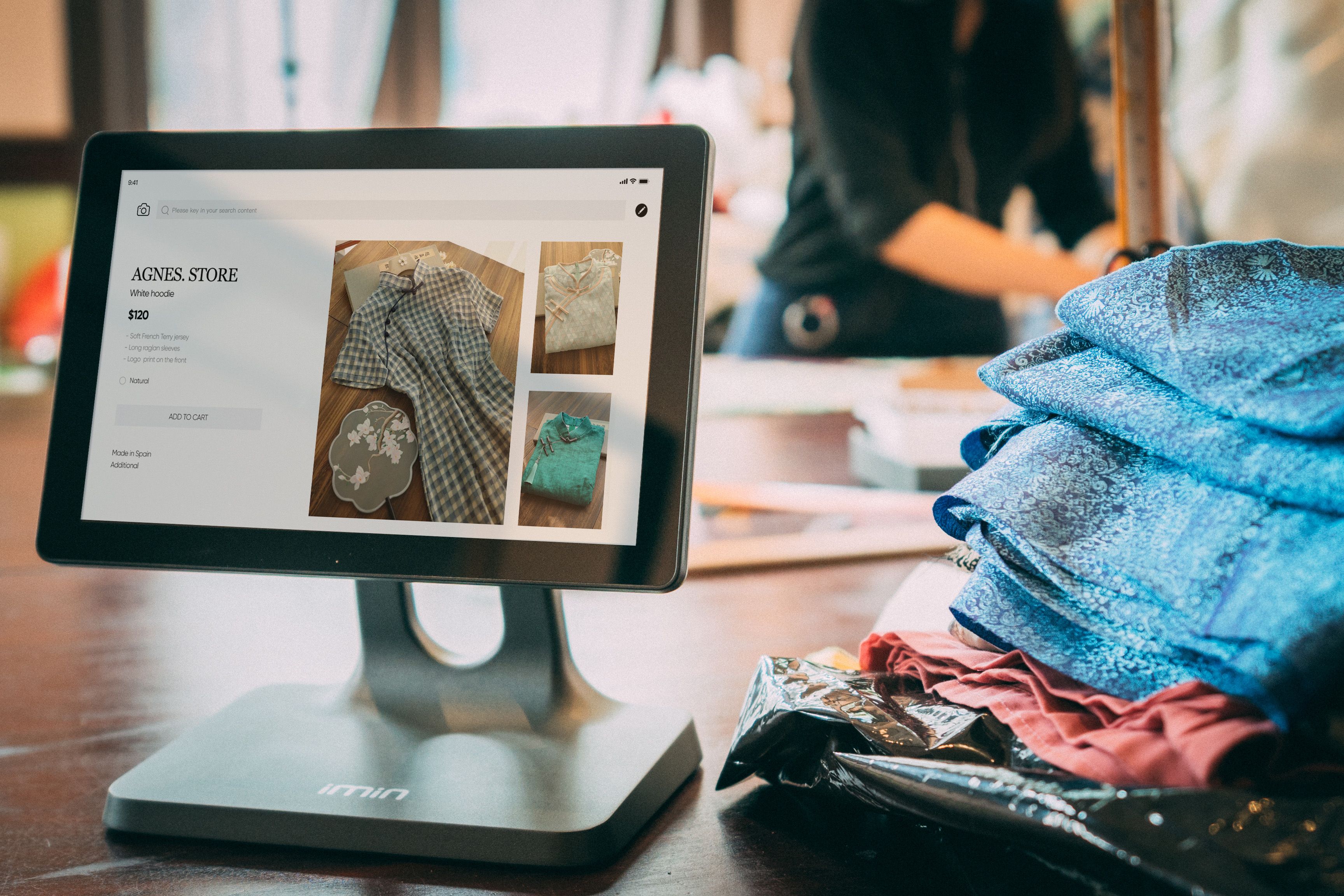
If you run an ecommerce store, product page optimisation is one of the most practical ways to improve organic visibility. It helps search engines understand what you sell, and it helps shoppers decide whether a product is right for them.
This buying guide is a checklist-led approach to ecommerce SEO, covering product pages, category pages, technical setup, content quality, and user experience. Results will always depend on your site quality, competition, demand, and how consistently you optimise over time.
What Product Page Optimisation Means in Ecommerce SEO
Product page optimisation is the process of improving the elements that help a product page rank, load well, and convert visitors. That includes the page title, heading, product description, images, internal links, structured data, and mobile usability.
For online stores, product pages are not just sales pages. They are also indexable landing pages that can attract long-tail searches such as size, material, use case, colour, brand, or model number. When done well, they support both organic traffic growth and stronger user confidence.
Keyword Research and Search Intent for Products
Good ecommerce SEO starts with keyword research that reflects how real shoppers search. A product keyword is often more specific than a broad category term. For example, someone searching for “women’s waterproof hiking boots” is likely closer to a buying decision than someone searching “hiking footwear”.
Build a keyword map that separates category terms from product terms. Use category pages for broader intent and product pages for specific intent. This avoids overlap and helps search engines understand which page should rank for which query.
If you need a starting point for research, tools such as keyword research tools can help identify variations, but the most important step is matching wording to real product demand and page intent.
Product Page Checklist: On-Page Elements That Matter
Use this checklist for each product page:
- Write a unique title tag that includes the main product term naturally.
- Use one clear H2 or H3 heading for the product name and model.
- Write a helpful description that explains features, benefits, materials, dimensions, and use cases.
- Add original images with descriptive file names and alt text.
- Include pricing, stock status, delivery details, and returns information where relevant.
- Show reviews or ratings only when they are genuine and accurately collected.
- Link to related products, compatible accessories, or relevant category pages.
Strong product descriptions should answer questions a buyer may have before contacting support. Avoid copying manufacturer text where possible, because duplicate product content can limit the page’s ability to stand out in search.
Structured Data, Mobile UX, and Page Speed
Schema markup helps search engines interpret product details such as price, availability, ratings, and review information. For ecommerce, product structured data is often a valuable part of technical SEO because it improves clarity, not because it guarantees rich results.
Google’s SEO Starter Guide is a useful reference if you want to check the basics of crawlability, mobile friendliness, and helpful content.
Mobile ecommerce SEO matters because many shoppers browse and buy on smaller screens. Make sure buttons are easy to tap, product images load quickly, descriptions are readable, and the checkout path is simple. Core Web Vitals and page speed also influence user experience, so compress images, reduce unnecessary scripts, and test product pages regularly.
Category Pages, Internal Linking, and Site Structure
Category page SEO supports product discovery by giving search engines a clear path into your store. A well-optimised category page should include a useful introduction, crawlable links to products, and filters that help shoppers narrow their choices without creating indexing problems.
Internal linking is especially important in ecommerce. Link from category pages to high-priority products, from product pages to related categories, and between complementary items where it helps the user. This distributes authority across the site and improves navigation.
One practical way to review technical structure is with a crawl audit. If your store is large, a tool such as Screaming Frog SEO Spider can help identify broken links, thin pages, duplicate titles, and indexation issues.
Technical SEO Issues to Check Before You Buy or Build
Ecommerce technical SEO can make the difference between a clean, indexable store and one that struggles with duplication or crawl waste. Before you focus on content, check these areas:
- Faceted navigation: ensure filters do not create countless low-value URL variants.
- Duplicate product content: use canonical tags where appropriate and write unique copy for important pages.
- Out-of-stock product SEO: keep valuable pages live when products are temporarily unavailable, and suggest alternatives.
- Indexability: make sure key category and product pages are not blocked by robots rules or accidental noindex tags.
- Platform setup: Shopify SEO and WooCommerce SEO both depend on theme quality, app/plugin choices, and site architecture.
For Shopify or WooCommerce stores, technical SEO is usually less about the platform itself and more about how the store is configured. Theme code, image handling, navigation depth, and plugin bloat can all affect performance and crawl efficiency.
Conversions, Trust, and Testing
Product page SEO and ecommerce conversions are closely linked, but they are not the same thing. Rankings may bring traffic, yet sales depend on pricing, product clarity, trust signals, delivery options, reviews, and checkout experience.
Make sure the page tells shoppers what the product is, why it matters, and what happens after purchase. Clear specifications, honest imagery, stock status, and transparent shipping information all reduce friction. If you want to improve performance over time, test one change at a time, such as the CTA wording, image order, or delivery messaging.
Backlink Works publishes SEO education that can help store owners understand broader site growth, including a free website SEO audit and practical guidance on the backlink building process for sites that want to improve authority in a sustainable way.
Conclusion
A strong ecommerce SEO buying guide is really a checklist for building better product pages, better category pages, and a better shopping experience. Focus on search intent, unique product content, technical cleanliness, mobile usability, and internal linking, then review performance regularly.
There is no instant route to lasting organic growth. The best results usually come from consistent optimisation, good merchandising, and a site that makes it easy for search engines and shoppers to understand your products.
Frequently Asked Questions
Should I optimise category pages or product pages first?
Start with your most important category pages, then improve high-value product pages. Both matter, but categories often target broader search demand.
How long should a product description be?
There is no fixed length. It should be long enough to answer key buyer questions clearly without filler or repetition.
What is the biggest technical SEO issue in ecommerce?
Common issues include duplicate content, faceted navigation, weak internal linking, and slow page speed. The most important issue depends on your store setup.
Do reviews help product page SEO?
Genuine reviews can improve trust and add useful content, but they should be collected honestly and displayed accurately.
- Sponsored Ad -





