
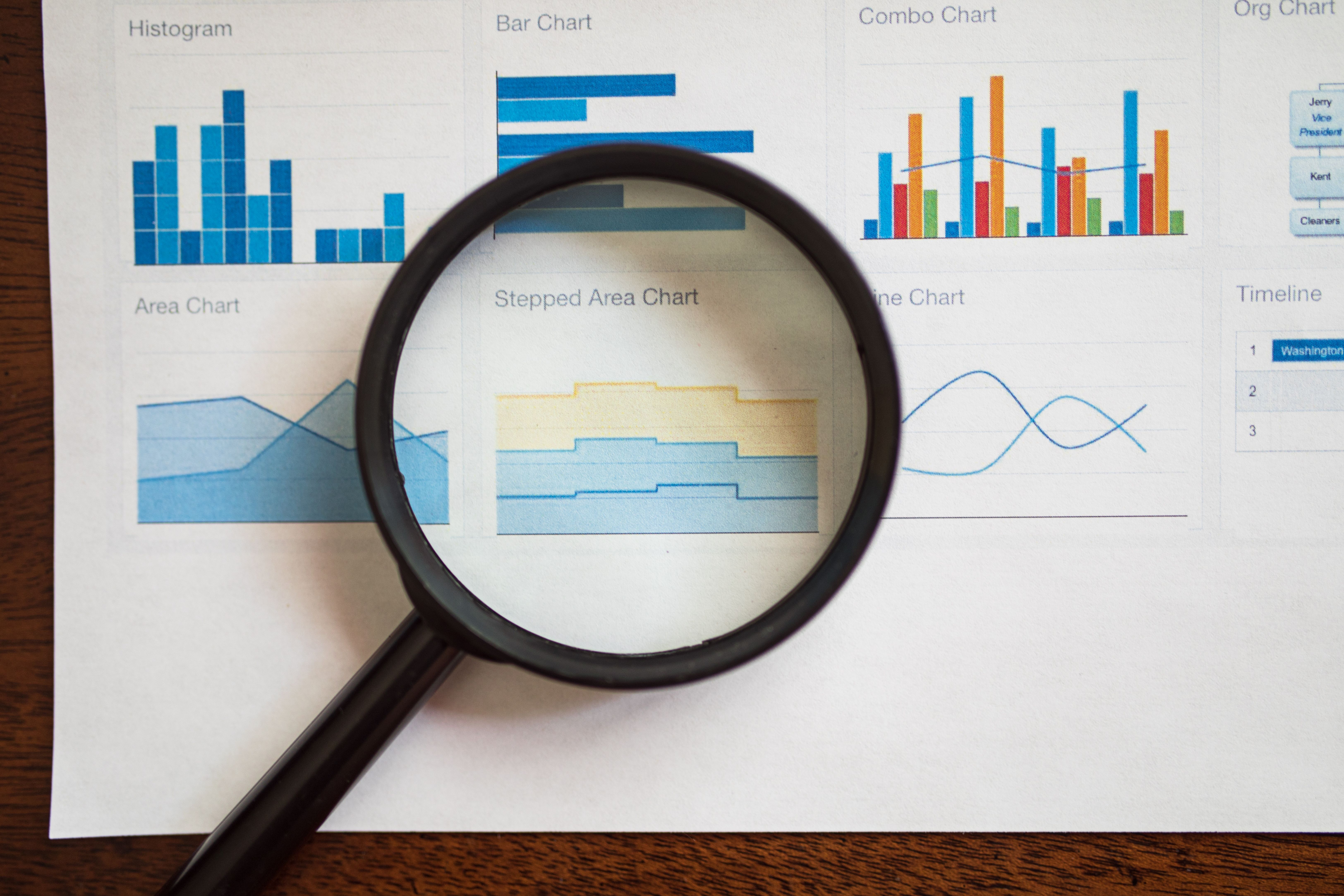
Free SERP feature tools can help you understand how your pages appear in search results and where content could be improved for stronger visibility. They are especially useful when you want to track snippets, rich results, local packs, featured snippets, image results, video results, and other search features without immediately committing to a large software stack.
For website owners, bloggers, agencies, and ecommerce teams, the value is not just in checking rankings. These tools can support content optimisation, reporting, technical SEO reviews, and prioritisation. Used well, they help you make better decisions about titles, structured data, page speed, internal linking, and search intent.
What SERP feature tools do and why they matter
SERP feature tools help you see how a page is represented on search engine results pages. That matters because search visibility is not limited to blue links. A page may appear with a featured snippet, a review-rich result, a local listing, or an image pack, and each format can affect how users engage with your content.
For content optimisation, this means you can review whether a page is answering the right question, whether the title and meta description are clear, and whether structured data may help search engines better understand the page. For reporting, SERP feature data gives you a more practical picture than rankings alone.
Free tools are often enough for basic checks, trend monitoring, and small-site reporting. However, they may have limits on query volume, historical data, or competitor visibility. That is why many teams combine free tools with broader platforms such as Google Search Console when they need confirmed performance data from Google.
Core free tools for content optimisation
Google Search Console is one of the most important free tools for understanding search performance. It shows queries, pages, impressions, clicks, index coverage, and enhancement reports. If a page is getting impressions but few clicks, you may need to refine the title, description, or page intent. If pages are not indexed properly, you may need to look at technical issues or internal linking.
Google Analytics 4 helps you understand what happens after the click. While it is not a SERP feature tool in the strictest sense, it supports reporting by showing engagement, conversions, and behaviour. That makes it useful for identifying which search landing pages are bringing engaged visitors and which may need better content alignment.
For visual content checks, Google’s PageSpeed Insights can highlight performance issues that may affect usability and Core Web Vitals. You can also use it alongside other speed tools to review loading experience across mobile and desktop. Search performance is not only about content quality; it is also about how smoothly a page loads and behaves.
Using schema and rich result tools wisely
Schema markup tools are useful when you want to test or generate structured data for articles, products, FAQs, local business pages, recipes, and other eligible content types. Structured data does not guarantee rich results, but it can help search engines interpret page elements more clearly.
When checking rich result eligibility, use Google’s testing tools to validate markup before publishing. This is particularly important for ecommerce SEO, local SEO, and content sites that want to improve how key pages are displayed in search. A clean implementation can support richer presentation, but the page still needs useful content and a strong user experience.
As a practical example, a product page might benefit from product schema, review data where genuinely available, and clearer product naming. A local service page may need local business markup, accurate contact details, and well-written location content. The tool supports the process, but it is not a substitute for accurate page information.
Reporting and tracking across pages, queries, and competitors
Reporting tools help turn raw SEO data into something usable for stakeholders. Looker Studio is often used for dashboards because it can combine data from Search Console, Analytics, and other sources into a clearer report. That makes it easier to show trends in search visibility, branded versus non-branded traffic, and page-level performance over time.
Rank tracking tools and SERP monitoring tools are also valuable when you need to follow keyword movement across locations, devices, or page types. For local SEO, this can help you understand whether a location page is appearing in the local pack or whether a competitor is taking that space. For ecommerce SEO, it can help monitor category pages and product pages that compete for similar terms.
Competitor analysis tools can reveal which pages rank for similar search terms, what kind of content they publish, and how they structure their snippets. Use this information carefully. The goal is not to copy competitors, but to identify gaps in your own content, improve relevance, and create pages that better satisfy the searcher.
Technical SEO, site crawling, and performance checks
Technical SEO tools are useful when SERP performance is being limited by crawlability, indexation, duplicate pages, broken links, or poor site structure. Website crawler tools can help you find pages with missing titles, thin content, redirect chains, or internal linking issues. These problems often affect how search engines understand and surface your pages.
If you use WordPress, SEO plugins can help manage titles, meta descriptions, schema basics, XML sitemaps, and index controls. For ecommerce sites, they can support product and category optimisation. For larger websites, crawling tools become more important because small template issues can affect many URLs at once.
Core Web Vitals tools and page testing platforms are also useful here. Slow or unstable pages can make content harder to engage with, especially on mobile. Technical checks should feed into your reporting so you can connect search visibility with page health, not just with keyword positions.
How to choose the right free tool stack
The right choice depends on your goals, budget, site size, and workflow. A small blog may only need Search Console, GA4, and one SERP preview or schema validator. A growing ecommerce site may need crawler support, rank tracking, and reporting dashboards. An agency may need a broader mix of auditing, competitor research, and client reporting tools.
Before choosing a tool, ask a few practical questions:
- Does it answer the specific SEO question I have?
- Does it show reliable, current data?
- Does it fit my site size and level of experience?
- Can I export or report on the data easily?
- Will I need paid features later as the site grows?
Free tools are a strong starting point, but they are usually better for diagnosis and monitoring than for deep analysis at scale. Paid tools can be useful when you need more keyword data, more crawl capacity, historical reporting, or team workflows. The decision should be based on need, not on the promise of shortcuts.
Practical workflow and common mistakes
A simple workflow can keep your SEO reporting focused. Start with Search Console to find queries and pages with high impressions but lower clicks. Then check the page content, title, and meta description. After that, review page speed, structured data, internal links, and crawlability. Finally, add the page to your reporting dashboard so you can track the effect of future changes.
Common mistakes include relying on a single metric, ignoring mobile performance, and assuming that a tool output is the same as an SEO strategy. Another frequent issue is using too many disconnected tools without a clear process. The best results usually come from combining data sources and turning them into specific page improvements.
If you are building a wider SEO process, Backlink Works also covers practical guidance on audits and search visibility. For example, a free website SEO audit can help you organise technical checks before you start testing SERP features and content changes.
Conclusion
Free SERP feature tools are valuable because they help you understand not just where your site ranks, but how it appears in search and what users may see before they click. When combined with content review, technical SEO, and reporting, they become a practical part of improving visibility.
The key is to use them as decision-support tools. They can show problems, opportunities, and patterns, but they do not replace good content, clean implementation, or a sensible SEO plan. Start with the essentials, measure consistently, and build a workflow that matches your website and goals.
Frequently Asked Questions
What is a SERP feature in SEO?
A SERP feature is any result element beyond a standard blue link, such as a featured snippet, image pack, local result, or rich result.
Are free SERP feature tools enough for small websites?
Often yes. Free tools are usually enough for basic monitoring, audits, and content checks, although they may be limited for larger sites or deeper reporting.
Which free tools are most useful for content optimisation?
Google Search Console, Google Analytics 4, PageSpeed Insights, and schema testing tools are strong starting points for most sites.
Do SERP feature tools improve rankings directly?
No. They help you spot opportunities and issues, but rankings depend on content quality, technical SEO, relevance, and user experience.
- Sponsored Ad -





