
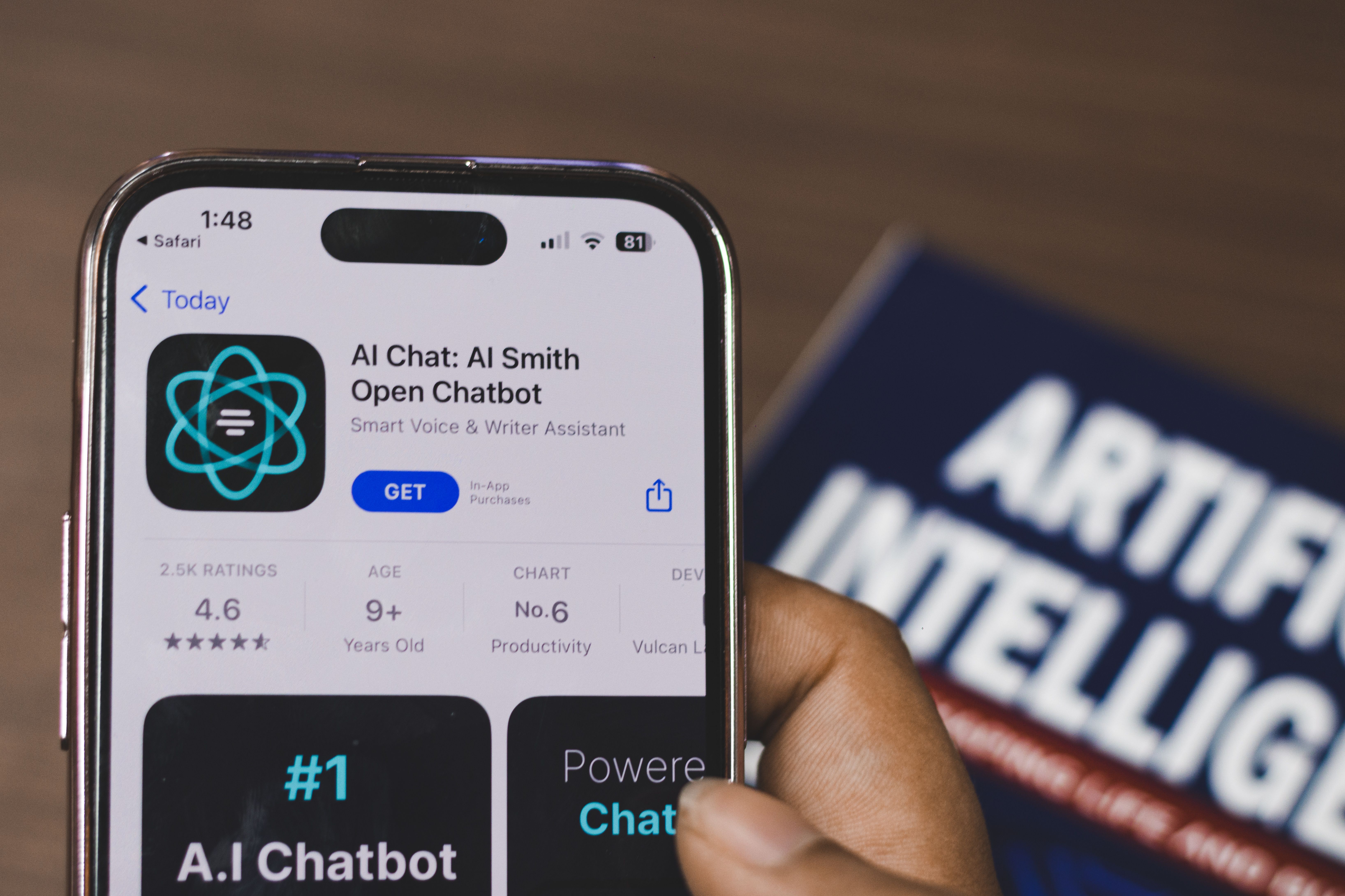
Gemini Search Visibility is about how content, brands, and web pages may be discovered, summarised, or referenced in AI-assisted search experiences, including Google’s Gemini-related interfaces and other generative search tools. For website owners, this is less about chasing a single ranking position and more about understanding how AI systems surface information, choose sources, and present answers to users.
This matters because search behaviour is changing. People now ask longer, more conversational questions and expect direct answers, follow-up suggestions, and clearer source context. Traditional SEO still matters, but AI search discovery adds another layer: your content needs to be useful for readers, understandable to machines, and accessible to crawlers and indexing systems.
What Gemini Search Visibility actually means
Gemini Search Visibility is best understood as the chance that your content or brand is discoverable in AI-generated or AI-assisted search experiences connected to Gemini and similar systems. That could mean appearing as a cited source, being mentioned in a summary, or helping answer a query even if the user never clicks through immediately.
This is different from classic search results. A normal results page shows ranked links. An AI answer may combine information from several pages, rewrite details in natural language, and present only a small number of sources. In some cases, there may be clickable citations; in others, there may be only a brief reference or no visible source at all. The interface and source selection can change over time.
For context, Google’s guidance on AI features and helpful content remains a sensible reference point for publishers and SEO teams; see the official documentation on Google AI features in Search.
How AI search discovery differs from traditional SEO
AI search discovery and traditional SEO overlap, but they are not the same. Standard SEO still focuses on crawlability, indexing, page quality, internal links, intent matching, and relevance. AI search adds uncertainty around how content is selected, summarised, and attributed inside answer engines.
That means a page can be well-optimised for search and still not be surfaced in a given AI answer. It also means a page can be cited by one platform and overlooked by another. ChatGPT Search, Perplexity, Microsoft Copilot Search, Gemini, and Claude may use different interfaces, retrieval methods, source presentation styles, and update cycles. They do not function identically.
For website owners, the practical takeaway is simple: keep investing in strong SEO foundations while also making content clearer, more structured, and easier to interpret. AI visibility is usually easier to support when your site already performs well in conventional search.
What helps AI systems understand and trust your content
AI systems tend to work better with content that is specific, accurate, well organised, and grounded in real expertise. That does not guarantee visibility, but it gives your pages a stronger chance of being understood correctly.
Useful signals include clear page purpose, accurate headings, concise definitions, and consistent entity information. Entity optimisation means making your brand, organisation, author, products, and services easy to identify across your site and elsewhere online. This can include consistent business names, bios, contact details, and editorial policies.
Structured data can also help by clarifying page meaning, but it is not a shortcut to inclusion. Use schema that reflects visible content, and validate it carefully. Misleading or invalid markup can create quality problems rather than solve them.
If you are reviewing your wider SEO foundations at the same time, a free website SEO audit can help you spot technical issues that may affect both search engines and AI retrieval systems.
AI citations, brand mentions, and referral traffic
Not every AI mention means the same thing. A clickable citation is a visible link back to your page. A text-only brand mention is simply your name appearing in the answer. A recommendation is stronger still, but it is not the same as endorsement. A referral visit is an actual user click. An organic search impression is different again, because it records visibility in traditional search rather than an AI answer.
These distinctions matter because a brand mention may improve recognition without driving traffic. A citation may send visits, but not every citation will. Some AI systems combine information from multiple sources, sometimes with incomplete attribution or occasional factual errors. Source context can shift depending on the query, the product version, the user’s location, and how the interface is designed.
For that reason, monitor more than raw traffic. Look at landing pages, enquiry quality, assisted conversions, recurring branded queries, and whether your content is being represented accurately. Search visibility in AI-generated answers should support business outcomes, not just vanity metrics.
Practical content and technical steps to improve discoverability
There is no universal formula for AI search visibility, but there are practical steps that usually make sense. Start with content quality. Write for people first, using plain language, accurate facts, and original insight. Avoid thin pages that repeat generic advice. If you use AI-assisted drafting, review, edit, and fact-check every section before publishing.
Next, make your site easier to crawl and interpret. Check whether important pages are indexable, linked internally, and free from accidental blocking in robots settings. Search-engine crawlers, AI-related crawlers, training-related crawlers, and user-triggered retrieval systems may all behave differently, so it is wise to check current official documentation before changing server rules or robots.txt.
Then improve information structure. Use descriptive headings, clear summaries, and concise answers to common questions. This helps both human readers and machine systems. It can also support conversational search, where users phrase queries as full questions rather than short keyword strings.
Entity clarity, helpful content, and technical accessibility often work together. If you want to strengthen the discoverability of your site’s signals, the backlink building process guide explains how authority-focused link building fits into broader website visibility work without replacing solid on-page SEO.
How to measure AI search visibility without overclaiming
Measurement is still developing, so keep expectations realistic. You may not have a dedicated report for every AI system, and some visits can appear as direct, referral, or unclassified traffic depending on the platform and your analytics setup. Do not assume that every AI mention is traceable.
Useful checks include branded search trends, referral traffic from known sources, changes in enquiries, and whether key pages are being surfaced for recurring topics. Track the queries that matter to your business, then compare them with the pages that answer those questions best. This is especially helpful for publishers, ecommerce stores, consultants, and local businesses with repeat information needs.
You can also review whether your pages are properly interpreted by search systems using tools and reports from Google Search Console and analytics platforms. The aim is to understand patterns, not to chase a precise visibility score that does not yet exist across every AI platform.
Conclusion
Gemini Search Visibility is not about gaming AI search. It is about building content and websites that are easier to discover, easier to understand, and more useful to both people and machines. Strong SEO foundations still matter, but AI search discovery adds new questions around citations, brand mentions, source context, and measurement.
The safest approach is steady and practical: publish accurate content, keep your site technically accessible, maintain clear entity information, and monitor how your brand appears across search and AI experiences. That gives you a better basis for long-term visibility, without relying on assumptions about how any single platform works.
Frequently Asked Questions
What is the difference between AI search visibility and normal SEO visibility?
Normal SEO visibility usually refers to rankings and impressions in traditional search results. AI search visibility refers to being discovered, summarised, or cited in AI-generated answers or answer engines, which may present information differently.
Can structured data guarantee Gemini or Google AI Overviews citations?
No. Structured data can help explain your content, but it does not guarantee inclusion, citation, or recommendation in any AI-generated result.
Does ChatGPT Search use the same source-selection approach as Gemini or Perplexity?
No. Different platforms may use different retrieval methods, interfaces, and source presentation styles, and those details can change over time.
What is the best first step for improving AI search discovery?
Start with helpful, accurate content that answers real user questions clearly, then check crawlability, indexing, entity consistency, and referral tracking so you can measure what changes.
- Sponsored Ad -





