
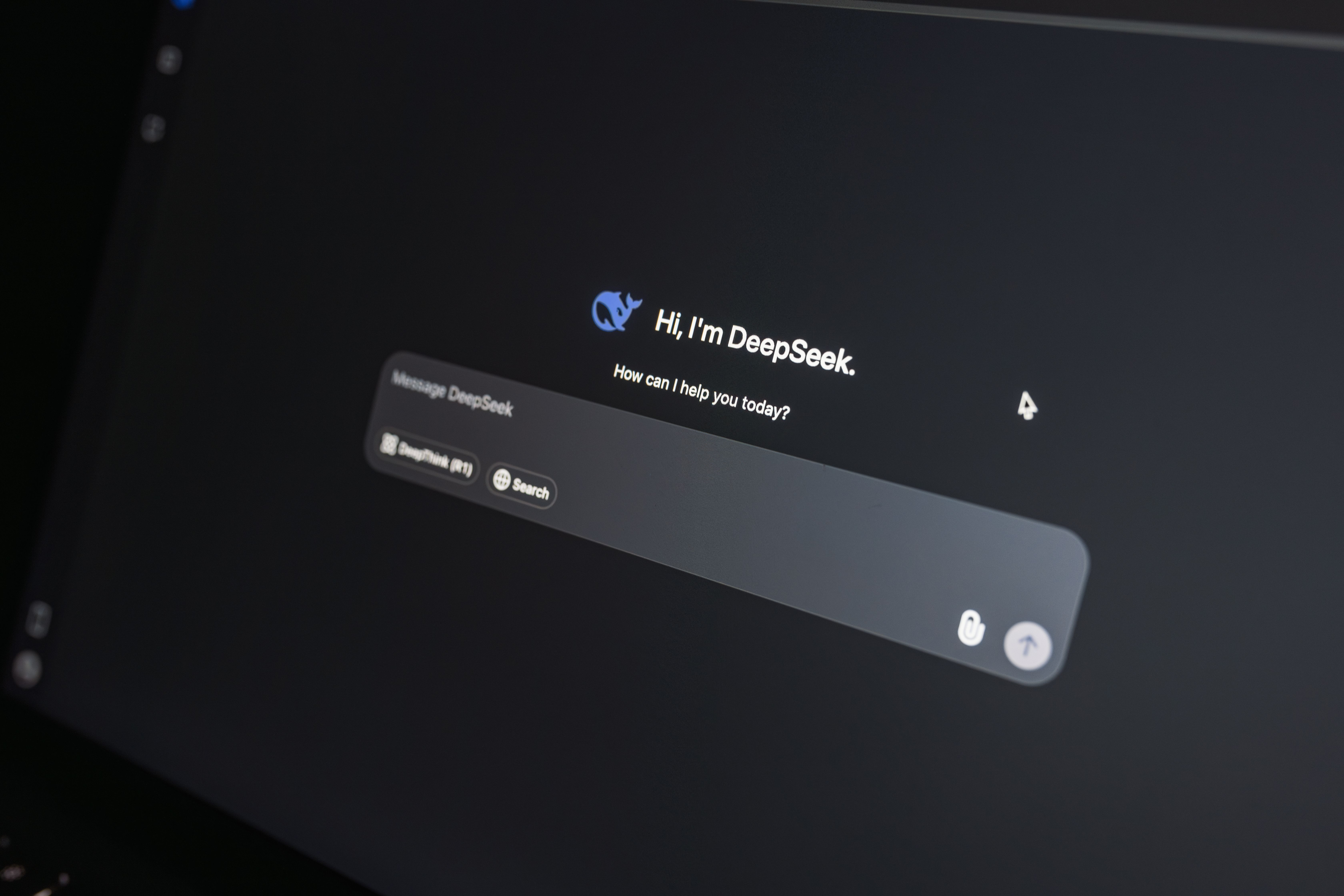
GEO Content Writing for AI Search is about creating useful, well-structured content that can be understood by both people and AI-driven search systems. For beginners, that means learning how generative search, answer engines, and traditional SEO work together rather than treating them as separate worlds.
AI search is changing how some users discover information through tools such as Google AI Overviews, Google AI Mode, ChatGPT Search, Perplexity, Microsoft Copilot Search, Gemini, and Claude. These systems may summarise multiple sources, show citations, or present direct answers, so website visibility now depends on more than blue links alone.
What GEO Content Writing Means in Practice
GEO usually stands for Generative Engine Optimisation, while AEO means Answer Engine Optimisation. These terms are still developing, and different marketers use them in slightly different ways. In simple terms, they describe content work aimed at making information easier for AI systems to understand, select, summarise, and attribute.
The key idea is not to write for machines instead of humans. It is to create content that answers questions clearly, supports claims with trustworthy information, and uses language that helps a search system recognise what the page is about. Strong SEO foundations still matter here, especially crawlability, indexing, page quality, and relevance.
A practical beginner approach is to focus on one topic per page, explain terms plainly, and build content around real user intent. That is useful for blog posts, product pages, service pages, and help content alike.
How AI Search Differs from Traditional Search Results
Traditional search usually presents a list of pages for the user to choose from. AI search experiences may instead generate a direct response, then include a few citations or related sources. In some cases, the answer can combine information from several pages and present it in a conversational style.
This creates a few important differences. A page may be cited without becoming the main traffic driver. A brand may be mentioned without receiving a clickable link. And a user may get the information they need without visiting any single site at all.
That does not make traditional SEO obsolete. It means search visibility is now broader than ranking positions alone. Websites still need to earn organic search performance, but they also need to be understandable to systems that retrieve and summarise information in different ways.
What Makes Content More Useful to AI-Driven Systems
No one outside the platforms knows every selection detail, and the exact retrieval process can change over time. Still, certain content qualities are consistently helpful. Clear definitions, accurate facts, strong topical focus, and logical page structure all make it easier for systems and readers to interpret the page.
Entity optimisation is useful here. An entity is a clearly identifiable thing such as a brand, person, product, place, or organisation. Using consistent names, accurate business details, and clear author information helps both people and systems understand who the content represents.
Structured data can also help describe page meaning. For example, organisation, article, product, or local business markup may clarify visible content. It does not guarantee inclusion or citation, but it can support machine understanding when used honestly and accurately. Google’s guidance on AI features in Search is a useful official reference for understanding how Google presents some AI-generated search experiences.
AI Citations, Brand Mentions, and Traffic: What to Measure
It helps to separate a few different outcomes. A clickable citation is not the same as a text-only brand mention. Neither is the same as a recommendation, a referral visit, an organic impression, or a traditional ranking. These signals can overlap, but they do not mean the same thing.
A website owner may see a brand mentioned in an AI answer without receiving much traffic. Another page may receive referral visits from an AI-assisted experience without being heavily cited elsewhere. Because interfaces and reporting options vary, some journeys may also appear as direct or unclassified traffic in analytics.
That is why AI search analytics should be practical rather than speculative. Track referral traffic where possible, monitor branded search demand, review landing page performance, and note which questions appear repeatedly. If your content is being cited, check the context of the citation as well as the final outcome. For broader measurement habits, a free website SEO audit can help identify technical and content issues that may also affect discoverability.
Technical Access, Crawlability, and Content Quality
AI search visibility can depend on technical accessibility as well as editorial quality. Search-engine crawlers, AI-related crawlers, training-related crawlers, and user-triggered retrieval are not the same thing, and they do not all behave identically. Allowing or blocking one does not automatically control what every AI system can do with your content.
That means robots.txt, meta robots tags, server settings, canonicals, and internal links should be checked carefully before changes are made. If your content is difficult to crawl or index, it may be less likely to be discovered in either traditional or AI-assisted search experiences.
AI-generated content also needs careful handling. AI-assisted drafting can be useful, but unreviewed output can introduce factual errors, vague claims, or inconsistent tone. The safest approach is human editing, fact-checking, original insight, and a clear editorial process. Quality matters more than whether a tool helped produce the first draft.
For website owners who want to improve the foundations first, a solid backlink strategy and good site architecture still matter. Backlink Works also publishes SEO education that can support wider visibility work, including an introduction to backlink building strategy.
Common Mistakes in GEO and AEO
Many beginners make the mistake of writing for AI outputs instead of people. That can lead to thin pages, repetitive phrasing, or content that answers nothing well. Another common problem is assuming that schema markup alone will make a site visible in AI-generated answers. It cannot.
Other mistakes include publishing content without reliable sources, ignoring page structure, using inconsistent brand names across the site, and focusing only on one platform. Google, OpenAI, Perplexity, Microsoft, Gemini, and Claude may present sources and answers differently, so a single tactic will not fit every system.
A simple checklist is often more useful than chasing trends:
- Answer one clear user question per section.
- Use accurate terminology and consistent entity names.
- Keep important pages crawlable and indexable.
- Add structured data only when it reflects the visible page.
- Review content regularly for outdated claims.
Conclusion
GEO content writing for AI search is best understood as an extension of good SEO, not a replacement for it. Helpful content, technical clarity, trustworthy sourcing, and a clear brand identity all support discoverability across both classic search results and AI-generated answers.
Because AI search systems evolve, the most practical approach is to build content that is accurate, genuinely useful, and easy to interpret. That gives your site a stronger foundation for visibility wherever users choose to search.
Frequently Asked Questions
What is the difference between GEO and SEO?
SEO focuses on improving visibility in search engines, while GEO aims to make content easier for generative AI systems to interpret and cite. They overlap heavily, so most websites benefit from both approaches working together.
Can structured data make my site appear in AI answers?
Structured data can help search systems understand page meaning, but it does not guarantee AI citations or visibility. It works best when it accurately matches the visible content and supports clear site organisation.
How should I write content for AI search without losing human value?
Start with genuine user questions, explain ideas plainly, and avoid filler. If the content is genuinely helpful to readers, it is usually more likely to be useful to AI systems as well.
How can I tell whether AI search is sending traffic?
Look at referral traffic, branded searches, key landing pages, and conversion trends. The data may be incomplete, but it can still show whether AI-assisted discovery is contributing to visits or enquiries.
- Sponsored Ad -





