
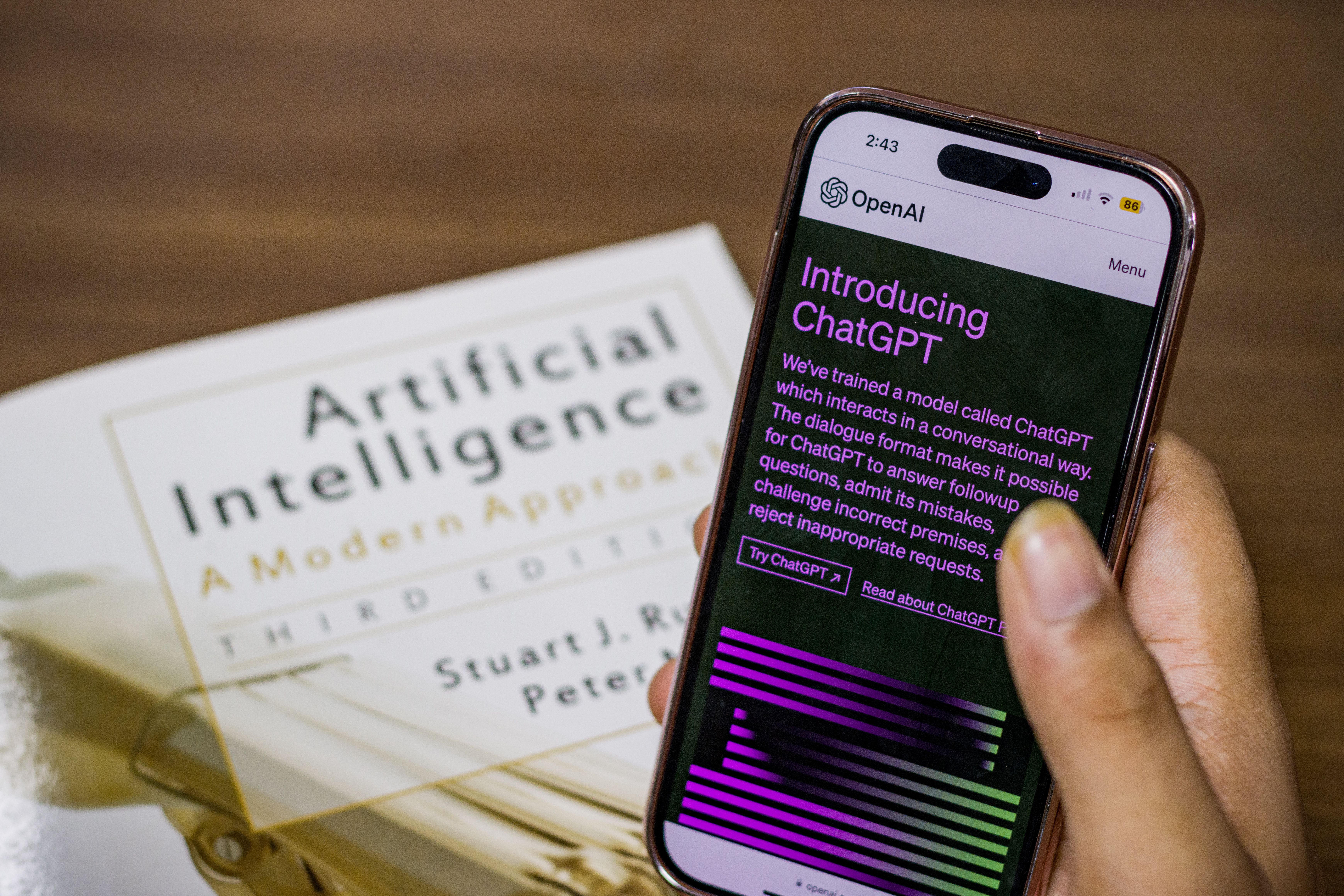
GEO vs Traditional SEO is a useful way to think about how website discovery is changing. Traditional SEO focuses on helping pages appear in search results, while GEO, or Generative Engine Optimisation, looks at how brands and content may be used in AI-generated answers, summaries, and conversational search experiences.
For website owners, the key question is not whether one approach replaces the other, but how they work together. AI search systems such as Google AI Overviews, Google AI Mode, ChatGPT Search, Perplexity, Microsoft Copilot Search, Gemini, and Claude may present information differently, so visibility now depends on more than blue links alone.
What GEO Means Compared with Traditional SEO
Traditional SEO is the practice of improving crawlability, indexability, relevance, content quality, and user experience so a page can be found in search engines. GEO is a newer umbrella term used by marketers and researchers to describe work that may improve a brand’s usefulness or visibility in generative search and answer engines.
The terminology is still developing. Some people use AEO, LLMO, AI SEO, or Generative Engine Optimisation to mean similar things, but these labels are not fully standardised. In practice, they all point towards a common goal: making content understandable, trustworthy, and accessible to systems that may summarise information rather than list pages.
That does not make traditional SEO obsolete. Strong technical SEO, helpful content, internal linking, and clear site structure still matter because AI systems often rely on accessible, well-structured web content to retrieve and interpret information.
How AI Search Differs from Classic Search Results
Classic search results usually present a ranked list of pages, each with a title, snippet, and destination link. AI-generated answers can work differently. They may combine information from multiple sources, summarise details, and present a conversational response with citations, brand mentions, or follow-up prompts.
Different platforms may handle sources in different ways. Some may show clickable citations, some may include text-only mentions, and some may not surface attribution consistently for every query. A mention in an AI answer is not the same thing as a traditional ranking, and a citation is not automatically the same as a recommendation.
AI search can also change user behaviour. A person may ask a more specific, natural-language question, receive a direct answer, and click less often than they would from a standard results page. In other cases, a citation or brand mention may prompt a qualified visit if the user wants more detail.
What Website Owners Should Focus on for GEO
Generative search optimisation works best as an extension of sound SEO and content strategy. The aim is to make it easy for systems and people to understand what your site covers, who it is for, and why it is credible.
Useful priorities include clear entity signals, which means consistent information about your brand, company, author, and products across your site and trusted profiles. Structured data can help search systems interpret visible page information, but it does not guarantee citations or inclusion in AI-generated answers. If you use it, make sure it matches the page content accurately and validate it with an approved testing tool.
Content quality matters too. AI search systems are more likely to be useful to users when they can rely on pages that are specific, accurate, well organised, and written for real questions. For many sites, this means improving topic depth, using plain language, adding clear definitions, and making claims easy to verify.
For a broader technical and backlink-informed approach, some website owners combine these foundations with a free website SEO audit to spot crawl, content, and authority issues before they test AI search visibility.
AI Citations, Brand Mentions, and Traffic: What to Measure
It helps to separate several different outcomes. A clickable citation is a link in an AI answer. A text-only brand mention is simply your name or product being referenced. A recommendation is stronger still, but it is not something you can assume from every mention. A referral visit is when someone actually clicks through. A traditional search impression or ranking is a separate metric again.
These should not be treated as the same thing. A brand may be mentioned in an AI response without receiving traffic. It may receive traffic without a citation if the user looks up the brand later. And a traditional ranking does not guarantee AI visibility.
Measurement is still evolving. Some visits may appear as direct, referral, or otherwise unclassified in analytics depending on the platform and setup. Website owners should review landing pages, brand search demand, referral traffic, and assisted conversions rather than relying on a single number. If you want to monitor how content and links support discoverability more broadly, Backlink Works’ backlink building process guidance can help frame authority-building in a practical way.
Technical Access, Crawlability, and Content Readiness
AI search visibility also depends on technical accessibility. That includes whether pages can be crawled and indexed, whether important content is rendered properly, and whether internal links help systems move through the site. Search-engine crawlers, AI-related crawlers, training-related crawlers, and user-triggered retrieval do not all behave the same way, and their purposes may differ.
Before changing robots.txt, server rules, or other access controls, check current official documentation for the platform you are dealing with. Allowing one crawler does not guarantee visibility in AI answers, and blocking one crawler does not remove all traces of a page from every system. Careful testing and backups are sensible before technical changes.
AI content also needs human editorial control. Using AI-assisted drafting can save time, but unreviewed output can introduce factual errors, outdated claims, duplication, or weak sourcing. Content should still serve readers first, with original insight, accurate detail, and a consistent brand voice. For a wider view of search quality foundations, Google’s helpful content guidance for search is a sensible reference point.
Common Mistakes to Avoid
One common mistake is treating GEO as a shortcut that replaces SEO. Another is assuming that FAQs, schema, or word count alone will make content appear in AI-generated answers. These elements can help with clarity, but they do not control platform selection.
Other mistakes include keyword stuffing, publishing mass-generated pages without review, using misleading structured data, and chasing artificial authority signals such as fake reviews or fabricated mentions. These tactics may damage trust and can create quality or policy problems.
A better approach is to strengthen what already helps people and search systems: accurate information, transparent authorship, useful page formatting, credible references, and a site structure that makes sense to both users and crawlers.
Conclusion
GEO and traditional SEO are best seen as complementary, not competing, disciplines. Traditional SEO helps your pages become discoverable, understandable, and trustworthy in standard search. GEO helps you think about how that same content may be interpreted, summarised, and cited in AI search and answer engine experiences.
Website owners do not need to reinvent everything at once. Start with solid technical SEO, publish content that answers real questions clearly, keep brand and entity information consistent, and measure the traffic and visibility signals that matter to your business. That gives you a practical base for both search results and AI-generated answers without relying on guarantees that no platform can offer.
Frequently Asked Questions
Is GEO replacing traditional SEO?
No. GEO is better understood as an additional way to think about visibility in AI-generated answers. Traditional SEO still matters for discoverability, indexing, and organic traffic.
Can structured data make my site appear in AI answers?
Structured data can help clarify what a page is about, but it does not guarantee citations, rankings, or inclusion in any AI response. It should always match the visible page content.
How should I measure AI search visibility?
Look at referral traffic, brand mentions, citations where available, landing pages, and assisted conversions. No single tool or metric gives the full picture.
Do different AI search platforms use the same sources?
No. Platforms such as Google AI Overviews, ChatGPT Search, Perplexity, Copilot Search, Gemini, and Claude may surface sources differently, and their interfaces and reporting can change over time.
- Sponsored Ad -





