
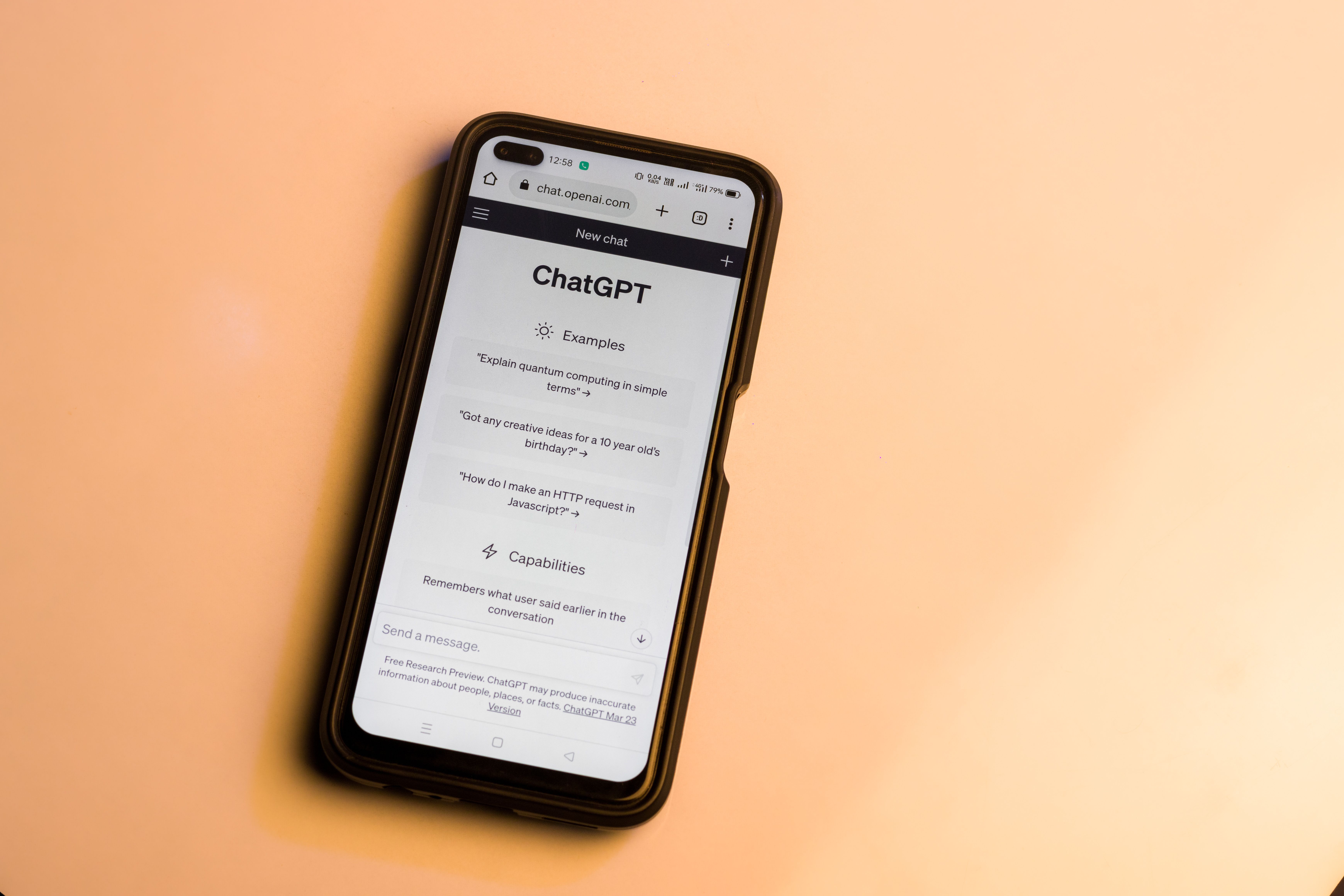
Getting cited by large language models can feel opaque, which is why many site owners now ask how to get cited by LLMs without chasing tactics that are unreliable or risky. The practical answer is less about gaming an AI system and more about making your site easy to trust, easy to understand, and easy to retrieve when an AI search experience needs a source.
That matters because generative search, answer engines, Google AI Overviews, Google AI Mode, ChatGPT Search, Perplexity, Microsoft Copilot Search, Gemini, and Claude may present information differently from a traditional blue-link results page. Your content may be selected, summarised, cited, or ignored depending on the query, the platform, and how the system is designed at that moment.
What “LLM citations” really mean
In AI search, a citation is usually a visible reference to a source used in an answer. That is not the same as a text-only brand mention, a product recommendation, a referral visit, or a traditional organic ranking. A page can be mentioned without receiving a click, or receive a click without being explicitly cited.
Different platforms also handle sources differently. Some show clickable links, some show supporting sources, and some may present a summary without obvious attribution. Because those interfaces and retrieval methods can change, it is better to think in terms of visibility in AI-generated answers rather than expecting one fixed citation pattern.
How to get cited by LLMs: the practical foundations
The strongest starting point is still classic SEO, because crawlability, indexability, clear page structure, and useful content help both search engines and AI retrieval systems understand your site. That does not guarantee citation, but it improves the chance that your content can be found, interpreted, and trusted.
Focus on answering specific questions clearly. Pages that explain a topic in plain language, use accurate terminology, and give direct, source-backed explanations are easier for both people and machines to work with. If your content is vague, repetitive, or thin, it is less likely to be selected as a useful source.
For Google-specific guidance, the Google documentation on AI features in Search is the most relevant place to check current guidance. Features and presentation can evolve, so treat documentation as current reference material rather than a fixed promise of visibility.
Content quality, entity clarity, and structured data
Generative engine optimisation and answer engine optimisation are useful labels for a broader idea: making content easier for AI systems to identify, trust, and reuse. These terms are still developing, so different marketers may use them differently. They are best treated as complements to SEO, not replacements for it.
Entity optimisation means making your brand, people, products, and topics easy to identify consistently across your site and the wider web. That includes clear organisation details, accurate author information, consistent naming, and an understandable about page. It also includes publishing information that genuinely matches the entity you want associated with the topic.
Structured data can help machines understand page meaning. For example, organisation, product, article, breadcrumb, and profile markup may clarify what a page is about, provided it accurately reflects visible content. It should not be used as a trick. If the markup is misleading, it can create eligibility or quality problems instead of helping.
When AI content is involved, human review matters. AI-assisted drafts can be useful, but unedited output can contain errors, weak sourcing, outdated claims, or flat brand voice. For website owners, the goal is to publish content that remains useful to people first and is also machine-readable.
Why crawlability and source authority still matter
AI search visibility depends partly on whether systems can access and interpret your pages. That includes traditional search-engine crawlers, AI-related crawlers, training-related crawlers, and user-triggered retrieval systems. These are not the same thing, and allowing one type of access does not guarantee anything for another.
If you are reviewing technical access, check current official documentation before changing robots.txt, meta robots tags, or server rules. A cautious audit is better than guessing which crawler belongs to which platform. If you need a broader technical starting point, a free website SEO audit can help identify crawl, index, and structure issues that may also affect AI discoverability.
Authority also matters in a practical sense. That does not mean chasing artificial signals or fake brand mentions. It means earning genuine references, publishing accurate information, and building a reputation that makes your site a reasonable source for a model or retrieval system to surface.
How AI search differs from traditional search results
Traditional search usually presents a ranked list of pages, while AI search may answer the query directly, combine multiple sources, or invite follow-up questions. That changes user behaviour. A person may get what they need without clicking through, or they may click only after reading a summary.
This means AI search traffic can be redistributed rather than simply added. Some visits may appear as referral traffic, some as direct, and some may be difficult to attribute cleanly. Analytics rarely tell the full story, so it helps to monitor landing pages, branded search activity, assisted conversions, and recurring query themes rather than relying on one metric alone.
For marketers comparing approaches, traditional SEO and AI search optimisation should be treated as complementary. A strong backlink profile, useful content, and a technically sound site still support discoverability. If you are building that foundation, the ultimate guide to backlink building is a useful companion resource for understanding how authority signals are earned in a legitimate way.
Common mistakes to avoid
One common mistake is writing for AI systems instead of people. Content that is overly repetitive, stuffed with terms, or stripped of personality is unlikely to help readers, and it rarely improves visibility in a meaningful way.
Another mistake is treating citations, mentions, and rankings as the same thing. A brand mention is not always a citation, and a citation is not always a recommendation. Likewise, an AI-generated answer can include outdated or incomplete attribution. That is why monitoring brand accuracy and source context matters.
A third mistake is trying to force visibility through manipulative tactics such as fake reviews, hidden text, deceptive schema, or mass-generated low-quality pages. Those tactics are poor practice for human users and do not create reliable long-term visibility.
How to measure AI search visibility
Measurement is still emerging, so expect partial data rather than a perfect dashboard. Start by checking whether key pages receive new referral traffic, whether branded searches change, and whether certain pages are repeatedly mentioned in answer-driven journeys.
It also helps to review page-level engagement and conversions, not just traffic. A citation that brings no meaningful visit or enquiry may be less valuable than a quieter mention that supports trust over time. In ecommerce, that could mean product page visits or assisted sales. In publishing, it might mean newsletter sign-ups or deeper session paths.
Search analytics can help, but they will not capture every AI-assisted journey. For that reason, the best approach is to combine analytics with manual checks, search result testing, and regular content updates. If you want a broader visibility baseline, a clear SEO review can be a practical first step alongside AI search monitoring.
Conclusion
If your goal is to get cited by LLMs, the safest approach is to build pages that are genuinely worth citing. That means accurate information, clear structure, technical accessibility, trustworthy brand signals, and content that answers real user questions. AI search visibility may improve when those foundations are in place, but no page can be guaranteed a citation in Google AI Overviews, Google AI Mode, ChatGPT Search, Perplexity, Copilot, Gemini, Claude, or any other system.
Think of AI search as an additional discovery layer rather than a replacement for SEO. The websites most likely to benefit are usually the ones that already serve human readers well and make it easy for machines to understand what they publish.
Frequently Asked Questions
What is the difference between AI citations and brand mentions?
A citation is usually a visible source reference, while a brand mention may simply name your business without linking or attributing a source. A mention can support awareness, but it does not always produce traffic or endorsement.
Can structured data make my site appear in AI answers?
No, structured data cannot guarantee inclusion. It can help clarify page meaning, which may support discoverability, but AI systems still decide what to surface based on many factors.
Do I need to change my SEO strategy for AI search?
Usually you should adapt, not replace. Strong SEO fundamentals still matter, but you may also want to improve clarity, source quality, entity consistency, and measurement for answer-driven search behaviour.
How should I monitor visibility in AI search platforms?
Track referral traffic, branded searches, page engagement, and recurring query themes. Also check whether your brand is cited accurately in AI-generated answers, since attribution quality can matter as much as volume.
- Sponsored Ad -





