
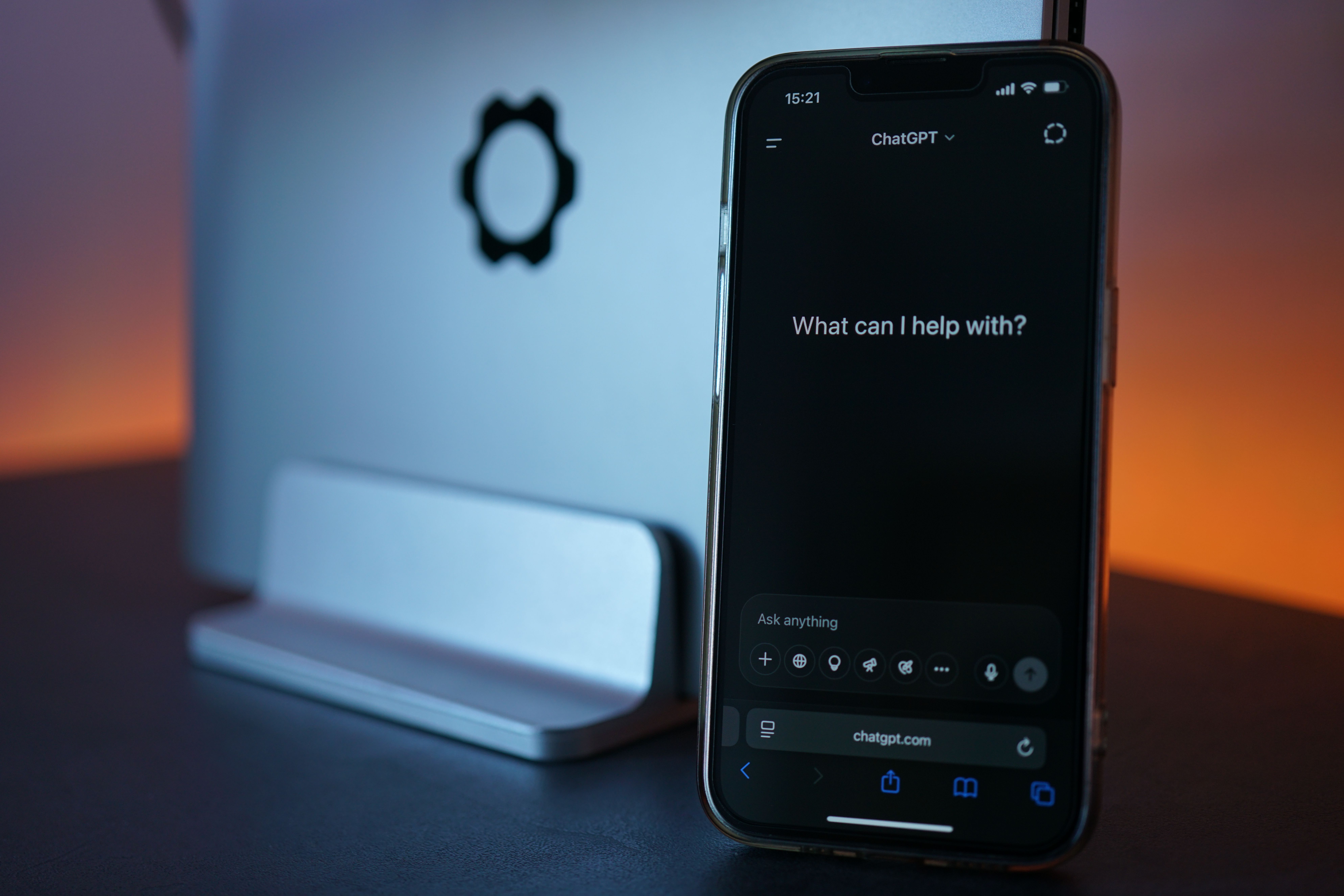
Google AI Mode Citations: How AI Search Chooses Sources is becoming an important question for anyone trying to understand how websites appear in generative search results. As AI search moves from simple links to answer-first interfaces, the way sources are selected, summarised, and attributed can shape brand visibility, user journeys, and organic traffic.
For website owners and marketers, the key point is not to chase a single trick. AI-generated answers may draw on multiple sources, and different platforms can present citations in different ways. That means traditional SEO still matters, but it now sits alongside generative search, answer engines, and broader visibility in AI-assisted discovery.
What AI search citations actually are
A citation in AI search is a visible reference or link that points to a source used in an answer. In some cases, the answer may include a clickable citation. In others, a brand or page may be mentioned without a link. That distinction matters because a text-only mention is not the same as a referral visit, and neither is the same as a traditional search ranking.
Google AI Overviews and Google AI Mode are designed to present helpful, conversational responses. Other systems such as ChatGPT Search, Perplexity, Microsoft Copilot Search, Gemini, and Claude may also surface sources, but they do not necessarily use the same interface, retrieval method, or attribution style. A citation may support trust and discovery, yet it does not guarantee traffic or endorsement.
How AI search appears to choose sources
The exact selection process is not fully documented across all platforms, so cautious language is essential. In practice, source choice often seems to reflect a mix of content relevance, query intent, freshness, credibility, and technical accessibility. That is not a confirmed universal formula, but it is a useful way to think about AI search visibility.
For Google AI experiences, established SEO fundamentals still matter. Pages that are crawlable, indexable, well-structured, and genuinely helpful are easier for search systems to understand. Google’s own guidance on AI features in Search is a sensible starting point for understanding how these experiences fit within the wider search ecosystem.
In many cases, AI answers may also reflect entity understanding. An entity is a clearly identifiable thing such as a company, person, product, location, or topic. If your brand information is consistent across your website and trusted references, the system may find it easier to connect your content to the right topic. That still does not guarantee inclusion, but it can improve clarity.
Why citations differ across platforms
AI search platforms do not function identically. Google AI Mode, ChatGPT Search, Perplexity, Copilot, Gemini, and Claude may each summarise information differently, use different source presentation styles, and offer different levels of follow-up interaction. A page cited in one platform may not appear in another, even for a similar query.
There is also a difference between user-triggered retrieval and traditional search indexing. Some systems rely more heavily on web retrieval at query time, while others blend multiple signals and presentation layers. As a result, citations can vary by query wording, session context, region, account type, and product updates. That is why AI search analytics should be treated as directional rather than complete.
For brands that want to understand broader discoverability, it helps to pair AI search awareness with solid SEO foundations. If your technical setup needs work, a free website SEO audit can help identify crawlability, indexing, and page-quality issues that may also affect how machines interpret your site.
What helps a page become easier to understand
No single format guarantees AI citations, but some practices make content easier for both people and machines to use. Clear structure is important. So is accuracy. Pages should answer a real question, explain terms plainly, and avoid vague filler. This matters for content created by humans or with AI assistance, because quality and editorial review are what count.
Structured data can also help by clarifying page meaning. For example, organisation, article, product, or local business markup may support machine understanding when it accurately matches the visible page content. It should not be used as a shortcut or as a way to invent signals. Google’s structured data guidance is useful for understanding what markup can and cannot do.
For website owners, a practical checklist is simple: make sure pages load reliably, are indexable, use descriptive headings, include clear author or brand information where relevant, and avoid unsupported claims. That approach supports both human readers and AI-driven discovery.
AI citations, brand mentions, and traffic are not the same
It is easy to treat all forms of visibility as equal, but they are not. A clickable citation may send a referral visit. A brand mention may improve awareness without generating any click. A recommendation may influence trust even if the user does not visit your site immediately. An organic search impression is different again, because it reflects visibility in traditional search results rather than an AI answer.
This matters for measurement. A website may appear in an AI-generated answer but still receive little measurable traffic. Alternatively, a citation might lead to a highly qualified visit if the user clicks with intent. Neither outcome should be assumed. Instead, track referral traffic, landing pages, branded search activity, and conversions where possible.
If you are also building authority through links and digital PR, it is worth remembering that backlinks remain part of a wider visibility strategy rather than a guarantee of AI inclusion. Resources such as the backlink building process guide can help readers understand how off-page signals fit into traditional SEO and brand discovery.
Common mistakes to avoid in AI search optimisation
One common mistake is writing only for machines. AI search visibility is not a reason to abandon content that helps real visitors. Another is assuming that every mention, citation, or schema tag will produce measurable AI traffic. That is not supported by how these systems are documented.
Avoid low-quality mass content, fake reviews, deceptive markup, and artificial authority signals. These tactics can damage trust and create long-term issues. Do not copy competitors’ wording and expect AI systems to reward it. Instead, publish accurate, original, source-backed content that is genuinely useful.
For teams exploring Generative Engine Optimisation, Answer Engine Optimisation, or related terms such as GEO, AEO, and LLMO, the safest interpretation is that these approaches complement SEO rather than replace it. The terminology is still developing, and no single set of tactics applies to every platform or query type.
Conclusion
Google AI Mode citations, and AI search citations more broadly, are changing how people discover information online. The best response is not panic or shortcut thinking, but a balanced approach: strong technical SEO, useful content, clear entity signals, responsible schema, and careful measurement. AI search systems may continue to change, so visibility work should stay flexible and grounded in quality.
For most websites, the most reliable strategy is still to serve human readers first while making the site easy for search systems to understand. If you want a practical place to keep learning about website growth and visibility, Backlink Works publishes SEO education that fits a wider digital marketing strategy without treating AI search as a guaranteed outcome.
Frequently Asked Questions
Do Google AI Mode and AI Overviews always cite the top organic result?
No. There is no confirmed rule that the highest-ranking organic page is always chosen. Source selection can vary depending on the query, the available content, and the way the AI feature is designed.
Can structured data guarantee AI citations?
No. Structured data can help clarify what a page is about, but it does not guarantee inclusion, citation, or a particular ranking in any AI-generated answer.
How should I measure AI search visibility?
Look at a mix of signals, including referral traffic, branded searches, recurring query themes, conversions, and whether your content is being mentioned accurately. No analytics setup will capture every AI-assisted journey.
Is AI search replacing traditional SEO?
No. Traditional SEO is still important for crawlability, indexing, content quality, and discoverability. AI search adds another layer of visibility, but it does not make SEO obsolete.
- Sponsored Ad -





