
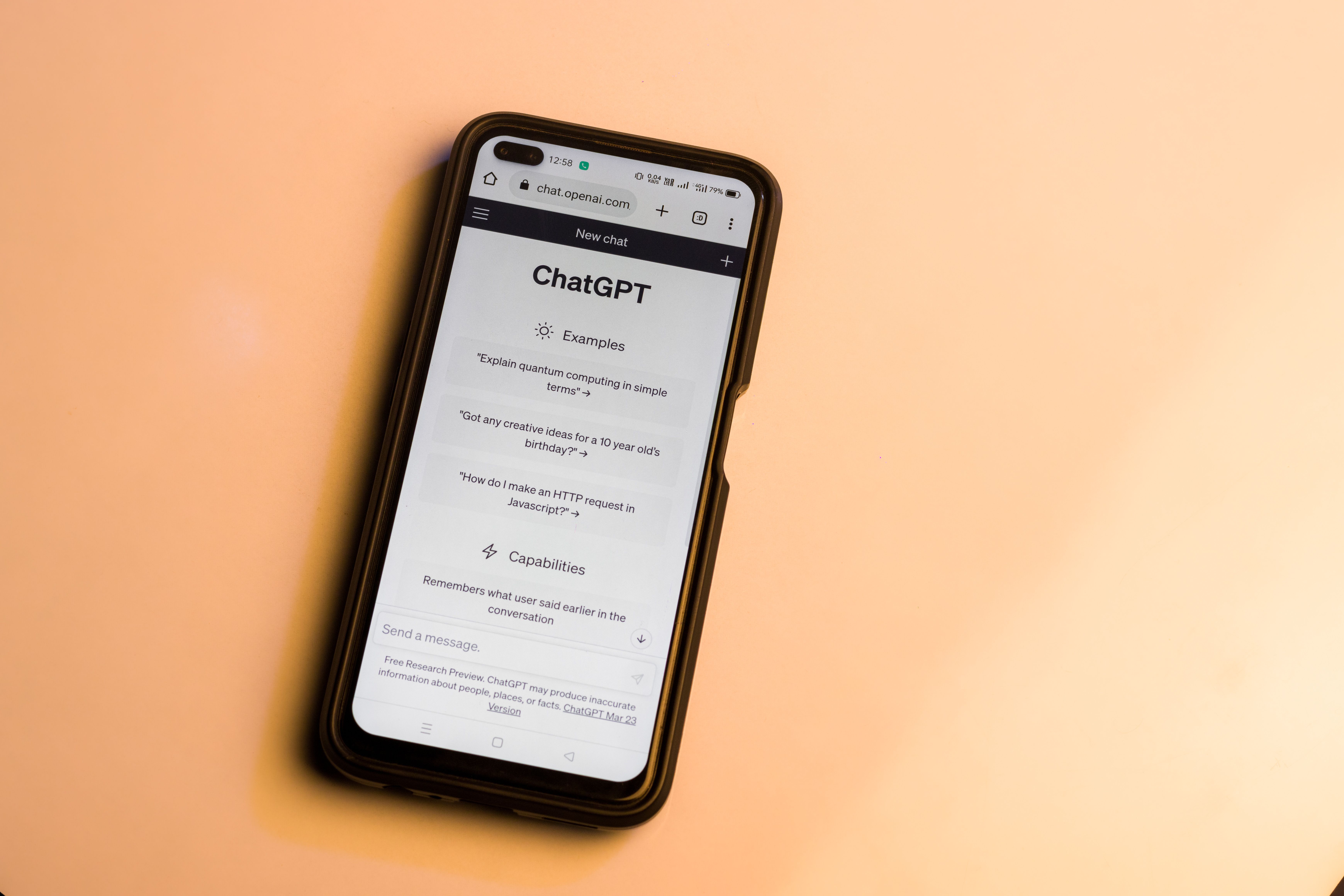
Google AI Mode vs ChatGPT Search is becoming an important question for website owners because both experiences change how people discover information, compare brands, and move towards a click. Instead of a simple list of blue links, AI search can present a generated answer, cite sources, and encourage follow-up questions, which affects visibility, traffic, and the role of content in the journey.
For Backlink Works Insights, the practical issue is not which platform “wins”, but how to make a site easier to find, understand, and trust across generative search, answer engines, and traditional search. That means looking at content quality, technical access, structured data, brand signals, and the changing ways Google AI Overviews, Google AI Mode, ChatGPT Search, Perplexity, Microsoft Copilot Search, Gemini, and Claude may surface information.
What AI search changes for website owners
AI search can behave differently from classic search results because the interface often tries to answer the query directly. A user may see a summary, a cited source, a product suggestion, or a follow-up prompt rather than scanning ten organic listings. That changes how website visibility is measured and how readers arrive at a page.
This does not replace SEO. It adds another discovery layer on top of it. Strong pages still need to be crawlable, indexable, useful, and clearly structured so that search systems can understand what they offer. The difference is that AI-generated answers may combine information from multiple sources, and the source set can vary by query, context, and platform design.
Google AI Mode vs ChatGPT Search: what is actually different?
Google AI Mode is part of Google’s evolving AI search experience, while ChatGPT Search is an AI-assisted search and answer experience within OpenAI’s product ecosystem. Both aim to help users get useful information quickly, but they are not the same system and should not be treated as if they use identical retrieval or citation methods.
Google’s public guidance for AI features sits alongside its broader search documentation, including helpful content, crawlability, and structured data guidance, such as the Google Search documentation on AI features. ChatGPT Search, by contrast, may cite sources and provide links in ways that differ by query, product version, account type, and region. Website owners should assume that presentation and attribution can change over time.
The practical takeaway is simple: Google AI Mode may draw more directly from Google’s search ecosystem, while ChatGPT Search may present a different answer format, different source selection, and different follow-up behaviour. Neither platform should be approached with a one-size-fits-all optimisation tactic.
How citations, mentions, and traffic should be understood
AI visibility is often discussed as if every mention is the same, but it is worth separating a few different outcomes. A clickable citation is not the same as a text-only brand mention. A recommendation is not the same as a referral visit. An organic search impression is not the same as a traditional ranking.
That distinction matters because a brand can be mentioned in an AI-generated answer without receiving traffic, and a cited source can still underperform if the user’s question is already answered on the results page. AI answers may also be incomplete, outdated, or inconsistent in how they attribute information. Website owners should monitor not just whether they are named, but whether the context is accurate and whether the query leads to meaningful visits or enquiries.
For businesses that rely on discovery, a useful next step is to review brand queries, recurring topics, and landing pages that already attract attention. If you are building content strategy around digital marketing and visibility, the free website SEO audit from Backlink Works can help identify crawl, structure, and content issues that may also affect AI discoverability.
What to improve for generative search and answer engines
Generative Engine Optimisation (GEO), Answer Engine Optimisation (AEO), and LLM visibility are still evolving terms. They are best understood as ways of describing work that supports discoverability in AI-led search experiences, not as replacement disciplines that make SEO obsolete.
Useful priorities include clear topical focus, accurate entity naming, concise definitions, strong internal linking, and visible evidence of expertise. Entity optimisation means making sure your business, author, product, and topic signals are consistent across your site and other trustworthy places on the web. Structured data can help machines interpret that information, but it does not guarantee citation or inclusion.
Structured data should match what users can actually see on the page. For example, article, organisation, product, local business, and profile markup can help clarify meaning when used properly, but misleading markup is risky and can create eligibility problems. It is also wise to keep copy focused on real user needs rather than trying to write “for AI” only.
Technical access, crawlability, and content quality
AI search visibility still depends heavily on technical accessibility. Search-engine crawlers, AI-related crawlers, training-related crawlers, and user-triggered retrieval are not the same thing, and website owners should not assume one setting affects every system in the same way. Before changing robots.txt or other access rules, check current official documentation and test carefully.
Good crawlability and indexing remain foundational. If search systems cannot understand your pages, they are less likely to surface them in any kind of generated answer. A practical checklist includes clean navigation, logical headings, accurate metadata, mobile usability, fast load times, and pages that answer a specific question clearly.
AI content also needs human editorial control. AI-assisted drafting can be useful, but unreviewed output can contain factual errors, duplication, weak sourcing, or off-brand language. Content quality, originality, and usefulness matter more than whether a tool helped create the first draft. For website owners who are also building authority through links and digital PR, the ultimate guide to backlink building can support broader SEO foundations that still matter in AI search.
How to measure AI search visibility without overclaiming
Measurement is still messy. Some AI-assisted visits may appear as referral traffic, some as direct traffic, and some may be hard to separate in analytics. That means AI search analytics is often about pattern spotting rather than perfect attribution.
Useful signals include referral visits from known platforms, landing page performance, branded search demand, repeat mentions across queries, and whether visitors convert after arriving from discovery-oriented pages. Do not equate a citation with revenue, and do not assume that a brand mention means endorsement. Instead, look for consistent trends in qualified visits, assisted conversions, and the accuracy of how your brand is represented.
If you are reviewing page performance, check which pages answer informational questions cleanly, which ones support comparisons or product discovery, and which ones are easiest for systems to parse. Clear structure helps human readers first, and that is still the right standard.
Conclusion
Google AI Mode and ChatGPT Search both reflect a shift towards conversational search, semantic understanding, and AI-generated answers, but website owners should avoid treating them as identical or predictable. The safest strategy is to build strong SEO foundations, publish accurate and genuinely useful content, maintain technical accessibility, and strengthen brand clarity across your site and wider web presence.
That approach does not guarantee citations, rankings, or traffic in any AI platform. However, it gives your site a better chance of being understood, trusted, and selected when users ask questions that your content is well suited to answer.
Frequently Asked Questions
Is Google AI Mode the same as ChatGPT Search?
No. Both are AI-assisted search experiences, but they are built by different companies and may use different systems, interfaces, source selection approaches, and citation styles.
Can I optimise a page to be cited in AI-generated answers?
You can improve the chances of discoverability by making the page clear, accurate, crawlable, and authoritative, but no method guarantees citation or inclusion in any AI answer.
Do structured data and FAQs guarantee visibility in AI search?
No. Structured data can help explain page meaning, but it does not guarantee AI citations, rankings, or selection. It should always reflect visible content.
What should I measure first if I suspect AI search is sending traffic?
Start with referral patterns, branded search behaviour, key landing pages, and conversions. Then compare those trends with the topics and queries your content is designed to answer.
- Sponsored Ad -





