
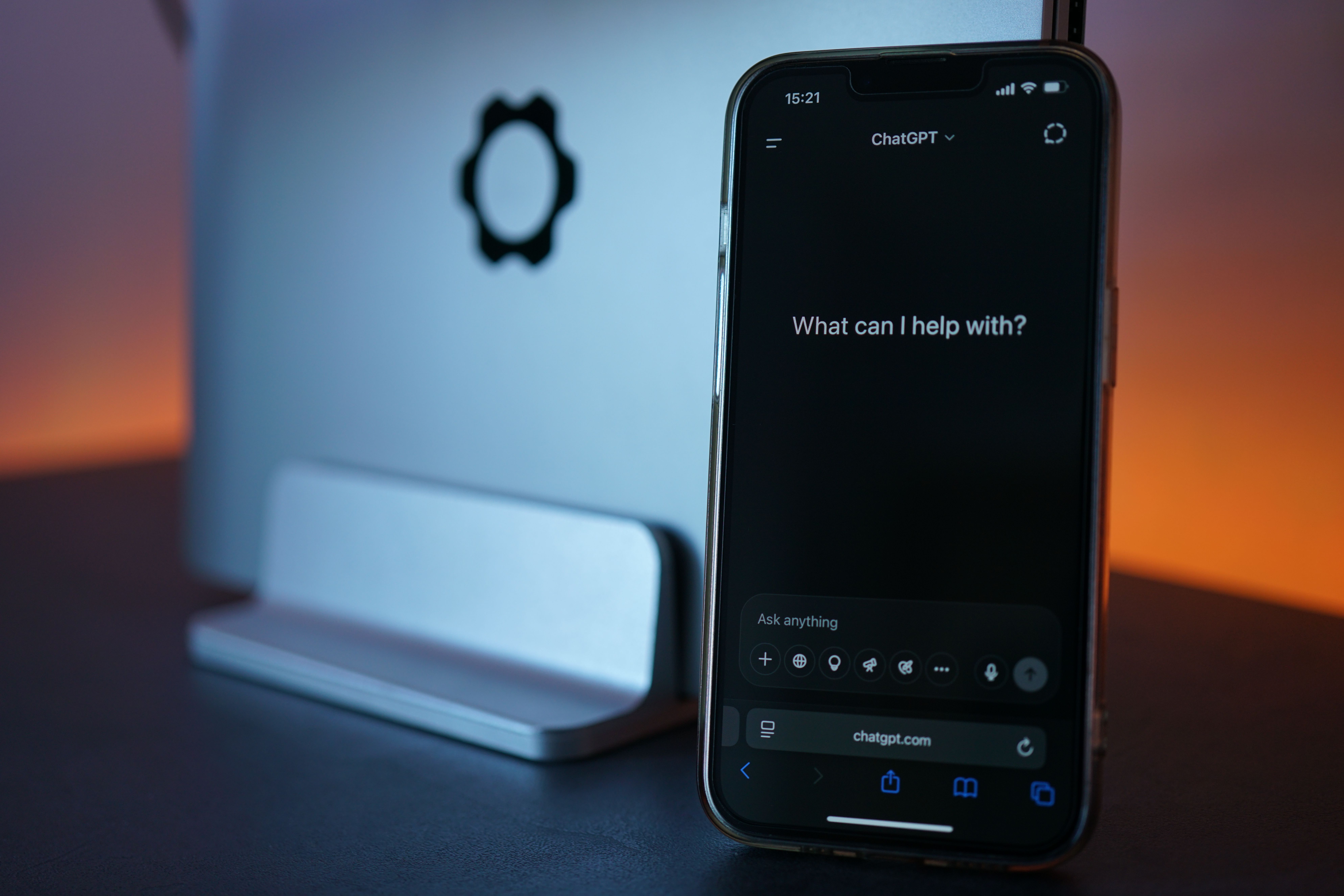
Google AI Overviews vs ChatGPT Search: Key Differences for SEO is becoming a practical question for anyone trying to understand how people discover content through AI search. These systems are part of a broader shift towards generative search and answer engines, where users may see a summary, a cited source, or a conversational response instead of a traditional list of blue links.
For website owners, the real issue is not which platform is “better”, but how each one may surface, summarise, or attribute information. That matters for visibility, brand mentions, referral traffic, and the long-term role of SEO alongside Generative Engine Optimisation (GEO) and Answer Engine Optimisation (AEO).
What AI search means for website visibility
AI search refers to search experiences that use large language models or similar systems to answer queries in a more conversational way. Some platforms still rely on a search index, while others blend retrieval, reasoning, and summarisation. The result can be a short answer, a cited paragraph, a follow-up prompt, or a mix of all three.
This changes how users interact with information. A person may no longer click through several results to compare sources. Instead, they may read one generated answer, then only visit a site if they need more detail, verification, or a product page. That means visibility is not just about ranking in a classic results page; it can also involve being selected, cited, mentioned, or used as a source in an AI-generated response.
Search visibility now depends on more than keywords. Content quality, crawlability, indexing, brand recognition, source authority, technical accessibility, online reputation, query context, and platform design can all influence whether a page is surfaced or cited. None of these factors guarantees inclusion, but they do shape discoverability.
Google AI Overviews and Google AI Mode: how they fit into search
Google AI Overviews are AI-generated summaries shown for some queries in Google Search. Google AI Mode is a more conversational search experience that Google has been developing, although features and availability may change over time. Both sit within Google’s search ecosystem rather than replacing it.
For SEO, the important point is that Google has said helpful content, clear structure, crawlability, and indexability still matter. A page that is difficult to crawl, thin on useful detail, or unclear about its purpose is unlikely to be a strong candidate for any kind of visibility, whether in organic listings or AI-generated search features. Google’s own guidance on AI features in Search is a good place to check for current documentation.
Google AI Overviews may combine information from multiple sources and do not necessarily present the same citations for every query. Some searches may show clickable citations; others may not. That means optimisation is best approached as improving the chances of relevance and trust, not chasing a fixed formula.
How ChatGPT Search differs from Google AI Overviews
ChatGPT Search is an AI-assisted search and answer experience from OpenAI. It can present responses with source links, but the interface, citation behaviour, and web access may vary by product version, account type, region, and updates to the service. Unlike Google Search, it is not a traditional search results page in the familiar sense.
The main SEO difference is user intent and presentation. Google AI Overviews often appear inside a search journey that still includes standard web results. ChatGPT Search tends to feel more like a guided answer experience, where a user can refine the question in conversation. That can change the likelihood and type of referral traffic a site receives.
It is also important not to confuse a brand mention with a referral visit. A site might be named in an answer, cited as a source, or linked in a way that generates traffic. These are separate outcomes. A mention may help awareness, but it does not automatically produce a click or sales opportunity.
What SEO teams should optimise for across both systems
Traditional SEO still matters because AI systems often depend on accessible, understandable, and trustworthy web content. Strong page titles, accurate headings, internal linking, useful summaries, original insights, and well-maintained pages all support human readers first and may also help machines interpret content more clearly.
For some teams, this overlaps with GEO, AEO, and LLM visibility work. These terms are still evolving, and different marketers use them differently. In practice, they usually point to similar priorities: clear entity signals, topic depth, factual accuracy, structured presentation, and content that can be understood outside of a keyword-only framework.
Structured data can help clarify meaning, but it does not guarantee AI citations or inclusion. Use schema that matches visible content, and validate it with an approved testing tool if needed. Likewise, entity optimisation is less about tricks and more about consistency: clear business details, accurate author information, transparent policies, and credible third-party references.
Practical checklist for content teams
Review whether your key pages answer real questions clearly, cite reliable sources where appropriate, and are easy to crawl and index. Check that your organisation, products, services, and authors are described consistently across the site and major profiles. If your content is AI-assisted, make sure it has human review, fact-checking, and original value before publication.
Measuring AI search traffic and brand visibility
AI search analytics is still an emerging area, and reporting can be incomplete. Visits may appear as direct, referral, or unclassified traffic depending on the platform and analytics setup. Some AI answers may be visible without generating a click, which means impressions, citations, and mentions can matter even when traffic is modest.
Useful measures include referral visits, landing pages, enquiries, assisted conversions, recurring query themes, and brand accuracy in AI-generated responses. If you use Google tools, Search Console can help with search performance trends, while analytics platforms can help identify whether traffic from answer engines is changing over time. You may also want to review a free website SEO audit to spot crawlability, structure, and content issues that could affect both traditional and AI-driven search discovery.
Do not equate every citation with endorsement, or every mention with business value. Instead, look for whether the answer is accurate, whether the source context is fair, and whether the traffic you do receive is qualified. That is a more useful basis for decisions than raw visibility alone.
Common mistakes to avoid with AI search optimisation
One common mistake is rewriting content for machines and neglecting the reader. AI systems still rely on good content, but publishing thin or repetitive pages is unlikely to help. Another mistake is assuming that schema, FAQs, or headings alone will secure visibility. These are useful signals, not guarantees.
It is also unwise to chase fake brand mentions, mass-generated content, or deceptive authority signals. Those tactics may damage trust and create long-term quality problems. If AI tools assist with drafting, treat them as assistants, not editors. Review for errors, update stale claims, and keep the brand voice consistent.
For teams building authority through links and mentions, a broader strategy can help. Educational resources such as the ultimate guide to backlink building may support a more durable SEO and visibility strategy, but they should sit alongside content quality and technical basics rather than replace them.
Conclusion
Google AI Overviews and ChatGPT Search both reflect a wider move towards generative search, but they do not work in exactly the same way. Their interfaces, source presentation, and user journeys differ, which means SEO teams need to think beyond rankings alone. The best approach is still to build clear, accurate, well-structured content that serves people first.
Traditional SEO, GEO, AEO, and brand building are complementary. If your site is crawlable, understandable, and trustworthy, you improve your chances of being discovered across changing search experiences. That does not guarantee citations or traffic, but it does put your content in a stronger position as AI search continues to evolve. For ongoing guidance on website visibility and backlink strategy, Backlink Works publishes practical SEO education that fits into a wider digital marketing plan.
Frequently Asked Questions
Is Google AI Overviews the same as ChatGPT Search?
No. Both use AI to help answer questions, but they are different products with different interfaces, data sources, and ways of presenting information.
Can I optimise a page to be cited in AI-generated answers?
You can improve clarity, authority, and accessibility, but you cannot guarantee citation or inclusion. Different platforms may select sources differently.
Do structured data and FAQs improve AI visibility?
They can help machines understand your content, but they do not guarantee AI citations or better placement. Use them only when they accurately reflect the page.
Should I change my SEO strategy because of AI search?
You should adapt, but not abandon core SEO. Focus on helpful content, technical health, entity consistency, and measurement of referral and brand outcomes.
- Sponsored Ad -





