
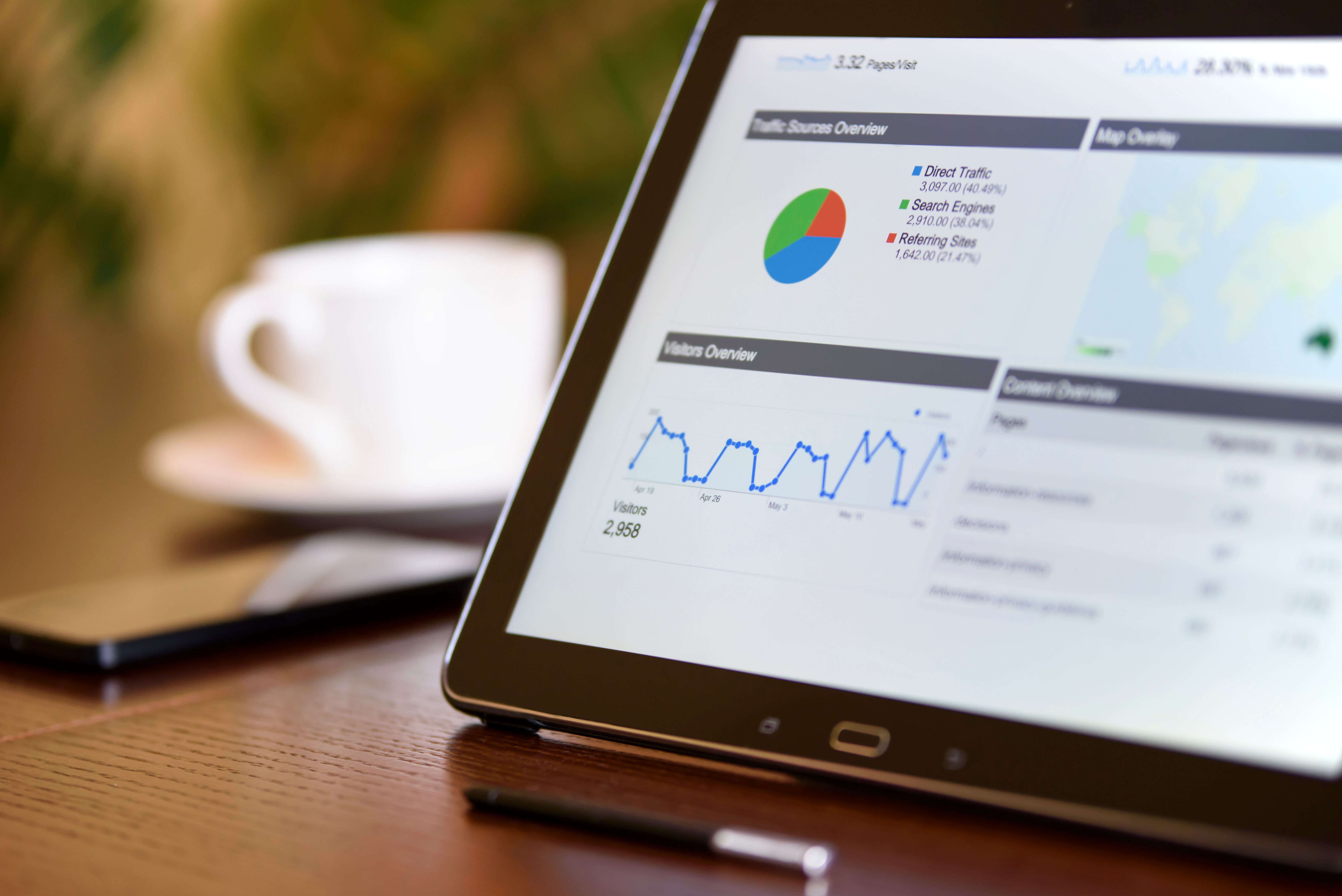
Google Analytics 4 continues to shape how website owners understand performance, user behaviour and organic traffic quality. For SEO teams, the important point is not just that GA4 measures visits differently from older analytics setups, but that its event-based model changes how you interpret engagement, conversions and content value.
If you rely on organic search to drive leads, sales or readership, GA4 deserves regular attention. Its reports can help you spot changes in search visibility, identify pages that attract qualified traffic, and uncover technical or content issues that affect the user journey. Used well, it can also support broader SEO work across Search Console, site performance, local visibility and ecommerce tracking.
Why GA4 matters for SEO now
GA4 is more than a reporting dashboard. It affects how marketers assess landing pages, measure engagement and connect website activity to business outcomes. That matters for SEO because rankings alone do not tell the full story. A page can attract traffic but fail to convert, or it can perform well for one audience segment and poorly for another.
For website owners, the value of GA4 lies in its ability to show what happens after a user clicks from search. That includes scroll depth, form submissions, product views, checkout steps and other interactions that reveal intent. These signals help you judge whether search visibility is bringing the right audience, not just more visits.
If you want to compare GA4 insights with technical crawl data or Search Console performance, tools such as Google Search Console remain essential companions to analytics. Together, they show both how users find your pages and what they do next.
How GA4 changes the way SEO performance is measured
One of the biggest practical changes in GA4 is the move towards event-based tracking. Instead of treating pageviews as the main unit of analysis, GA4 tracks actions and user interactions. For SEO, this is helpful because it can show whether organic visitors engage with content in a meaningful way.
Engagement signals are more important
High traffic does not always mean strong organic performance. GA4 lets you look beyond sessions and review engagement rate, event counts and key events. This can help identify pages that satisfy search intent, as well as pages that may need stronger internal links, better copy, clearer calls to action or improved layout.
Attribution requires more careful reading
GA4 can be useful for understanding assisted conversions and multi-step journeys, but attribution is never simple. Organic search may introduce the user, while another channel closes the conversion later. Website owners should avoid making assumptions from a single report and instead connect GA4 with content clusters, landing page paths and conversion journeys.
What website owners should check in GA4 and Search Console
SEO teams should review whether GA4 is configured to capture the most important website actions. This includes form submissions, purchases, calls, newsletter sign-ups, video plays and other business-relevant events. Without these, it is hard to judge whether organic traffic is supporting growth.
It is also worth checking landing page performance by channel. For example, compare organic users with paid or referral traffic to see which content brings qualified visits and which pages need improvement. If one page attracts search traffic but has a poor engagement rate, the issue may be search intent mismatch, slow load times, weak content structure or intrusive design.
For technical SEO, GA4 can help highlight pages with unusual drops in engagement or traffic patterns. Combined with Search Console, that may point to indexing issues, broken templates, content pruning mistakes, or mobile usability problems. If you are auditing a site, a free website SEO audit can help structure the review process.
SEO impact across content, technical and ecommerce pages
GA4 is especially useful when viewed through the lens of page type. Blog content, service pages, location pages and product pages all have different goals, so they should not be measured in the same way.
Content SEO
For informational content, watch whether organic visits lead to deeper site exploration. If users land on a post and leave quickly, the issue may be content depth, headings, internal linking or whether the page answers the query clearly enough. GA4 can help identify which articles support discovery and which need refreshes.
Local SEO
For local businesses, GA4 can reveal whether users from search are reaching contact pages, directions pages or location pages. This is useful when measuring visibility for local intent queries. If mobile traffic is high but conversions are low, the page may need clearer local signals, faster load times or easier contact options.
Ecommerce SEO
For online shops, GA4 is valuable for tracking product discovery and checkout behaviour. Organic visitors may browse several products before converting, so it helps to monitor product list views, add-to-cart actions and checkout drop-off. That can point to weak category pages, poor product descriptions or friction in the buying path.
Technical SEO and website performance considerations
GA4 does not replace a technical SEO crawl, but it can support one. If a group of pages shows declining engagement or lower organic entrances, you should check whether the cause is page speed, template issues, mobile rendering problems or poor content hierarchy.
Website performance remains a major part of search visibility. Slow or unstable pages can hurt user experience, and that can affect how well content performs in search over time. Use GA4 trends to spot pages that deserve deeper investigation, then validate them with performance tools such as PageSpeed Insights.
WordPress site owners should also review whether plugins, themes or tracking setups are inflating page weight or creating duplicate event data. Clean tracking is important because noisy data makes it harder to see what is really happening across organic landing pages.
How AI search and algorithm changes affect the value of GA4 data
Search visibility is changing as Google continues to refine how it presents information and evaluates useful content. AI-assisted search experiences, answer-rich results and more nuanced ranking systems mean that click patterns can shift even when impressions stay strong. That makes behavioural data in GA4 more valuable, because it can show whether users who do click are still finding what they need.
This is where analytics and SEO strategy overlap. If a page is attracting fewer clicks from the same search demand, that may reflect a snippet issue, a changing result layout or stronger competition. If clicks remain stable but engagement falls, the content may no longer match user intent as well as it once did. In both cases, GA4 helps you make better editorial and technical decisions.
For ongoing SEO education and practical guidance, Backlink Works publishes useful analysis for site owners who want to connect search data with content and technical improvements.
Practical checklist for using GA4 more effectively
- Confirm that key events are tracked for leads, sales and other business goals.
- Review organic landing pages by engagement rate, not just sessions.
- Compare content types separately, including blog posts, service pages and product pages.
- Cross-check GA4 with Search Console to understand visibility and click behaviour.
- Investigate low-performing pages for intent mismatch, speed issues or weak internal linking.
- Monitor device-level behaviour, especially for mobile SEO and local search.
Conclusion
GA4 remains a core part of modern SEO reporting because it helps website owners understand what organic traffic does after it arrives. Used alongside Search Console and performance tools, it can reveal whether search visibility is delivering meaningful engagement, conversions and growth.
The main takeaway is simple: do not treat GA4 as a replacement for SEO judgement. Use it as a decision-making layer that connects rankings, crawlability, user behaviour and business outcomes. That approach is more useful than chasing isolated metrics and gives you a clearer view of how your site performs in search.
Frequently Asked Questions
Why is GA4 important for SEO?
GA4 helps you see how organic visitors behave after they arrive, which makes it easier to assess content quality, landing page performance and conversion paths.
Should I use GA4 and Search Console together?
Yes. Search Console shows search performance, while GA4 shows user behaviour on the site. Together they give a fuller view of SEO results.
Can GA4 help with technical SEO?
It can highlight pages with unusual engagement or conversion patterns, which may point to technical issues that need a deeper crawl or performance review.
Does GA4 replace traditional SEO reporting?
No. GA4 is a useful part of SEO reporting, but it should be combined with ranking data, crawl analysis and search performance metrics.
- Sponsored Ad -





