
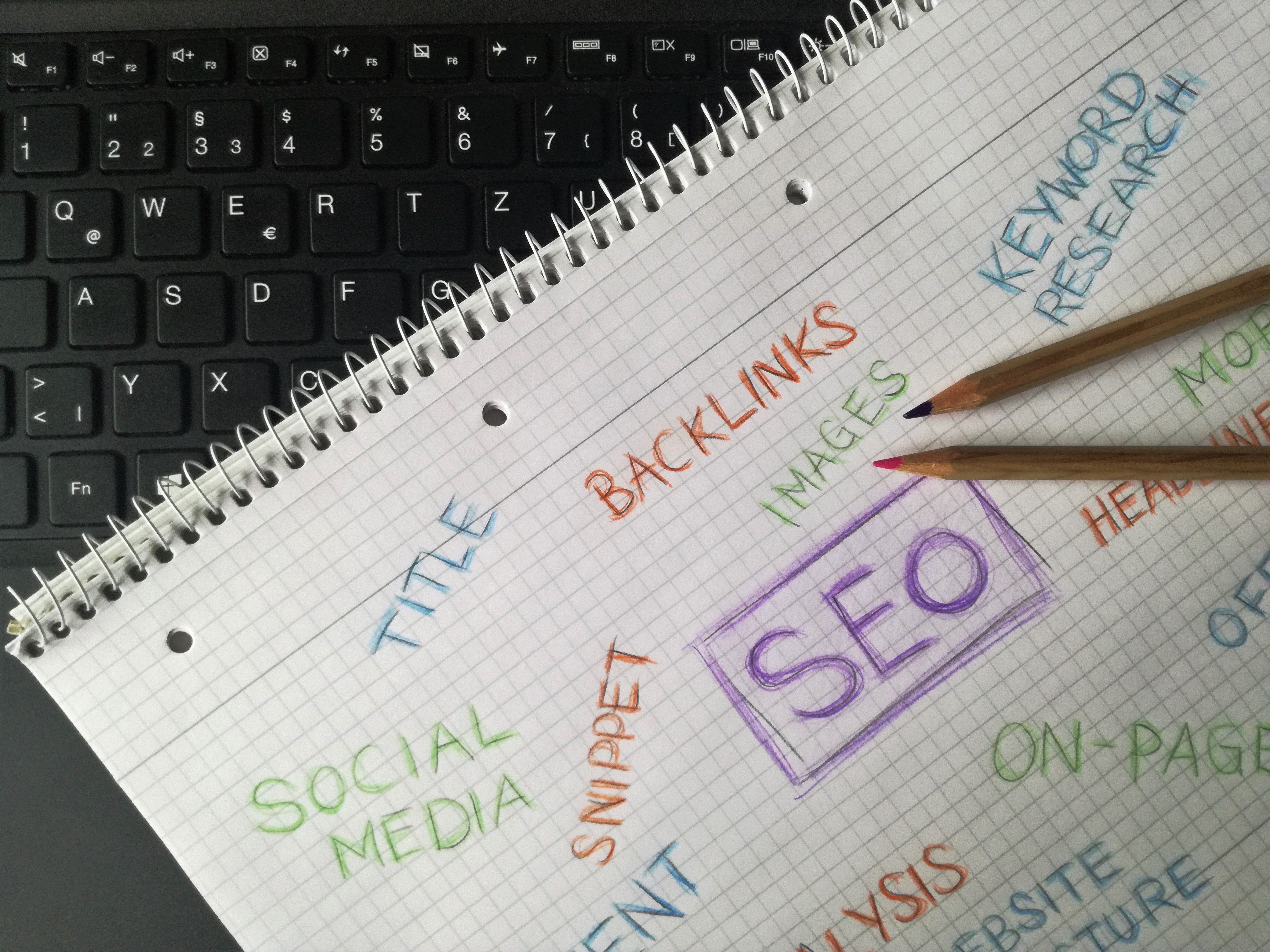
Google-safe off-page SEO is about earning trust the right way. For websites in India, that means building backlinks that support long-term visibility without triggering avoidable penalties, quality issues, or unnatural link patterns.
If you are a website owner, blogger, digital marketer, SEO beginner, agency professional, or business owner, the goal is not simply to collect links. The real aim is to improve organic visibility with relevant, credible, and well-placed backlinks that look natural to Google and useful to real people.
What Google-Safe Off-Page SEO Means
Off-page SEO covers everything that happens outside your website to improve search performance, with backlinks being one of the most important signals. Google-safe off-page SEO focuses on quality, relevance, and consistency rather than speed, volume, or manipulation. It is a white-hat approach that helps a site grow steadily.
In practice, this means earning links from websites that make sense for your industry, audience, and location. A local Indian business, for example, benefits more from a relevant industry blog, directory, media mention, or partner site than from a large number of unrelated low-quality links.
If you want a structured overview of safe link building, the backlink building guide is a useful starting point for understanding the basics before you scale your efforts.
Backlink Quality Matters More Than Quantity
Not all backlinks carry the same value. A single relevant link from a trusted site can be more useful than dozens of weak links from pages with little authority, poor indexing, or irrelevant topics. Google evaluates patterns, context, and usefulness, so link quality should always come first.
When assessing backlink quality, look at:
- Topical relevance to your website or niche
- Natural placement within useful content
- Clear editorial value for readers
- Reasonable authority and trust signals
- Proper indexing so the link can be discovered by search engines
For many website owners, especially in competitive Indian markets, quality backlinks help support organic ranking improvement more reliably than mass link acquisition. If you are comparing link sources, tools like Ahrefs can help you review referring domains, authority, and relevance in a practical way.
Safe Link Building Strategies for India
Safe backlink building in India should reflect your audience and business goals. Local relevance matters, particularly for businesses that serve cities, regions, or national audiences with Indian search intent. The best off-page strategies are usually simple, useful, and easy to defend if reviewed manually.
Use content that earns links naturally
Publish resources people actually want to reference, such as guides, comparisons, industry explainers, checklists, or local insights. If your content solves a problem clearly, other sites are more likely to link to it without pressure or exchange schemes.
Focus on relevant outreach
Reach out to bloggers, journalists, partners, suppliers, and niche publications that genuinely match your subject area. Personalised outreach works better than mass emailing and is much safer than automated link blasts.
Build links from real relationships
Partnerships, guest contributions, interviews, testimonials, and community mentions can create natural backlink opportunities. These methods work well for agencies, small businesses, and professionals because the link makes sense in context.
For a practical view of how links are created safely, you can review the backlink building process and adapt it to your own workflow.
Anchor Text, Dofollow, Nofollow, and Relevance
Anchor text is the clickable text in a link. Safe off-page SEO uses anchor text that looks natural and varied. Over-optimised anchors repeated too often can appear manipulative, especially when they all point to the same page with exact-match phrases.
A healthy backlink profile usually includes a mix of branded anchors, URL anchors, partial-match anchors, and natural phrases. This balance helps the profile look organic and reduces the risk of patterns that stand out for the wrong reasons.
Dofollow links can pass stronger SEO value, while nofollow links may still be useful for traffic, visibility, and link diversity. A safe backlink profile often includes both. The goal is not to chase only one link type, but to build a natural mix that reflects real web behaviour.
Backlink Indexing and Why It Still Matters
A backlink only helps if search engines can discover and process it. That is why indexing matters. If a link is placed on a page that is not crawled often, blocked, or poorly structured, it may take longer to be recognised. In some cases, it may offer little practical SEO benefit.
Good indexing starts with placing links on pages that are accessible, internally linked, and part of a healthy website. Avoid chasing links from pages with obvious crawl issues or from sites that barely get indexed themselves. If indexing support is needed, use safe and legitimate methods rather than shortcuts.
For teams that want to understand discovery and crawl support more deeply, backlink indexing can be a useful topic to review alongside your wider off-page strategy.
Best Practices for Google-Safe Backlinks
The safest backlink strategies are usually the most sustainable. They focus on usefulness, relevance, and gradual growth rather than shortcuts. This is especially important for Indian businesses competing in crowded search results, where aggressive tactics can create more risk than value.
- Earn links from relevant websites and topics
- Prefer editorial mentions over forced placements
- Use natural anchor text instead of repeated exact-match phrases
- Check that linking pages are indexable and maintained
- Build links steadily rather than in unnatural bursts
- Combine backlinks with strong on-page SEO and helpful content
- Review link sources for trust, context, and audience fit
If you are comparing safe backlink options, Google-safe backlinks is a relevant resource for understanding what a cautious, white-hat approach looks like in practice. It can also help agencies and business owners avoid low-quality link decisions.
Common Mistakes to Avoid
Many backlink problems come from rushing the process. Safe off-page SEO is not about avoiding effort; it is about avoiding patterns that look unnatural or low value. The most common issues usually come from chasing quantity instead of trust.
- Buying irrelevant links without checking quality
- Using the same anchor text repeatedly
- Getting links from thin, low-value pages
- Ignoring whether the backlink page is indexed
- Relying on automated or spam-heavy link methods
- Focusing on backlinks while neglecting content quality
Some teams also make the mistake of treating backlink buying as a shortcut. If you explore paid link acquisition, use it carefully, with a clear quality filter and a focus on relevance. Backlink Works can be a helpful backlink building and SEO learning resource when you want to understand safe approaches without relying on risky shortcuts.
Practical Checklist
Before you publish or acquire a backlink, check the following points to keep your off-page SEO Google-safe:
- Does the linking page match my niche or audience?
- Will the backlink appear in natural, readable content?
- Is the domain trustworthy and reasonably maintained?
- Is the anchor text natural and varied?
- Can search engines likely crawl and index the page?
- Does the link support a real user need?
- Is the link part of a balanced backlink profile?
Running through this checklist regularly helps protect your site from avoidable mistakes and keeps your link building aligned with long-term organic growth.
Conclusion
Google-safe off-page SEO is about building credibility, not gaming the system. For SEO backlinks in India, the best results usually come from relevant, high-quality links placed in natural contexts, supported by useful content and steady outreach.
If you want sustainable organic ranking improvement, think beyond raw link counts. Focus on quality, relevance, indexing, anchor text balance, and safe link acquisition habits. Over time, this approach gives your website a stronger and more durable search presence.
Frequently Asked Questions
What makes a backlink Google-safe?
A Google-safe backlink comes from a relevant, trustworthy page and is placed naturally within useful content. It should not rely on spam, hidden placements, excessive repetition, or manipulative tactics. The safest links usually look editorial, helpful, and contextually relevant to the reader.
Are nofollow backlinks useful for SEO?
Yes, nofollow backlinks can still be useful. They may not pass the same direct signals as dofollow links, but they can drive traffic, improve link diversity, and support natural backlink profiles. A healthy off-page strategy often includes both link types rather than only one.
How important is backlink indexing?
Backlink indexing matters because a link that search engines cannot discover may provide limited value. Links on crawlable, well-structured pages are more likely to be recognised properly. Good indexing support starts with choosing quality websites that are easy for search engines to reach.
Should I buy backlinks for my website in India?
Buying backlinks can be risky if quality, relevance, and placement are ignored. If you consider paid link acquisition, focus on safety and editorial value rather than volume. The best approach is to treat backlinks as part of a wider SEO strategy, not a replacement for strong content and technical health.
- Sponsored Ad -





