
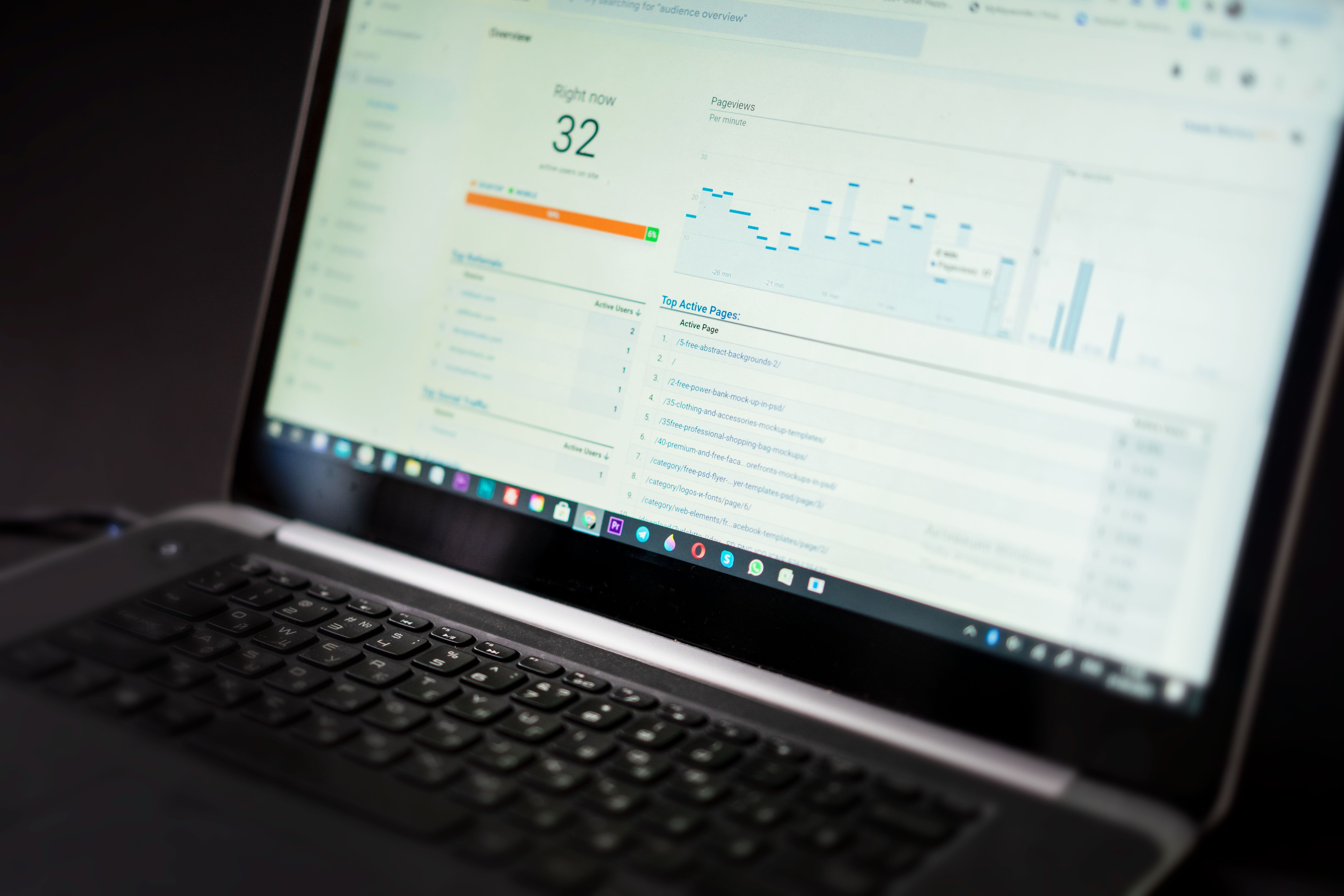
Google Search Console remains one of the most important sources of truth for SEO visibility tracking. It helps website owners see how Google is finding, crawling, indexing, and surfacing their pages in search, even when rankings and traffic patterns shift for reasons that are not always obvious.
For SEO teams, the value of Search Console is not just in monitoring clicks and impressions. It is also in understanding how search behaviour, technical performance, content quality, and indexing signals interact. That makes it especially useful when evaluating changes in organic visibility across informational sites, local businesses, ecommerce stores, and WordPress websites.
Why Google Search Console matters for visibility tracking
Search Console is often the first place to check when organic performance changes. It can show whether a drop in traffic is linked to fewer impressions, weaker average position, lower click-through rate, indexing issues, or changes in how Google is interpreting page relevance.
This matters because visibility is broader than rankings alone. A page may still appear in search results but lose clicks if the title, snippet, or intent match no longer feels compelling. It can also gain impressions without gaining traffic if Google is testing different queries or showing the page for a wider set of searches.
For practical SEO reporting, this means Search Console should be viewed alongside analytics and performance tools rather than in isolation. If you want a broader technical review, a free website SEO audit can help identify issues that may affect crawlability, indexation, and search visibility.
What has changed in how visibility is understood
Search visibility tracking has become more complex as Google surfaces more varied result types, richer snippets, and AI-influenced search experiences. Website owners are no longer only competing for the classic blue-link result. They are also competing for attention within people-first content summaries, local packs, shopping results, video carousels, and other SERP features.
That means Search Console data should be read with more context. A stable ranking position does not always translate into stable traffic if the search results page itself changes. Likewise, a page may benefit from more impressions across a wider query set without seeing proportional clicks.
This is particularly relevant for SEO news monitoring, because algorithm adjustments and interface changes often affect how users interact with search results before they affect raw rankings in a simple way. In practice, the strongest reports focus on trends across queries, page groups, device types, and country or location patterns.
How AI search updates influence Search Console analysis
AI search experiences are changing user behaviour and the way search visibility is measured. When search engines answer more questions directly, users may click less often on some informational queries, even when a page continues to rank well. This can make performance look weaker unless you separate visibility from traffic.
For content publishers, this means it is worth checking whether key pages are still attracting impressions for their target topics. If impressions hold steady but clicks fall, the issue may be less about ranking and more about the search result environment. Titles, meta descriptions, structured data, and content freshness can still influence whether users choose your result.
Helpful-content signals matter here too. Google’s guidance on people-first content is a useful benchmark for reviewing pages that have lost traction. You can review it in the official Search Central guidance on helpful content.
Technical SEO signals that Search Console can reveal
One of the most useful parts of Search Console is the ability to spot technical bottlenecks before they become major visibility problems. Coverage reports, page indexing status, sitemaps, and manual inspection tools can all help explain why a page is not appearing as expected.
Common issues include pages being discovered but not indexed, canonicalisation conflicts, soft 404 patterns, noindex tags, blocked resources, and poor internal linking. For WordPress sites, plugin settings, theme changes, and caching layers can also affect what Google can crawl and index.
Core Web Vitals and page experience are also worth watching, because performance issues can reduce usability even when content quality is strong. For a performance check, tools such as PageSpeed Insights can complement Search Console data by showing where loading or responsiveness issues may affect users.
What marketers should monitor for ranking and content changes
When visibility shifts, the best response is to compare page-level data rather than rely on sitewide averages. Look at which queries are rising or falling, whether certain templates are affected, and whether mobile and desktop behaviour differ.
It also helps to check whether changes are concentrated in one content type. Informational content may be more sensitive to intent changes and AI summaries, while product pages may be more affected by ecommerce schema, stock data, or category architecture. Local pages can be influenced by map pack visibility, proximity, and business profile quality.
If you manage several content clusters, use Search Console to identify pages with declining impressions but stable rankings, because those often need stronger titles, fresher copy, better internal links, or improved structured data rather than a full rewrite.
Practical next steps for website owners
The most effective response to Search Console changes is a structured review. Start by confirming whether the issue is technical, content-related, or tied to search result presentation. Then work through the affected pages in order of business value.
Useful actions include checking indexing status, validating sitemap coverage, reviewing canonical tags, improving internal links, refreshing outdated content, and making sure product or location pages answer the current search intent. If your site depends heavily on organic acquisition, a broader review of the backlink building process may also help strengthen authority signals over time, provided the approach remains natural and relevant.
For agencies and in-house teams, the key is to track visibility trends consistently rather than react to every short-term fluctuation. Search Console is strongest when used as part of a repeatable reporting process that combines indexing, performance, and content analysis.
Key takeaways for SEO visibility tracking
Search Console is still essential for understanding how Google sees your site, but visibility now needs to be measured more holistically than a simple rank report.
Track impressions, clicks, query patterns, indexing status, and page performance together. Pay close attention to changes in SERP layouts, AI-influenced search behaviour, and technical issues that can quietly reduce exposure.
For practical ongoing checks, Backlink Works also offers resources that support SEO education and audit planning without overcomplicating the process.
Conclusion
Google Search Console remains one of the clearest ways to monitor search visibility, but its real value comes from interpretation. Rankings, impressions, and clicks can all move for different reasons, and those shifts often reflect broader changes in search behaviour, content relevance, and site health.
Website owners, marketers, and SEO professionals should treat Search Console as an analysis tool rather than a simple scorecard. When used carefully, it can highlight technical issues, reveal content opportunities, and show where search visibility is changing across informational, local, ecommerce, and WordPress-driven sites.
Frequently Asked Questions
How often should I check Google Search Console?
Weekly checks are usually enough for most sites, with deeper reviews after major traffic or indexing changes.
Why do impressions change even when rankings look stable?
Search result layouts, query mix, and user behaviour can all affect impressions without a major ranking shift.
Can Search Console show AI search traffic directly?
It does not label AI search traffic specifically, so you need to review overall search trends and query patterns carefully.
What is the most useful report for spotting visibility issues?
The Performance report is often the best starting point because it shows clicks, impressions, CTR, and average position together.
- Sponsored Ad -





