
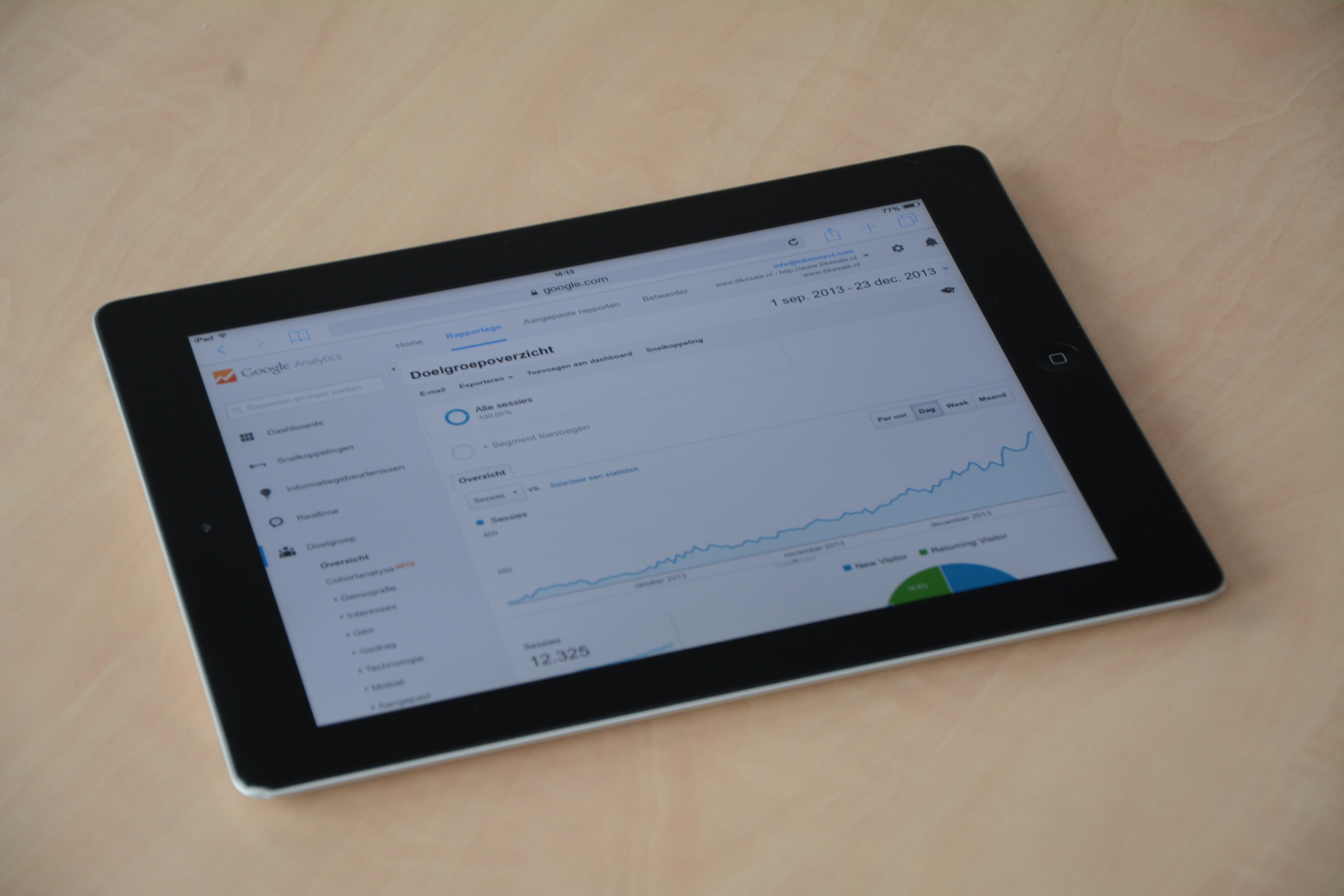
Google Search Console remains one of the most useful free tools for understanding how a website performs in Google Search. For marketers, it is often the first place to spot indexing issues, page experience concerns, query changes, and shifts in visibility before they show up anywhere else.
When new features are added, even subtle ones can change how teams diagnose SEO problems and prioritise fixes. That matters for content strategy, technical SEO, local visibility, ecommerce performance, and any site that relies on organic search traffic.
Why Google Search Console updates matter for SEO
Search Console is not a ranking tool, but it is a direct line into Google’s view of a site. New reports, filters, and interface changes can help marketers understand whether pages are being crawled, indexed, or served to users as intended.
That makes updates important for both strategy and execution. A clearer report can speed up technical troubleshooting. Better query data can improve content planning. More practical alerts can help teams spot search visibility changes sooner, especially when rankings or traffic look unstable.
New features marketers should know how to use
The most valuable Search Console improvements are usually the ones that make existing data easier to act on. That can include clearer performance views, more accessible indexing feedback, or better ways to inspect how Google handles page variants and search snippets.
For SEO teams, the key is not simply noticing a new button or menu. It is understanding how that feature changes the workflow. If a report helps you separate branded from non-branded queries more cleanly, that can sharpen content analysis. If a page inspection view makes canonical issues easier to spot, that can support faster technical fixes.
Practical examples of what to watch
Marketers should pay attention to whether Search Console helps them identify:
Pages that are discovered but not indexed
Changes in impressions, clicks, and average position by page type or query type
Structured data and rich result issues
Mobile usability or page experience signals that may affect crawling and visibility
How Search Console supports technical SEO work
Technical SEO often depends on diagnosis before action. Search Console is useful because it shows whether Google can access pages, whether URLs are canonicalised as expected, and whether sitemap submissions align with indexed pages.
This is especially important for larger sites, ecommerce catalogues, and WordPress builds where faceted navigation, duplicate templates, or plugin conflicts can create index bloat. When updates make inspection easier, teams can spend less time searching for symptoms and more time fixing the cause.
For a broader technical review, many site owners pair Search Console with a free website SEO audit so they can compare Google’s signals with on-site issues such as metadata, crawlability, and internal linking.
Impact on content SEO, AI search, and search visibility trends
Search visibility is becoming more fragmented as Google evolves how it presents information, including richer search features and AI-influenced experiences. Search Console remains important because it helps teams monitor performance even when click patterns shift and users discover information in different ways.
For content SEO, that means focusing on pages that answer real search intent clearly and consistently. If impressions are rising but clicks are flat, the issue may be weaker titles, less competitive snippets, or changing search results layouts. If a topic cluster starts losing queries, the content may need refreshing or better internal linking rather than a full rewrite.
Marketers should also keep an eye on query trends. Search Console can reveal new phrasing, emerging subtopics, and intent shifts that affect how content should be structured. For teams planning content updates, the official helpful content guidance from Google is a sensible reference point.
What local SEO and ecommerce teams should review
Local businesses should use Search Console to check whether location pages, service pages, and local landing pages are being indexed correctly. If search visibility drops for location-based queries, the issue may be duplicate content, weak page differentiation, or poor internal linking between service areas.
Ecommerce teams should be especially attentive to product and category page performance. Search Console can highlight pages that gain impressions but fail to earn clicks, which often suggests title tag improvements, more precise product naming, or richer category copy. It can also expose crawl inefficiencies on large catalogues, where filters and variants create unnecessary URLs.
For teams building authority alongside technical improvements, website backlinks can support overall discoverability when used as part of a wider SEO strategy.
WordPress, performance, and indexing checks to prioritise
WordPress users should make Search Console part of routine maintenance. Plugin changes, theme updates, and content revisions can all affect metadata, sitemaps, canonical tags, and page rendering. Search Console is often the fastest way to spot whether Google is reading the site differently after a change.
Website performance also matters more than many teams expect. If pages are slow, unstable, or difficult to render, crawling and indexing can become less efficient. Search Console does not replace performance tools, but it helps show whether technical improvements are translating into better search coverage.
When checking speed and user experience, it can be useful to compare Search Console findings with PageSpeed Insights so you can connect visibility issues with performance data.
What marketers should do next
Rather than treating Search Console as a reporting dashboard only, marketers should use it as an action tool. The best approach is to build a repeatable review process and use new features to sharpen it.
Key takeaways:
- Review performance by page type, query type, and device, not just overall site totals.
- Check indexing, canonicalisation, and sitemap coverage after content or template changes.
- Use query data to refine titles, headings, and search intent alignment.
- Monitor rich result and page experience signals alongside rankings and traffic.
- Keep an eye on search visibility trends across content, local, ecommerce, and WordPress pages.
If your team needs a broader SEO benchmark, Backlink Works can be a useful reference point for practical education and auditing ideas without overcomplicating the process.
Conclusion
Google Search Console updates matter because they shape how marketers identify problems and opportunities across the full search funnel. Even when changes are small, they can improve the quality of SEO decisions around content, crawling, indexing, performance, and visibility.
The main takeaway is simple: keep Search Console active in your SEO workflow, review its signals regularly, and use new features to make your analysis more precise. That approach will not guarantee rankings, but it can help you respond faster to search changes and make better decisions for long-term organic growth.
Frequently Asked Questions
What is the main value of Google Search Console for marketers?
It shows how Google sees your site, including queries, indexing status, and page performance.
How should I use new Search Console features?
Use them to improve diagnosis, identify page-level issues faster, and refine content or technical priorities.
Does Search Console show ranking changes directly?
It does not show rankings in the same way as some SEO tools, but it does show performance trends that help explain visibility changes.
Should ecommerce and local sites use Search Console differently?
Yes. Ecommerce sites should focus on product and category indexing, while local sites should watch location pages and query trends closely.
- Sponsored Ad -





