
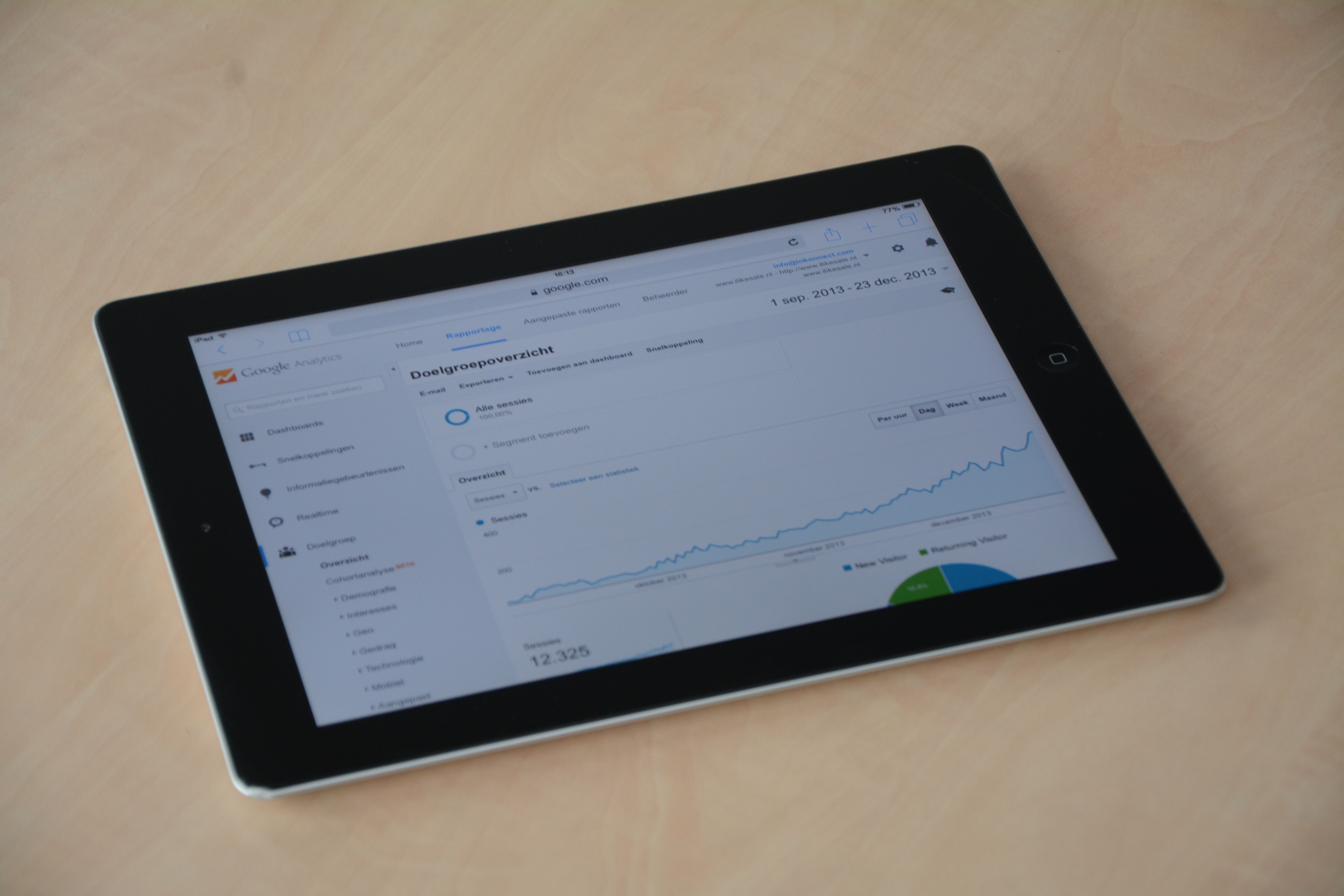
Search visibility can shift for many reasons, even when there is no single major announcement from Google. Changes in rankings, snippets, crawling, indexing, and AI-led search experiences often reflect a mix of algorithmic refinement, site quality signals, and technical performance. For website owners, the key is to understand what may be moving the needle rather than chasing every fluctuation.
That is why Google Search visibility updates are worth watching through a practical SEO lens. Whether you manage a blog, ecommerce store, local business site, or WordPress build, the most useful response is to review what changed in search performance, check technical health, and strengthen content quality and trust signals. For a broader SEO review, a free website SEO audit can help surface issues that affect visibility.
What Google search visibility updates usually mean
When visibility changes, it does not always point to one confirmed Google update. It can reflect normal ranking movement, adjustments in how content is evaluated, changes in search intent, or improvements in Google’s understanding of page quality and relevance.
In practical terms, search visibility updates can affect:
organic rankings, impressions, click-through rates, featured snippets, local pack visibility, product page performance, and how often content appears in AI-assisted or enhanced search experiences.
For SEO professionals, the most useful approach is to separate signal from noise. A single keyword drop does not always mean a site-wide problem. Look at patterns across page types, device segments, countries, and query groups before making changes.
Ranking changes are often tied to content quality and search intent
One of the most common reasons for visibility movement is a better match between search intent and the page that ranks. Google continues to refine how it reads whether a page answers the query clearly, fully, and credibly.
This matters for blogs, guides, service pages, and category pages alike. If content is broad but thin, repeats information, or fails to satisfy the intent behind the keyword, it may lose visibility to pages that are more focused and useful.
Website owners should review pages that gained or lost traffic and ask simple questions: Does the page answer the query directly? Is the information current and easy to scan? Does it show first-hand experience, product detail, or local relevance where appropriate?
For teams working on larger content libraries, Google’s own guidance on helpful content principles is a useful reference point when reviewing pages that may be underperforming.
Technical SEO and crawling issues can change visibility quickly
Sometimes visibility drops are not caused by content at all. Technical SEO issues can reduce crawling efficiency, block indexing, or weaken page experience signals. Common causes include broken internal links, poor canonicals, redirect chains, JavaScript rendering issues, thin sitemap coverage, or accidental noindex tags.
Search Console remains one of the most important places to check when visibility changes. Coverage, indexing, page experience, and performance reports can reveal whether Google is struggling to crawl, render, or trust key URLs.
Website performance also plays a role. Slow pages and unstable layouts may not create an immediate ranking penalty, but they can still affect engagement and reduce the chance of strong visibility over time. Tools such as PageSpeed Insights are useful for spotting performance bottlenecks that can affect user experience and search behaviour.
WordPress users should pay attention to plugin conflicts, theme updates, caching settings, and image optimisation. Even small technical changes can influence indexation, mobile usability, and how well a site competes in search results.
AI search updates are changing how visibility is measured
AI-assisted search features are changing the way some users discover information. That means visibility is no longer only about traditional blue-link rankings. Content may be surfaced, summarised, or compared across multiple sources before a user clicks through.
For marketers, this increases the value of clear structure, topical depth, and strong entity signals. Pages that explain a subject well, use concise headings, and demonstrate practical expertise are better placed to be understood by both search systems and users.
It also means branded search behaviour may shift. Some visitors may get answers faster in the results page, while others may click later in the journey after comparing sources. Monitoring impressions, clicks, and query groups in Search Console gives a better picture than tracking rankings alone.
Local and ecommerce sites should watch page-level changes closely
Local SEO visibility can move when Google reinterprets location relevance, review signals, or service detail. Businesses with multiple locations should make sure each location page has unique content, accurate NAP information, opening hours, and a clear connection to the local area.
Ecommerce sites often see movement in category pages, product pages, and faceted navigation. Search visibility can be affected by duplicate variants, weak product descriptions, poor internal linking, or index bloat from filters and parameters.
It is also worth checking structured data, especially for product, breadcrumb, and review markup. Clean implementation helps search engines understand your content more accurately, although markup alone will not guarantee stronger rankings.
What to check and improve after visibility shifts
When rankings or traffic change, a measured review is better than a quick rewrite. Start with the pages and queries that changed most, then compare them with pages that held steady or improved.
- Review Search Console impressions, clicks, average position, and query patterns.
- Check whether the page still matches search intent and user expectations.
- Audit technical signals such as indexability, canonical tags, and internal links.
- Look at page speed, mobile usability, and layout stability.
- Refresh content only where it improves accuracy, depth, or clarity.
If your site depends on link authority as part of a broader SEO strategy, make sure your backlinks are relevant and sustainable rather than risky or unnatural. Backlink Works also provides educational resources such as the backlink building process guide for teams that want a clearer understanding of off-page SEO.
Key takeaway: visibility changes are usually best handled by combining content review, technical checks, and performance monitoring rather than reacting to one ranking movement in isolation.
Conclusion
Search visibility updates are rarely about one simple cause. They often reflect a combination of content quality, technical health, user experience, and Google’s evolving understanding of relevance. The most reliable response is to review page-level data, fix crawl and indexation issues, strengthen content usefulness, and track how different query groups behave over time.
For SEO teams, agencies, and business owners, that means treating visibility changes as an opportunity to improve the site rather than a signal to chase short-term fixes. A steady, evidence-based approach is more likely to support durable organic performance across Google Search, AI-led results, local listings, and ecommerce discovery.
Frequently Asked Questions
Why did my rankings change if Google did not announce an update?
Rankings can shift because of normal algorithmic movement, competitor changes, content relevance, or technical issues on your site.
What should I check first after a visibility drop?
Start with Search Console, then review the affected pages for indexing issues, content quality, internal links, and page speed.
Do AI search features change SEO strategy?
Yes. They make clear structure, trustworthy content, and strong topical coverage more important for visibility and click behaviour.
Can technical SEO improve search visibility on its own?
It can support visibility by helping Google crawl and understand your pages, but content relevance and quality still matter.
- Sponsored Ad -





