
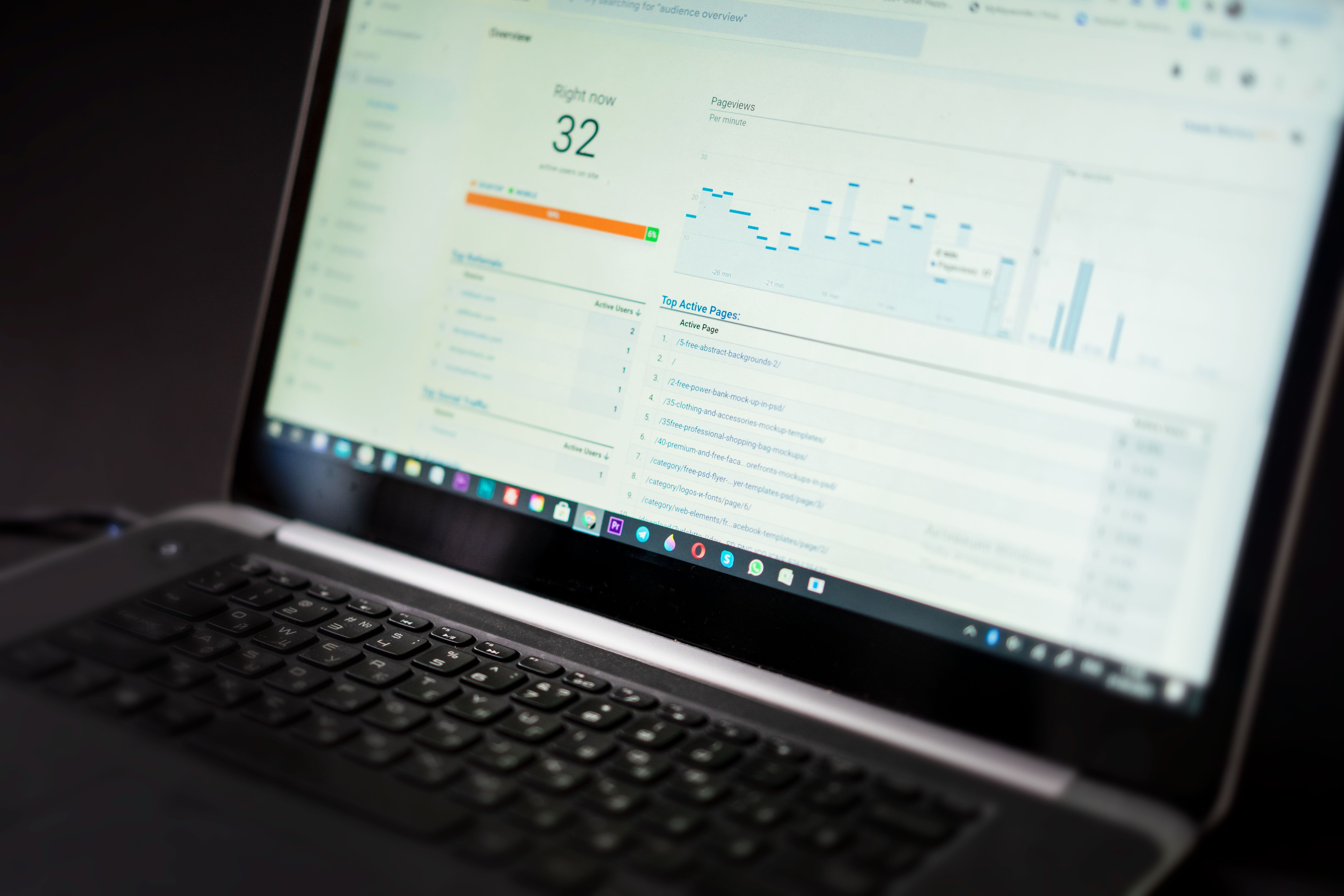
Google search is constantly evolving, and SEO teams need to read changes carefully rather than react to every movement in the rankings. A Google SEO report is most useful when it helps website owners understand what may be influencing visibility, crawlability, content relevance, and user experience across search.
This article looks at the latest algorithm themes, ranking impact patterns, and practical steps that businesses, publishers, ecommerce sites, and WordPress users should keep in mind. It focuses on what tends to matter when search results shift: content quality, technical stability, page performance, AI-assisted search experiences, and how clearly a site serves user intent.
What a Google SEO report should help you understand
A good SEO report does not just track keyword positions. It should connect ranking changes with broader search signals such as indexing, page speed, internal linking, structured data, content relevance, and whether pages match what users are trying to find.
Google’s search systems rely on many signals, and not every ranking fluctuation means there has been an official algorithm update. Some changes come from site-level technical issues, content quality shifts, competitor improvements, or search results being reshaped by AI summaries and other interface changes.
For website owners, the key question is not “did rankings move?” but “what changed in crawlability, content value, or user experience that could explain the movement?”
Latest algorithm themes shaping ranking impact
Google’s public guidance continues to emphasise helpful content, page experience, and technically accessible pages. That means websites are more likely to perform well when they offer original, useful, well-structured information that can be crawled easily and loaded quickly.
In practical terms, pages that are thin, repetitive, over-optimised, or difficult to navigate can struggle to maintain search visibility. On the other hand, pages with clear intent, strong topical coverage, and useful supporting media tend to be easier for both search engines and users to trust.
For businesses using SEO tools or working with an agency, this is a good time to compare ranking changes with crawl reports, page indexing data, and content performance. A drop in one page may be linked to technical indexing issues, while a broader decline may point to content quality or intent mismatch.
AI search updates and the changing search experience
AI-driven search features have changed how some users interact with results pages. For publishers and brands, that can affect click-through rates even when visibility remains strong. In other words, being seen in search does not always translate into the same level of traffic as before.
This makes content structure more important. Pages should answer the main query clearly, support important claims with context, and use headings that help search engines understand the subject quickly. Concise summaries, FAQs, and well-organised sections can help pages remain useful in more AI-shaped search environments.
Website owners should also review whether their content covers the full topic rather than just a narrow keyword. Broader topic depth can improve the chances of earning visibility across related queries, especially where users expect practical guidance rather than short answers.
Technical SEO and Search Console signals to watch
Technical SEO remains central to search performance because even strong content cannot rank well if pages are not properly crawled or indexed. Search Console is one of the most useful places to monitor coverage issues, indexing behaviour, page experience signals, and manual actions if they occur.
When rankings change, check for pages that are excluded from indexing, blocked by robots rules, canonicalised incorrectly, or slowed down by heavy scripts and uncompressed assets. Technical issues can reduce visibility without affecting every page equally, which is why a page-by-page review matters.
If you want a quick benchmark of technical and content health, a free website SEO audit can help identify issues worth prioritising before they affect more of the site.
For official guidance on how Google expects websites to be built for search, the SEO Starter Guide is a useful reference.
Content SEO, local SEO, ecommerce, and WordPress implications
Content SEO changes are often felt first on informational pages. If a site publishes many similar articles, Google may choose the clearest and most authoritative version. That means originality, expert context, and clean internal linking are increasingly important.
Local SEO can also shift when search intent becomes more location-sensitive. Businesses with inconsistent NAP details, weak location pages, or poor review signals may lose visibility to competitors with clearer local relevance. For service businesses, accurate business information and locally focused content remain essential.
Ecommerce sites should pay close attention to category pages, product descriptions, crawl depth, and faceted navigation. Search visibility can suffer if product pages are too thin, duplicated across variants, or buried in a complex site structure.
WordPress sites, meanwhile, often face SEO issues linked to plugin bloat, slow themes, excessive scripts, or misconfigured caching. Good WordPress SEO is usually less about adding more plugins and more about keeping templates clean, mobile-friendly, and fast.
Website performance and visibility trends to monitor
Website performance is no longer just a technical metric; it can influence how users engage with a page and whether Google sees it as a strong result. Fast loading, stable layouts, and responsive mobile design support better search experiences.
Search visibility trends also show that sites with clear topical focus often weather ranking shifts better than sites trying to cover too many unrelated subjects. This is especially important for agencies, bloggers, and small businesses that want to build topical authority over time.
When analysing visibility, look beyond one keyword set. Review branded search, non-branded traffic, featured snippets, long-tail queries, and page-level engagement. In many cases, the issue is not total site decline but a change in how users are discovering content.
Useful performance testing tools such as PageSpeed Insights can help you assess loading behaviour and Core Web Vitals opportunities without guessing.
What website owners should do next
Start with a simple review of pages that gained or lost visibility. Compare those changes against content edits, technical deployments, template changes, or internal linking updates. This often reveals more than ranking reports alone.
Then check whether the content still matches search intent. If the page is meant to inform, it should be comprehensive and well structured. If it is meant to convert, it should still answer user questions clearly before asking for action.
Here is a short checklist to guide your next steps:
- Review Search Console for indexing, crawl, and performance changes.
- Check page speed, mobile usability, and template stability.
- Audit content for duplication, thin sections, and outdated information.
- Strengthen internal links to important pages and topic clusters.
- Monitor local, ecommerce, or branded queries separately from general rankings.
If your site needs structured support, Backlink Works publishes SEO education and industry updates that can help teams interpret ranking changes without overreacting to short-term fluctuations.
Conclusion
Google SEO reports are most useful when they explain search behaviour rather than simply listing keyword movements. The strongest websites tend to combine useful content, sound technical foundations, fast performance, and a clear understanding of user intent.
Search updates, algorithm shifts, and AI-driven result changes can all affect visibility, but the response should stay measured. Focus on improving crawlability, strengthening topical depth, and making pages more helpful for real users. That approach supports more stable performance over time.
Frequently Asked Questions
How do I know if ranking changes are caused by an algorithm update?
Check whether the movement affects many pages or only a few. If there is no official announcement, review content, technical issues, and competitor changes first.
Should I change content every time rankings move?
No. Make changes only when you identify a clear issue such as weak intent match, outdated information, or poor page structure.
What is the most important SEO signal to review in Search Console?
Start with indexing and performance data. These often reveal whether a page can be crawled, shown, and clicked effectively.
Do AI search updates reduce the need for SEO?
No. SEO still matters because search engines and AI features rely on content quality, structure, and technical accessibility to surface useful pages.
- Sponsored Ad -





