
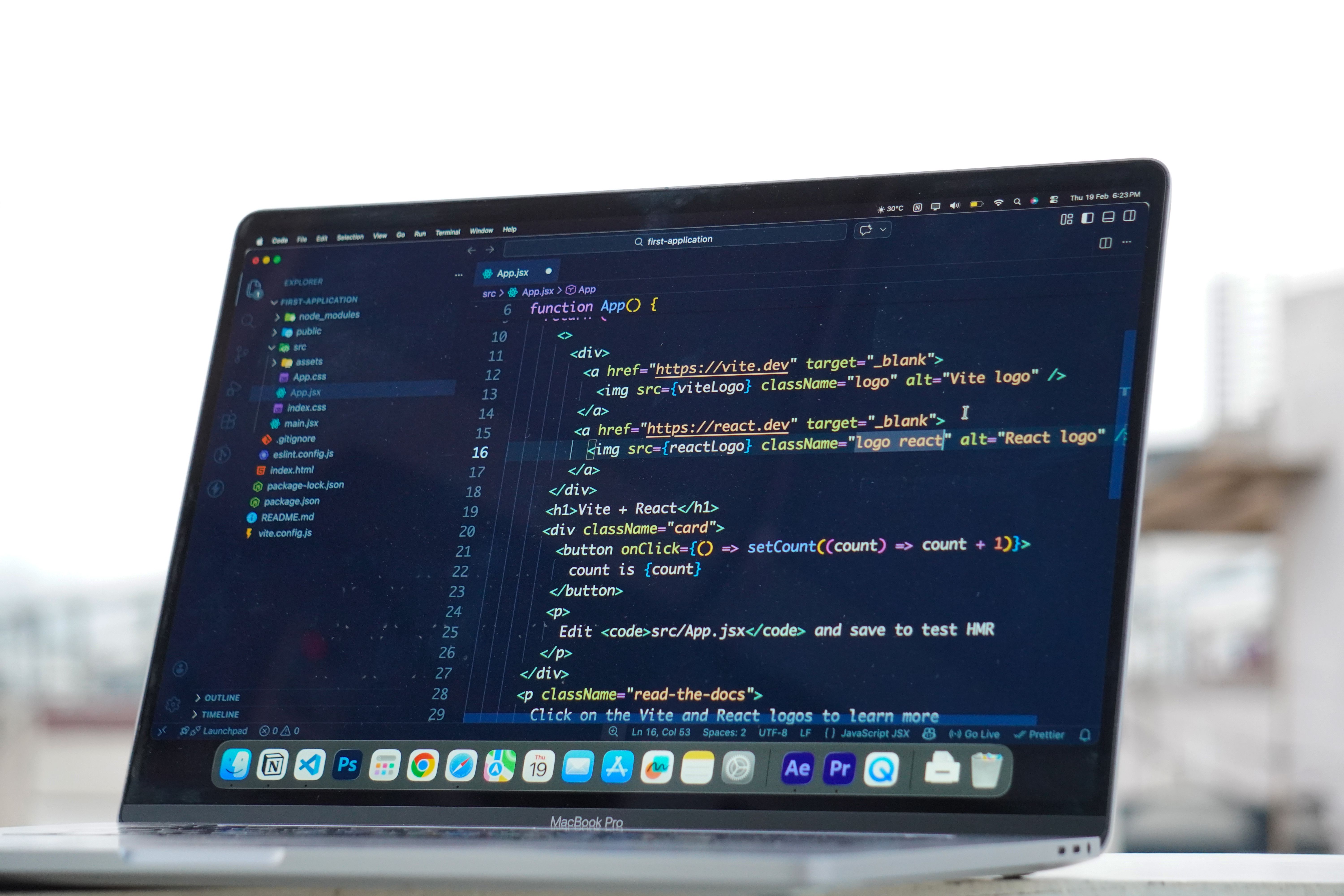
Hosting migration can be one of the most practical steps in a Hosting Migration Checklist for Faster, More Reliable Sites, but the outcome depends on careful planning rather than the move itself. A better server can improve response times, stability, and capacity, yet website performance is also shaped by code, images, plugins, databases, and third-party scripts.
If you are moving from shared hosting to VPS hosting, cloud hosting, dedicated hosting, or a managed hosting plan, the goal is to reduce risk while preserving your site’s content, functionality, and uptime. A sensible migration process helps you check performance before and after the move, spot hidden issues early, and avoid common problems such as broken redirects, cache conflicts, or missing DNS records.
Why hosting migration affects speed and reliability
Hosting determines how much CPU, memory, storage, and network capacity your site can use, as well as how quickly the server responds to requests. Shared hosting can suit smaller sites, while VPS hosting, cloud hosting, or dedicated hosting may offer more resource isolation and control for busy websites. Managed hosting can also reduce technical workload by handling more of the server maintenance, though the exact level of support varies by provider.
Migration matters because performance bottlenecks often become more visible as traffic grows. An online store, for example, may need better database performance, stronger concurrency handling, and more reliable uptime than a simple brochure site. If you use WordPress or WooCommerce, hosting resources, PHP versions, caching, and database efficiency can all influence how quickly pages load and how smoothly checkout works.
Checklist before you move your site
Before migrating, map out what the site needs today and what it may need in the next few months. Check storage usage, monthly traffic, peak concurrent users, email dependencies, cron jobs, SSL/TLS setup, backup coverage, and any special requirements such as staging environments or command-line access. If your current plan is close to its resource limits, the migration is a good time to reassess scalability rather than simply transferring the same constraints elsewhere.
Back up the website and verify that the backup can actually be restored. Keep an independent copy off-site, and where possible test a restore on a staging environment before changing DNS. If you rely on WordPress, review plugins, themes, and scheduled tasks so you know what must be tested after the move. The WordPress optimisation guidance is a useful reference for reducing avoidable load before and after migration.
- Confirm current hosting limits, including CPU, memory, bandwidth, and storage.
- Document DNS settings, email records, redirects, and subdomains.
- Export databases and files separately, then verify integrity.
- Test critical paths such as logins, forms, search, checkout, and contact pages.
- Prepare a rollback plan in case the new environment needs adjustment.
Choosing the right hosting type for your workload
There is no single hosting type that suits every site. Shared hosting can be cost-effective for smaller projects, but performance may vary more because resources are shared. VPS hosting gives more dedicated slices of server resources and often greater control. Cloud hosting can improve flexibility and scaling, though configuration still matters. Dedicated hosting offers the most isolation, but it may be unnecessary for sites with modest traffic. Managed hosting can be valuable if you want the provider to handle more administration, but you should still understand what is and is not included.
For WordPress hosting and WooCommerce hosting, look beyond labels and compare the practical details: PHP support, object caching options, database performance, backup frequency, staging availability, security controls, and support quality. Ecommerce sites also need careful handling of dynamic pages such as cart, checkout, and account areas, where full-page caching may need exclusions. If you want help planning a broader site-growth strategy, Backlink Works Insights also covers the relationship between technical foundations and visibility, including its free website SEO audit resource.
What to test before and after migration
Hosting migration should be tested in stages. Start with a staging copy or a temporary domain where possible, then check front-end pages, admin access, media uploads, forms, and server logs. Pay attention to server response time, because a slower origin can make caching and a CDN less effective. Also test after DNS changes, since visitors in different regions may reach different servers during propagation.
Performance testing tools such as PageSpeed Insights, Lighthouse, WebPageTest, and GTmetrix can help you diagnose issues, but their results are not identical. Lab data is produced in controlled conditions, while field data reflects real visitors over time. A high score does not always mean a better user experience, especially if important scripts, fonts, or third-party services are slowing real interactions. Google’s Core Web Vitals documentation explains how Largest Contentful Paint, Interaction to Next Paint, and Cumulative Layout Shift relate to user experience. The main point is to improve the pages that matter most, not to chase a perfect number.
Optimisation areas that often matter during migration
Many sites move to new hosting and still feel slow because the underlying issues were never addressed. Caching can help, but different layers serve different purposes: browser caching stores files on the visitor’s device, page caching serves pre-built HTML, object caching reduces repeated database work, and CDN caching stores static assets closer to users. If rules are configured badly, caching can create outdated pages, login issues, or cart problems, particularly on ecommerce sites.
Image optimisation is another common win. Large, uncompressed images can dominate load time even on strong hosting. Reduce file size where possible, choose suitable formats, and load off-screen images sensibly. Database optimisation also matters, especially for WordPress and WooCommerce stores with large tables, revisions, transients, and logs. A CDN can reduce delivery distance for static content, but it does not fix poor code, heavy plugins, or slow database queries at the origin.
For site owners who want a broader technical checklist around crawlability and performance, the backlink building process guide shows how technical health and content systems sit alongside authority-building work rather than replacing it.
Common mistakes to avoid after the switch
One frequent mistake is assuming the new host alone will solve all speed issues. If the theme is heavy, the database is bloated, or external scripts are slow, the site may still underperform. Another problem is copying the old cache settings blindly. What worked on one platform may conflict with the new stack, especially if the server uses different caching layers or a different web server configuration.
Do not rely on the hosting provider’s backups alone. Keep your own independent copies and test restores periodically. Also avoid making major configuration changes without a staging plan. If you need to compare server health, uptime, or browser-side behaviour over time, tools such as uptime monitors and performance testing platforms can help identify patterns, though they do not prevent every outage or explain every problem on their own.
Conclusion
A careful hosting migration is less about chasing hype and more about reducing friction for real visitors. The strongest results usually come from combining the right hosting fit with clean configuration, sensible caching, image and database optimisation, and post-migration monitoring. Whether you are moving a blog, business site, or ecommerce store, the safest approach is to back up first, test in stages, verify DNS, and monitor performance after launch. That gives you a clearer picture of what changed and what still needs attention.
Frequently Asked Questions
How do I know if my site has outgrown its current hosting?
Common signs include slow server response, frequent resource warnings, rising downtime, and performance issues during traffic peaks. If the site becomes noticeably slower during normal usage, it may need more capacity or a different hosting model.
Should I use caching before or after migration?
Plan caching carefully before the move, then retest it afterwards. Some cache rules may need adjusting on the new server, and ecommerce or membership sites may need exclusions for dynamic pages.
Do I need a CDN for every website?
No. A CDN can be helpful for sites with geographically distributed audiences or many static assets, but it is not mandatory for every project. Its usefulness depends on your visitors, content type, and origin server performance.
Will better hosting automatically improve SEO?
No. Better hosting can support faster, more reliable pages, but SEO still depends on content quality, site structure, crawlability, relevance, and many other factors. Hosting is one part of the overall picture.
- Sponsored Ad -





