
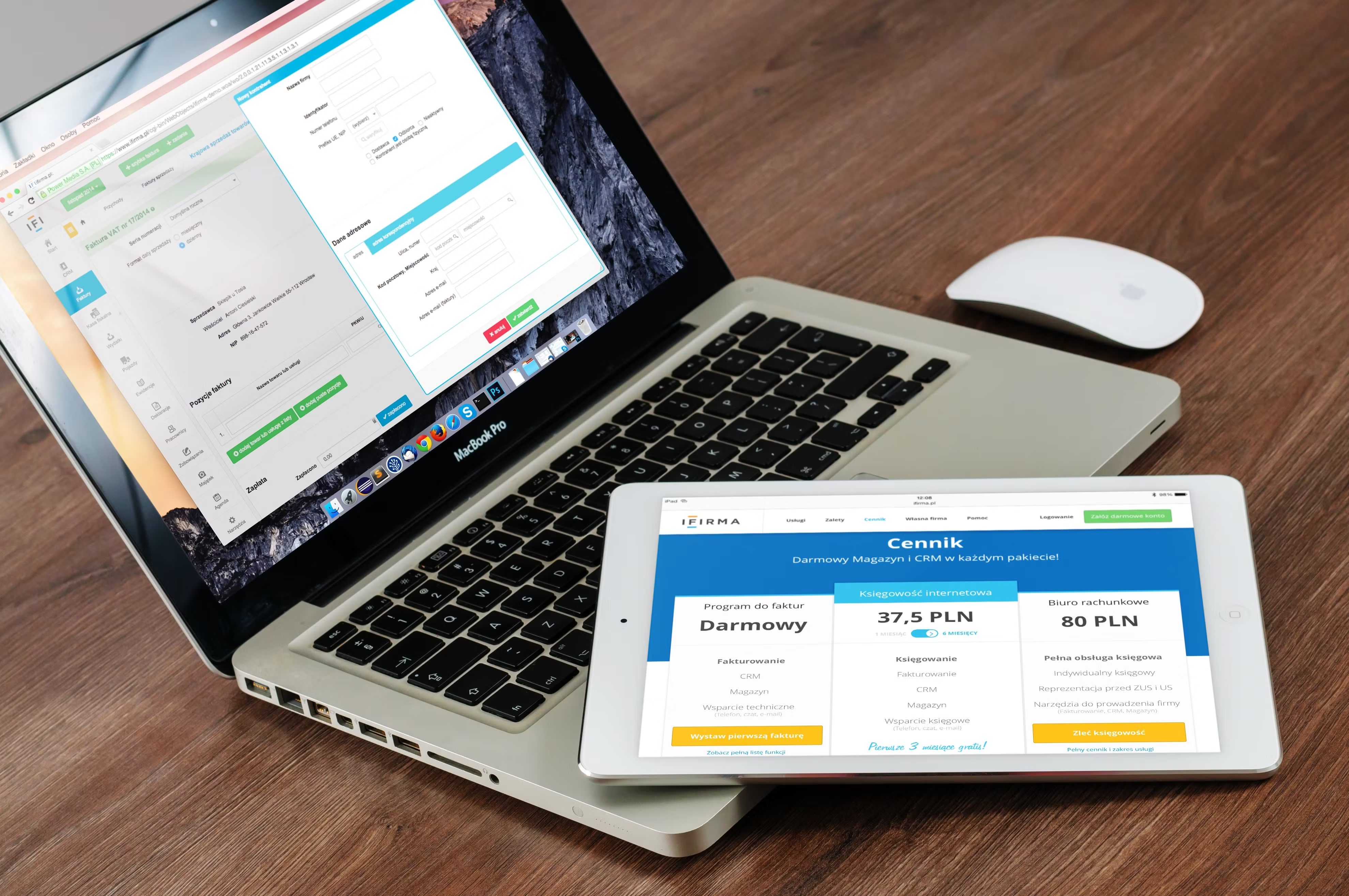
Hotel website design does far more than shape how a property looks online. It influences how easily visitors can find rooms, compare facilities, check availability, and complete a booking request on desktop and mobile devices.
For hotels, the strongest websites combine clear structure, fast loading pages, responsive layouts, and trustworthy content. That supports search visibility, improves usability, and gives potential guests a smoother path from first visit to enquiry or reservation.
What hotel website design means for SEO and mobile UX
SEO-friendly website design is about making a site easy for both people and search engines to use. For hotels, that means pages should be crawlable, mobile-friendly, logically organised, and built around guest intent. A search engine can only interpret your content well if the structure is clear and the page elements are easy to understand.
Mobile UX matters just as much. Many travellers browse on phones while comparing locations, checking amenities, or planning last-minute stays. A hotel website should therefore be usable on a small screen without pinch-zooming, horizontal scrolling, or awkward forms.
Good design also supports business goals. A clean layout can make it easier for guests to understand room types, policies, offers, and facilities. That clarity can improve engagement and may help conversions, although results always depend on traffic quality, trust signals, pricing, and how well the offer matches user intent.
Build a structure that helps users and search engines
The best hotel websites use a simple, logical structure. Core pages usually include rooms, amenities, dining, location, gallery, offers, and contact or booking information. If the hotel serves business travellers, families, or event guests, those audiences may need dedicated pages or sections.
Navigation should be easy to scan and should avoid burying important pages too deeply. A guest looking for parking details, check-in times, or family room options should not have to hunt through several menus. Internal links between related pages also help search engines discover content and understand topic relationships.
Service pages and landing pages should follow clear content hierarchy. Use descriptive headings, concise copy, and well-placed calls to action. For example, a room page should explain size, occupancy, amenities, and booking options before moving into image-heavy sections.
If you want a structured way to review your current site, a free website SEO audit can help identify technical and content issues that may affect visibility and usability.
Design for mobile-first browsing and booking
Mobile-first design starts by thinking about the smallest screen first, then expanding the layout for larger devices. This is especially useful for hotel websites because many key tasks happen on mobile: checking availability, reading reviews, looking at maps, and calling reception.
Buttons should be large enough to tap easily. Forms should ask only for the information that is genuinely needed. Important information, such as prices, room benefits, cancellation terms, and contact options, should be visible without excessive scrolling.
Images are important for hotels, but they should not overwhelm the experience. Use responsive image sizes, compress files where appropriate, and avoid loading unnecessary media above the fold. A photo gallery is useful, but it should not slow down the page the moment a visitor arrives.
Google’s own SEO Starter Guide is a helpful reference for understanding how search-friendly structure and accessible content support discovery.
Focus on speed, Core Web Vitals, and performance
Website speed is a major part of both SEO and user experience. Slow hotel websites can frustrate visitors, especially mobile users who may be on weaker connections. A slower site can also make booking flows feel less trustworthy and less convenient.
Core Web Vitals are useful indicators of real-world page experience. In practical terms, hotel websites should aim for pages that load quickly, respond smoothly, and keep the layout stable while content appears. That means reducing heavy scripts, avoiding layout shifts from late-loading banners, and keeping page elements consistent.
Performance improvements often begin with the basics: fewer unnecessary plugins, optimised images, lightweight themes, and clean code. For WordPress website design, this is especially important because too many add-ons can make a site harder to maintain and slower to load.
Testing tools such as PageSpeed Insights can help you check speed issues, performance opportunities, and mobile usability concerns before they affect the guest experience.
Create layouts that support trust and conversions
Hotel website design should make it easy to compare rooms, understand what is included, and take the next step. That is where content layout and conversion-focused design matter. Place the most important information high on the page, then use supporting sections for details, FAQs, and reassurance.
Trust signals matter because guests want clarity before they commit. Helpful elements can include direct contact details, location maps, clear cancellation policies, accepted payment methods, and honest descriptions of facilities. If reviews are displayed, they should be genuine and managed carefully rather than exaggerated or misleading.
Landing pages can be especially useful for seasonal offers, weddings, business stays, or local events. They work best when the message is focused, the design is uncluttered, and the booking route is obvious. A strong layout will not guarantee more bookings, but it can reduce friction and support better engagement.
For agencies and brands comparing structured link-building and broader website growth strategies, Backlink Works offers additional SEO education alongside design-focused guidance.
Apply the same principles to WordPress, ecommerce, and service pages
Many hotel sites use WordPress because it is flexible and suitable for content-heavy business websites. In that setup, the theme should support responsive design, accessible templates, and clean content hierarchy. Avoid themes that look attractive but create messy page structures or poor mobile behaviour.
If the hotel also sells gift vouchers, merchandise, restaurant bookings, or event packages, ecommerce website design principles become relevant. Product pages should be clear, fast, and easy to navigate, with concise product descriptions, straightforward pricing, and a reliable checkout path.
Service pages matter too. Spa treatments, conference facilities, airport transfers, and wedding services each need pages that answer common questions quickly. The aim is not only visual appeal but also clarity, accessibility, and easy action on any device.
A useful way to improve content structure is to map each page to a visitor task. For example: “find a room”, “compare amenities”, “view local area information”, or “make an enquiry”. This keeps the design aligned with real user intent.
Best practices checklist for hotel website design
Use this short checklist when reviewing or redesigning a hotel website:
Keep the navigation simple and consistent across the site.
Make room, location, and booking information easy to find.
Design for mobile screens first, then refine for desktop.
Use responsive images and remove unnecessary page weight.
Write clear headings and organised content sections.
Check accessibility basics such as readable text, strong contrast, and keyboard-friendly controls.
Link related pages internally so users can move naturally through the site.
Review page speed and Core Web Vitals regularly.
Conclusion
Hotel website design works best when it supports SEO, mobile usability, and a smooth guest journey. A well-structured site can help search engines understand your pages, while also helping visitors find the information they need quickly and confidently.
Whether the website is built on WordPress, supports booking enquiries, or includes ecommerce elements, the main goal remains the same: make the experience fast, clear, accessible, and trustworthy. That is the foundation for better online visibility and a stronger user experience over time.
Frequently Asked Questions
Why is mobile-first design important for hotel websites?
Many guests browse and book on phones, so mobile-first design makes key actions easier on smaller screens.
How does website design support SEO for hotels?
It improves crawlability, mobile usability, speed, internal linking, accessibility, and content structure.
What should a hotel homepage include?
It should clearly show the hotel’s value, key rooms or offers, location, and a visible route to booking or enquiry.
Do better visuals always improve conversions?
Not by themselves. Conversions depend on design quality, trust, offer clarity, page speed, copy, and visitor intent.
- Sponsored Ad -





