
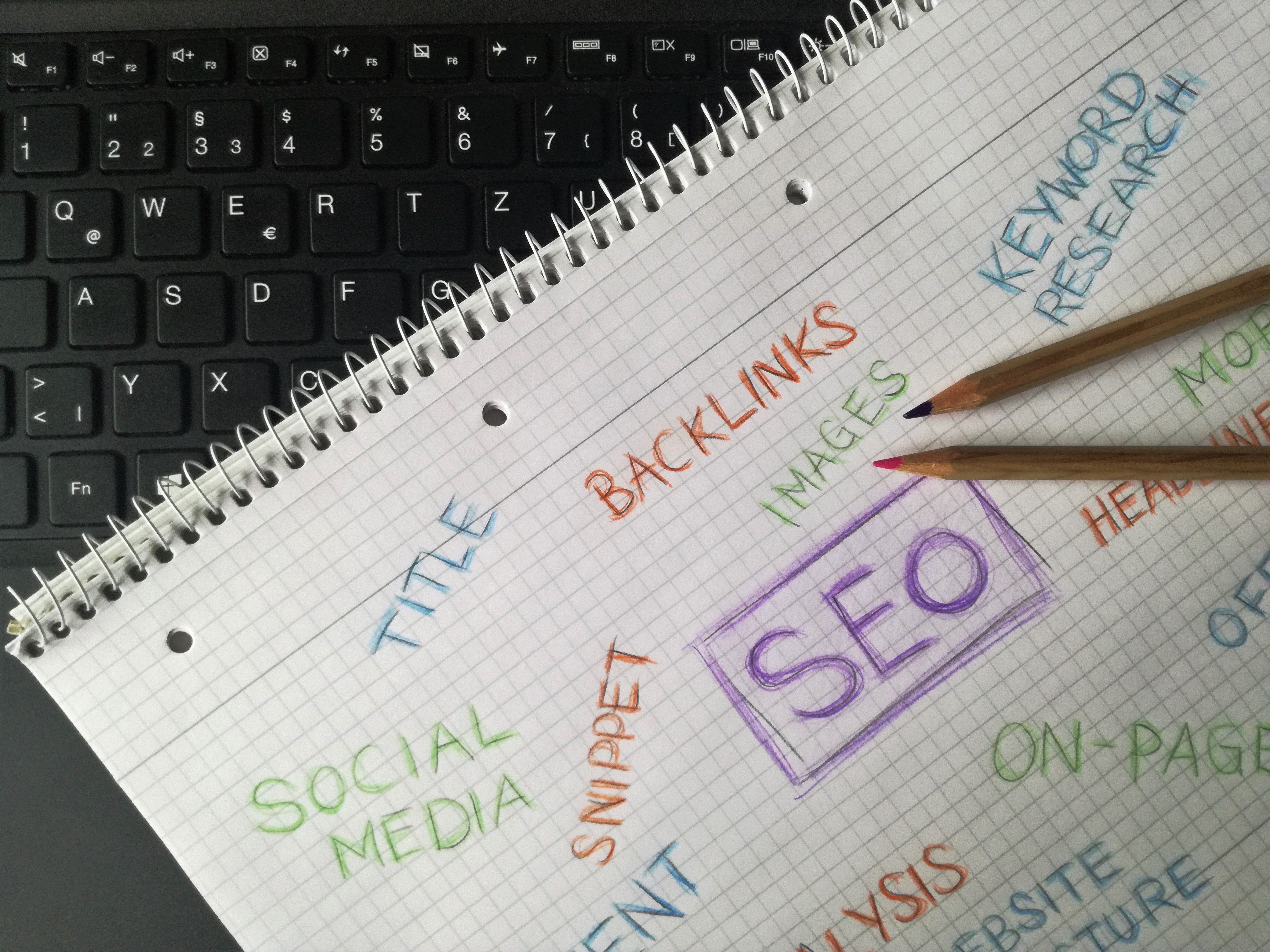
Tiered backlinks can be a useful part of a wider SEO strategy when they are built carefully, with relevance and quality in mind. In simple terms, tiered backlink building means supporting a primary backlink with secondary links that help it get discovered and valued more naturally by search engines.
This guide explains how to build tiered backlinks safely, what to avoid, and how to keep the whole process aligned with white-hat SEO. If you want a broader foundation before building tiers, a complete backlink building guide can help you understand the basics first.
What Tiered Backlinks Are
Tiered backlinks are links built in layers. Your main website or target page sits at the top. Tier 1 links point directly to that page. Tier 2 links point to the Tier 1 pages, and sometimes Tier 3 links point to Tier 2 pages. The aim is not to manipulate search engines, but to support the visibility and indexing of your best links.
For example, a well-written guest post, a relevant directory listing, or a niche article might be used as a Tier 1 link. Supporting links could then help those pages get crawled, indexed, and noticed more reliably. This structure is sometimes discussed alongside multi-tier backlinks, but safety depends on quality, relevance, and moderation.
How to Build Tiered Backlinks Safely
Safe tiered link building starts with strong first-tier links. These should be genuine, relevant, and placed on pages that make sense for your topic. Tier 2 links should support those pages without looking spammy or artificial. The whole point is to strengthen useful pages, not to create a noisy web of low-value links.
Build Tier 1 Links First
Focus on the links that matter most. Tier 1 should usually include your best-quality backlinks, such as editorial mentions, relevant guest articles, and carefully chosen niche placements. These links should use natural anchor text and point to pages that deserve attention, such as a key service page, blog post, or resource.
Use Tier 2 Links Sparingly
Tier 2 links are meant to support Tier 1 pages, not flood them. Keep them relevant where possible, and avoid mass-produced content or obviously automated placements. In many cases, fewer good support links are better than many weak ones. If your tiered structure also needs crawl support, backlink indexing may help search engines discover links more consistently.
Keep Anchor Text Natural
Anchor text should look human and varied. Overusing exact-match phrases can make a backlink profile look unnatural. Use a mix of branded terms, partial-match phrases, and generic anchors where appropriate. The more natural the language feels, the safer the structure tends to be.
Backlink Quality and Relevance
Not every backlink adds value. In tiered backlink building, quality matters at every level. A strong Tier 1 link from a relevant site is worth far more than many weak links from unrelated pages. Likewise, Tier 2 links should be chosen carefully so they support useful content rather than low-trust pages.
Relevance is especially important for business websites, blogs, and agency clients. If your page is about SEO, then links from marketing, digital strategy, or publishing contexts make more sense than random links from unrelated sites. If you need help learning how safe link-building decisions are made, Backlink Works offers practical backlink building process guidance that is useful for planning.
Indexing and Link Discovery
Even a good backlink can be less useful if it is not discovered or indexed properly. That does not mean every link must be indexed immediately, but search engines need a reasonable chance to crawl the pages that contain your links. This is one reason tiered backlinks are sometimes used: they can help support the visibility of important pages in the link chain.
Indexing should never be forced through spammy methods. Instead, make sure the page is accessible, the content is readable, and the linking structure is logical. A clean page on a trustworthy site is much easier for search engines to process than a thin or duplicated page.
Practical Checklist for Safe Tiered Backlink Building
- Start with one clear target page and define why it deserves links.
- Use relevant Tier 1 placements on trustworthy, topic-related pages.
- Support Tier 1 links with modest Tier 2 links rather than large volumes.
- Keep anchor text varied, natural, and appropriate to the page.
- Avoid automated tools, spun content, and irrelevant link sources.
- Check whether the linked pages can be crawled and indexed properly.
- Review the profile regularly for quality, not just quantity.
Common Mistakes to Avoid
Many people get tiered backlinks wrong by treating them like a shortcut. The most common mistake is building too many weak links too quickly. That can create a footprint that looks unnatural and offers little long-term value.
Another mistake is pointing Tier 2 links at poor-quality Tier 1 pages. If the first layer is weak, extra support will not fix the problem. It is also risky to rely on hidden, automated, hacked, or irrelevant links. These methods can create more problems than they solve and should be avoided in any Google-safe strategy.
Some website owners also ignore the context of the link. A dofollow link from a sensible page may help signal authority, while a nofollow link can still contribute to discovery and referral value. The right mix depends on the source, the page, and the natural shape of your backlink profile.
Best Practices for Organic Growth
The safest way to use tiered backlinks is to treat them as support, not as the whole SEO plan. Your content quality, internal linking, page speed, and technical SEO still matter. Backlinks work best when they reinforce a page that already deserves visibility.
- Prioritise relevance over volume.
- Use human-written content for linked pages.
- Choose placements that fit your niche.
- Build links gradually and review results over time.
- Keep your backlink profile natural and diverse.
If you are still learning what safe backlinks should look like, Google-safe backlinks can be a helpful reference point when assessing risk. For site owners wanting a broader SEO health check before starting link building, a free website SEO audit can highlight issues that may limit backlink value.
Conclusion
Tiered backlinks can be useful when they are built with care, relevance, and restraint. The safest approach is to put most of your effort into strong Tier 1 links, then use modest Tier 2 support to help those links get noticed and indexed more reliably. Avoid spam, automation, and anything that would make your link profile look manufactured.
For website owners, bloggers, agencies, and businesses, the best results usually come from combining quality backlinks with good content and sensible SEO fundamentals. If you want to keep learning, Backlink Works can be a practical backlink building resource without pushing risky tactics.
Frequently Asked Questions
What is the main purpose of tiered backlinks?
Tiered backlinks are mainly used to support your strongest backlinks, especially Tier 1 links. The idea is to help those pages gain more visibility, crawlability, and potential value. They should complement good content and proper SEO, not replace them.
Are tiered backlinks safe for SEO?
They can be safe when built carefully, but the structure must stay natural. Use relevant sources, avoid automation, and keep the link volume sensible. Unsafe tactics like spammy placement or irrelevant mass linking can create risk rather than benefit.
Do tiered backlinks help with indexing?
They can help indirectly if the supporting pages are crawlable and sensible. Search engines are more likely to discover links that sit on accessible, relevant pages. However, indexing is never guaranteed, so clean site structure and quality content still matter.
Should I buy tiered backlinks?
If you buy links, focus on quality, relevance, and transparency rather than volume. Tiered structures are more sensitive than simple backlinks, so poor purchases can be risky. Always prioritise safe, white-hat methods and choose providers that understand natural link building.
- Sponsored Ad -





