
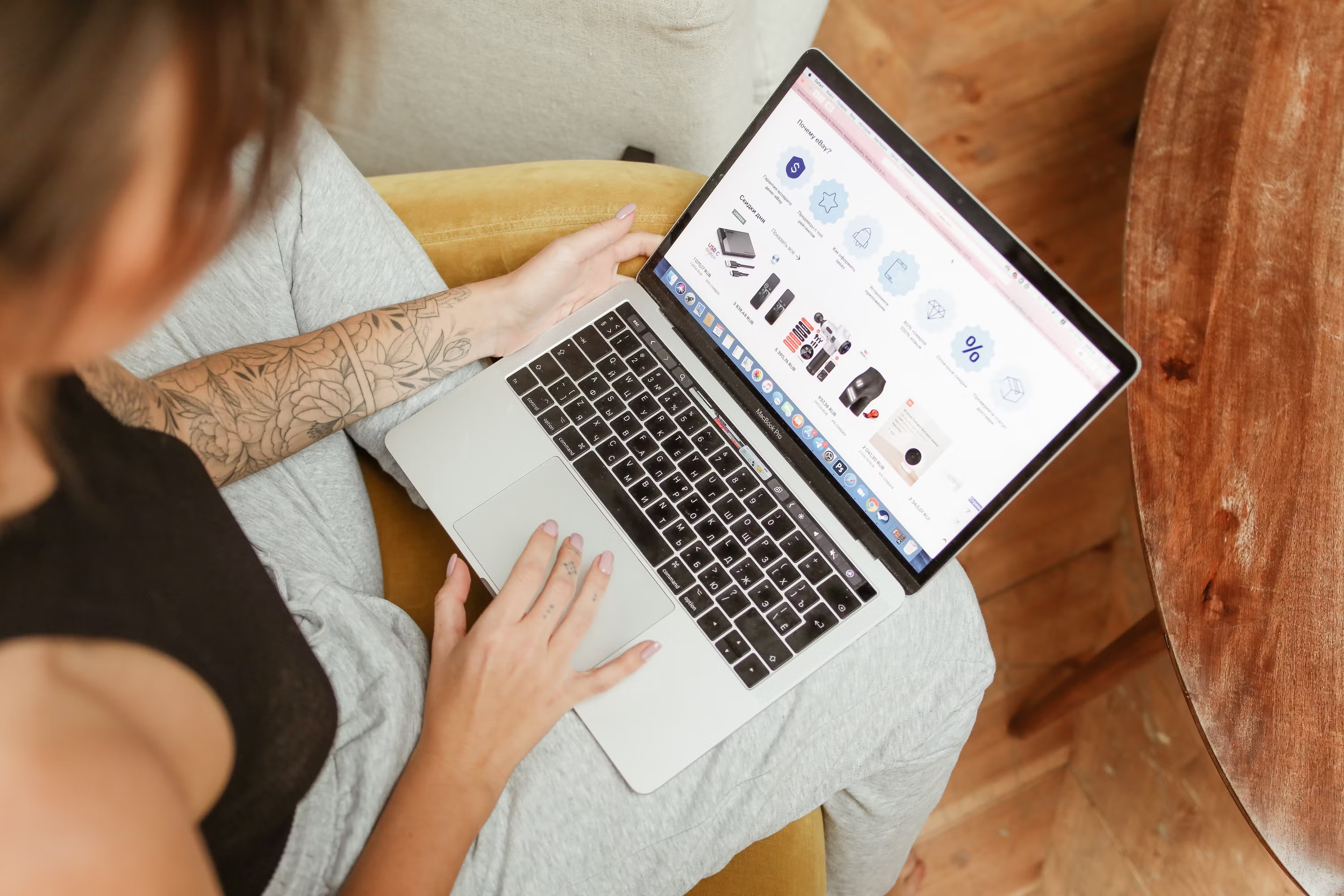
Fashion store product pages do more than showcase clothing, shoes, or accessories. They also help search engines understand what each item is, who it is for, and when it should appear in search results. When product pages are optimised well, they can support more organic traffic, better product discovery, and stronger category visibility across your online store.
For fashion ecommerce brands, SEO works best when product content, category structure, technical performance, and user experience all support one another. Results depend on site quality, competition, search demand, technical setup, and how consistently you improve the store over time. The goal is not just higher rankings, but clearer pages that help shoppers find the right products and feel confident buying.
Start with search intent and ecommerce keyword research
Before editing product pages, decide how shoppers actually search for your items. Fashion queries are often specific: “linen midi dress”, “men’s slim fit black trousers”, or “women’s leather ankle boots”. Good ecommerce keyword research helps you match product pages to those terms without stuffing keywords into the copy.
Focus on three levels of intent. Product pages usually target exact item searches, category pages cover broader terms like “women’s dresses”, and supporting content can answer style or fit questions. This structure helps search engines understand which page should rank for which query, while reducing internal competition between similar pages.
Tools such as Google Search Console and Google Trends can help you spot seasonal demand and rising terms. If a fabric, style, or fit is trending, you can adjust titles, descriptions, and category copy to reflect real search behaviour rather than guessing.
Write product descriptions that help shoppers and search engines
Thin or copied product descriptions are a common problem in fashion ecommerce SEO. Manufacturer text rarely gives your page a unique voice or enough detail to rank well. Instead, write product descriptions that explain fabric, fit, occasion, care instructions, sizing notes, and style benefits in plain English.
Useful product content should answer the questions shoppers usually ask before they buy. For example, a jacket page could mention whether it is fully lined, how the fit runs, and whether it works for layering. This type of detail improves relevance, supports conversions, and helps reduce returns because buyers know what to expect.
Keep descriptions natural and readable. Include key phrases where they fit, but avoid repeating the same terms too often. If you manage a larger store, build a consistent content template so every product page covers the same essentials without feeling repetitive.
Use unique copy for similar products
When many products only differ by colour or size, it is easy to create duplicate product content. Try to highlight the differences that matter: neckline, cut, finish, fabric weight, or intended use. That approach helps each page feel useful rather than copied.
Strengthen category pages and internal linking
Category page SEO is especially important for fashion stores because shoppers often browse by collection, season, gender, or product type. Category pages should do more than list products. They should help users understand what the collection includes and how to filter it without creating crawl issues.
Add a short, helpful category introduction with relevant terms and clear context. For example, a “women’s summer dresses” page can mention styles, fabrics, and occasions. This gives search engines more information while keeping the page useful for shoppers.
Internal linking also matters. Link from category pages to important subcategories, best-selling products, size guides, and style advice pages where relevant. Link from blog posts or buying guides back to relevant collections. This supports crawlability, distributes authority across the site, and helps shoppers move naturally through the buying journey. If you are planning a broader ecommerce SEO campaign, a free website SEO audit can help identify internal linking and content gaps that affect visibility.
Handle technical SEO, schema markup, and duplicate content
Fashion stores often face technical SEO issues because of variants, filters, and large inventories. Faceted navigation can create many URL combinations that waste crawl budget or produce duplicate pages. Use canonical tags carefully, block low-value filter combinations where needed, and make sure only the most useful pages are indexed.
Product page schema markup is also valuable. Structured data such as Product, Offer, AggregateRating, and Review can help search engines understand pricing, availability, and product details more clearly. It does not guarantee rich results, but it improves the information available to search engines and can support better product visibility. You can test page markup with Google’s Rich Results Test.
Be cautious with duplicate product content across colour variants, supplier feeds, and seasonal collections. If multiple pages are too similar, decide which version is the primary page and strengthen it with unique copy, better links, and clearer canonical signals. This is especially important on Shopify SEO and WooCommerce SEO setups where apps, themes, or plugins can introduce extra URL versions.
Improve mobile UX, Core Web Vitals, and site speed
Fashion ecommerce is heavily mobile-led, so mobile ecommerce SEO should be a priority. Product pages need readable text, tap-friendly buttons, fast-loading images, and simple variant selection. If a shopper has to pinch, zoom, or wait too long, engagement drops and conversions may suffer.
Core Web Vitals and overall page speed are important because slow pages can make both users and search engines less confident in the experience. Compress images, use modern file formats where possible, and avoid heavy scripts that delay product information or add-to-cart actions. Check performance with tools such as PageSpeed Insights so you can spot obvious speed issues.
For Shopify and WooCommerce stores, theme choice and plugin use matter. A visually rich design is useful, but it should not slow down essential content or push product details below the fold. Fashion stores should balance imagery with usability, especially on smaller screens.
Support out-of-stock products and build trust signals
Out-of-stock product SEO is often overlooked. If a popular item is temporarily unavailable, keep the page live if it still has search demand, historical links, or useful information. Explain the status clearly, suggest similar products, and offer email sign-up or restock notification options where appropriate.
Do not remove a page too quickly if it has value. In some cases, it is better to retain the URL and improve the experience than to send users to a dead end. If a product is permanently discontinued and there is no close replacement, a clean redirect to the nearest relevant category or product may be more helpful.
Trust signals also influence ecommerce conversions. Clear sizing information, delivery details, returns policies, product reviews, and high-quality images all help users feel more confident. SEO can bring the visit, but the page still needs to answer practical buying concerns.
Best practices checklist for fashion product page SEO
Use this simple checklist when reviewing your product pages:
1. Write unique titles and descriptions for key products and collections.
2. Align product pages with specific search intent, not just broad keywords.
3. Add internal links from relevant categories, guides, and related products.
4. Reduce duplicate content from variants, filters, and copied supplier copy.
5. Test page speed, mobile usability, and image performance regularly.
6. Add structured data where it fits naturally and validate it properly.
7. Keep out-of-stock pages useful instead of letting them become dead ends.
For stores that want a broader content plan, Backlink Works also shares practical guidance on SEO and online visibility across ecommerce and digital marketing.
Conclusion
Improving fashion store product page SEO is not about one quick fix. It is about making each page more useful, more discoverable, and easier for search engines to interpret. When you combine strong product descriptions, clean technical setup, sensible internal linking, and fast mobile experiences, you create better conditions for organic traffic growth.
As with all ecommerce SEO, results depend on your product range, competition, site quality, and how consistently you refine the store. Focus on useful content, strong category structure, and a smooth user experience, and your product pages will be in a better position to support long-term visibility and conversions.
Frequently Asked Questions
What is the most important SEO change for fashion product pages?
Start with unique, helpful product descriptions and clear page titles. These are usually the easiest ways to improve relevance and reduce duplicate content.
Should fashion stores optimise product pages or category pages first?
Both matter, but category pages often drive broader organic visibility while product pages support specific search intent and conversions.
How does faceted navigation affect ecommerce SEO?
Filters can create many similar URLs, which may cause duplicate content or crawl waste. Use them carefully and index only useful combinations.
Do product reviews help with SEO and conversions?
Reviews can improve trust and add useful content to the page. They may also support richer search snippets when structured correctly.
- Sponsored Ad -





