
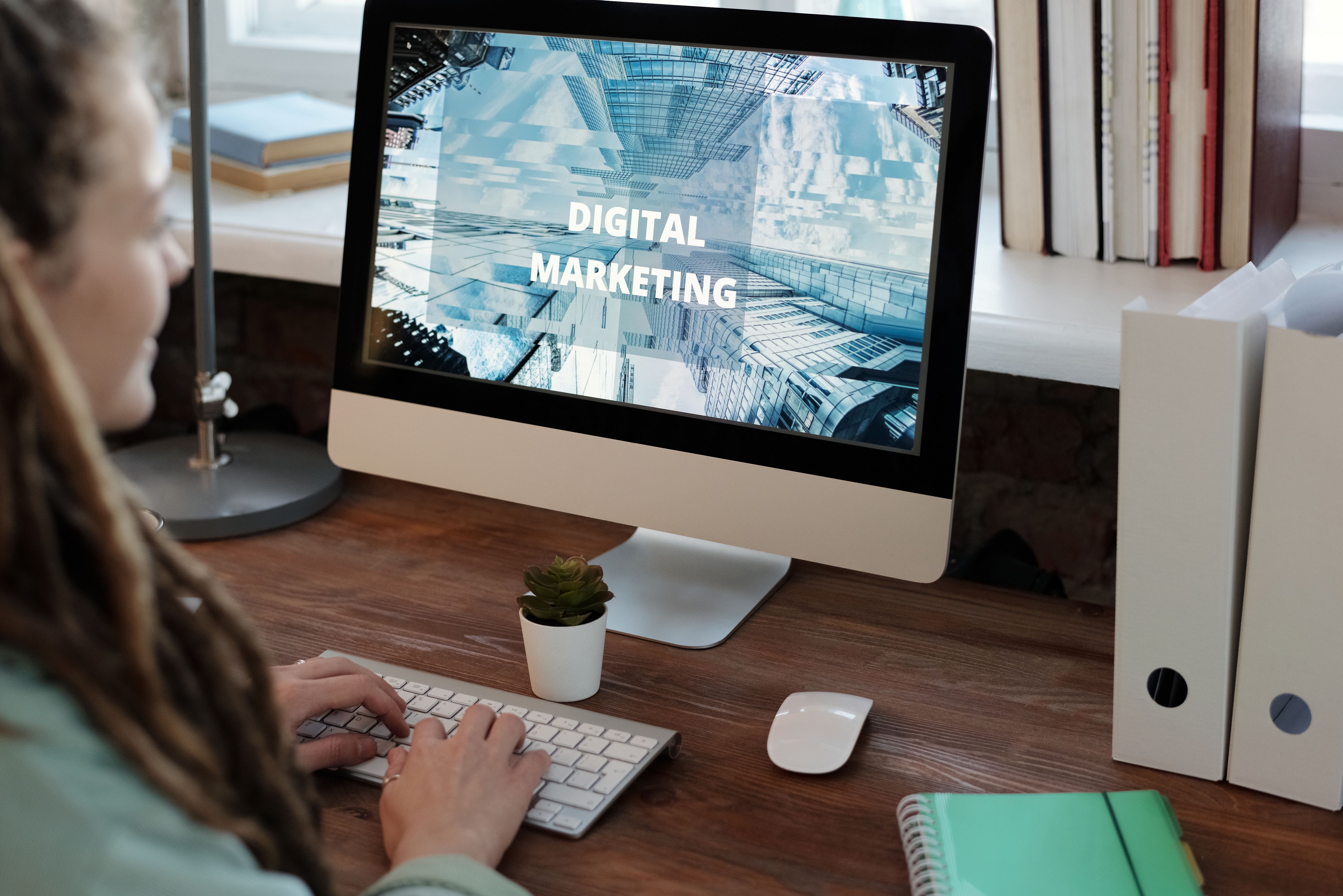
Return on ad spend, or ROAS, is often discussed in the context of paid media, but it does not begin and end with Google Ads or social platforms. If your website is not easy to find, does not answer search intent well, or fails to convert visitors, your ad performance can suffer even when the campaign setup looks strong.
SEO and conversion optimisation work together to improve the full marketing journey. SEO helps the right people discover your brand through search, content and organic visibility, while conversion optimisation helps more of those visitors take a meaningful action. For businesses focused on growth, that combination can support stronger lead generation, better customer acquisition, and more efficient digital marketing overall.
What ROAS Means in a Wider Marketing Strategy
ROAS is usually measured as the revenue generated from advertising compared with the amount spent. However, in practice, the number is influenced by many parts of your online marketing strategy. Audience targeting, landing page quality, content relevance, offer clarity, site speed, trust signals and tracking accuracy all shape the outcome.
This is why SEO matters for paid performance too. When search-driven content educates visitors before they convert, they are often more likely to engage with your landing pages, email flows or remarketing campaigns. Likewise, a well-structured website can make paid traffic more efficient by reducing friction after the click.
Use SEO to Attract Higher-Intent Traffic
Not all traffic has the same value. A large number of visits is less useful than qualified visits from people who are actually searching for a solution. SEO helps you capture that demand through relevant keywords, helpful content, and clear page structure.
Start by aligning pages with search intent. Informational content should explain a topic clearly, while commercial pages should help users compare options, understand benefits and move towards enquiry or purchase. For example, a service business might create guides for common questions, then link those guides to a well-optimised service page. An ecommerce brand can use category copy, product details and comparison content to support both rankings and conversions.
If your site needs a baseline review, a free website SEO audit can help identify technical and on-page issues that may be limiting search visibility or user experience.
Improve Landing Pages for Conversion Optimisation
Once traffic arrives, the page must make the next step easy. Conversion optimisation focuses on removing doubt, reducing distraction and guiding visitors towards the desired action. That could be a purchase, quote request, download, booking or email signup.
Useful landing pages usually include a clear value proposition, a relevant headline, strong supporting copy, visible calls to action and trust signals such as testimonials, reviews or professional credentials. They also avoid unnecessary clutter. If users need to scroll through too much noise before understanding the offer, conversions often drop.
It also helps to match page content to the source of traffic. Someone coming from an educational blog post may need softer conversion prompts, while someone arriving from a PPC campaign may be ready for a more direct offer. Better alignment usually improves the user journey and supports more efficient customer acquisition.
Make Content Work Harder Across SEO, Email and Social Media
Content marketing is one of the most practical ways to support ROAS. A single well-researched article can attract organic traffic, feed email marketing, provide social media content and support remarketing campaigns. In that sense, content becomes an asset rather than a one-off publish-and-forget activity.
To get more value from content, plan around problems your audience is already trying to solve. Create guides, comparisons, checklists, buying advice and FAQs that help users make better decisions. Then repurpose those assets into short email sequences, LinkedIn posts, Instagram captions or nurture content for prospects who are not yet ready to buy.
This approach is especially useful for startups, consultants and local businesses that need brand visibility without relying entirely on paid ads. It can also support ecommerce marketing by answering product questions and reducing hesitation before checkout.
Use Analytics to Find Where ROAS Is Leaking
Marketing analytics is where SEO and conversion work becomes measurable. If you only track ad clicks, you may miss the real issue. The problem could be that visitors land on the wrong page, bounce because of poor messaging, or abandon forms because the process is too long.
Review metrics such as organic landing page performance, bounce rate, scroll depth, form completion, assisted conversions, and conversion paths. Search Console and analytics tools can show which queries and pages bring traffic, while heatmaps and session recordings can reveal where people hesitate. For practical tracking, Google Analytics is a useful starting point for understanding how users move through a site.
When you combine this data with PPC insights, you can make better decisions. A landing page that performs well organically may also deserve more ad budget. A page with strong clicks but weak conversions may need clearer messaging, stronger proof or a simpler form.
Strengthen Trust Signals and Reduce Friction
Brand visibility alone does not create results. Visitors also need confidence. Trust can come from professional design, consistent messaging, transparent pricing, secure checkout, clear contact details and a strong online reputation.
For local business marketing, trust is often shaped by reviews, location pages and service clarity. For ecommerce brands, it may depend on shipping information, returns, product details and payment options. For agencies or consultants, credibility may come from case studies, process explanations and useful educational content. These details may seem small, but they can have a direct effect on how many visitors turn into leads or customers.
If you are also using link-building as part of a broader SEO-driven marketing plan, keep it quality-focused and relevant. Backlink Works offers educational resources on this topic, including an ultimate guide to backlink building, which can help you understand how authority supports visibility over time.
Best Practices for Better ROAS Over Time
SEO and conversion optimisation work best as an ongoing cycle, not a one-time task. Small improvements can add up when they are tested and refined consistently.
Keep these best practices in mind:
- Focus on search intent before chasing volume.
- Match ad copy, content and landing pages to the same offer.
- Improve page speed, mobile usability and readability.
- Test headlines, forms, calls to action and page layouts.
- Use data to prioritise pages that already attract qualified traffic.
- Support conversion with email nurture, remarketing and helpful content.
If you are running Google Ads or other PPC campaigns, remember that results depend on targeting, budget, competition, offer quality, and landing page experience. Paid and organic channels should support each other rather than compete for attention. That balanced approach usually creates a healthier and more sustainable path to growth.
Conclusion
Improving ROAS is not just about spending more carefully. It is about building a better journey from search visibility to conversion. SEO brings in more relevant traffic, content builds trust, analytics reveals friction, and conversion optimisation helps more visitors take action.
For businesses of all sizes, the most effective digital marketing strategies combine these elements into one system. Over time, that can support stronger online visibility, more efficient lead generation, better website growth and improved marketing performance without relying on shortcuts.
Frequently Asked Questions
How does SEO improve ROAS?
SEO can improve ROAS by bringing in more relevant visitors who are already looking for what you offer, which may make conversion more efficient.
Does conversion optimisation matter if I already get traffic?
Yes. More traffic does not always mean more results. Conversion optimisation helps you turn a larger share of existing visitors into leads or customers.
Can content marketing support paid advertising?
Yes. Content can educate prospects before they click an ad, improve landing page relevance and support remarketing or email follow-up.
How long does it take to see results?
It varies by website, competition and execution. SEO usually takes consistent effort and time, while conversion improvements may show quicker but still need testing.
- Sponsored Ad -





