
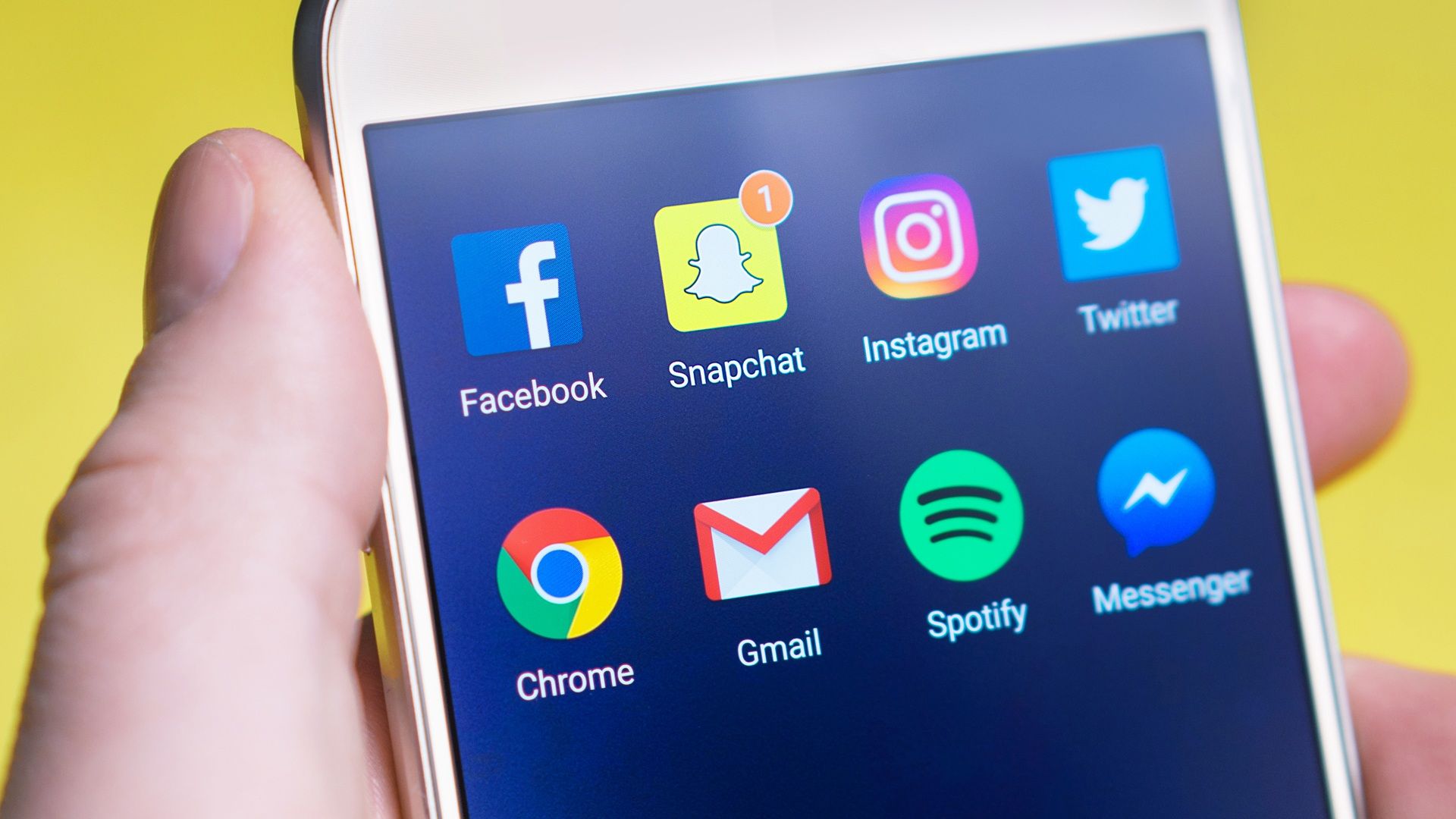
Social media growth for small businesses in 2026 is less about chasing trends and more about building a consistent marketing system. The businesses that see steady progress usually combine content planning, audience understanding, search visibility, and clear website journeys rather than relying on one viral post.
That means social media should not sit separately from your wider digital marketing strategy. It works best when it supports SEO, email marketing, lead generation, customer trust, and conversion-focused website growth. If you treat social platforms as traffic and brand-building channels, they can play a practical role in long-term visibility.
Start with a clear growth goal, not just more followers
Before posting more often, define what social media should do for your business. For some brands, the main goal is brand awareness. For others, it is website traffic, enquiries, bookings, ecommerce sales, or local visibility.
A small business with a service-based offer might use LinkedIn or Instagram to build trust and send people to a landing page. An ecommerce brand may focus on product discovery, user-generated content, and retargeting campaigns. A local business may want more profile visits, calls, and map actions. The goal changes the content, the tone, and the call to action.
When goals are clear, it is easier to measure what matters. Instead of looking only at likes, track metrics such as profile visits, link clicks, website sessions, enquiries, conversions, and return visits. This makes your social media activity more useful for overall marketing performance.
Create content that supports both social engagement and SEO
Social media growth in 2026 depends heavily on content quality. Short videos, carousels, how-to posts, customer stories, educational graphics, and behind-the-scenes updates can all work, but the content should answer real audience questions.
One of the best ways to do this is to build content from your SEO and customer insights. Look at the questions people ask in search, sales calls, support emails, and website analytics. Then turn those topics into social posts, blog articles, FAQs, and short-form videos. This connects social media marketing with content marketing and SEO-driven marketing.
For example, if you run a small accounting firm, your social content could explain common tax deadlines, bookkeeping mistakes, or tips for startup finance. That same topic can become a blog post on your website, improving search visibility and giving social followers a useful next step.
If you want a broader view of technical and content foundations, the free website SEO audit from Backlink Works can help identify pages that may need stronger content or better conversion paths.
Optimise your profiles and website journey
Social growth is easier when your profiles look credible and make the next step obvious. Your bio, highlights, pinned posts, and profile links should quickly explain who you help, what you offer, and where visitors should go next.
It also helps to align social content with the landing pages on your site. If you are promoting a specific service, product, or lead magnet, make sure the page is relevant, mobile-friendly, and fast to load. A strong post with a weak landing page often leads to poor conversion performance.
This is where website growth and social media marketing overlap. Good social content can generate interest, but your website must turn that interest into action. Clear headings, concise copy, trust signals, and visible calls to action all matter. If you sell online, product pages and checkout flows should be simple and easy to use. If you generate leads, forms should be short and easy to complete.
Use paid promotion carefully to support organic growth
Paid social and Google Ads can help accelerate visibility, but they are not a shortcut. Results depend on targeting, budget, creative quality, landing page experience, competition, and ongoing optimisation. The goal is to support strong content and offers, not replace them.
For small businesses, a sensible approach is to boost proven organic posts, retarget website visitors, or promote one clear offer to a defined audience. That could be a consultation, newsletter signup, local service enquiry, or ecommerce product launch. Paid campaigns work best when they are linked to specific objectives and tracked properly.
If you are running search and social together, ensure your message is consistent across channels. A prospect may discover you on Instagram, search for your brand on Google, then compare your website, reviews, and service pages before taking action. That is why business visibility is a cross-channel effort rather than a single-platform task.
For businesses that want to understand broader search and advertising best practice, the SEO Starter Guide from Google Search Central is a useful reference point.
Measure what actually moves the business forward
Marketing analytics should guide your decisions, not just report activity. Review which platforms drive the best traffic, which content formats keep people engaged, and which campaigns contribute to enquiries or sales.
Look beyond vanity metrics. A post with fewer reactions may still bring better website traffic or more qualified leads than a popular post that attracts the wrong audience. Track social performance alongside Google Analytics, search data, email signups, CRM activity, and ecommerce or booking conversions where relevant.
It is also useful to test different calls to action. Some audiences respond well to direct offers, while others prefer educational content first. Try lead magnets, newsletters, webinars, guides, and service pages to see which path creates stronger engagement and conversion rates. Over time, this gives you a more reliable customer acquisition system.
Practical checklist for small business social growth
Keep your content focused on one audience and one main business goal.
Repurpose strong blog topics into posts, reels, and carousels.
Send social traffic to relevant landing pages, not just your homepage.
Use tracking links and review analytics regularly.
Mix organic content with limited paid promotion when the offer is clear.
Build trust through consistency, reputation, and community
Small businesses often grow faster when they seem active, reliable, and responsive. Reply to comments, answer questions promptly, and keep your branding consistent across platforms. A steady voice and a recognisable visual style help people remember your business.
Online reputation also matters. Encourage genuine customer feedback, share helpful insights, and avoid overly promotional content. If you are a local business, connect social media with your Google Business Profile, website, and review strategy so that potential customers see a consistent picture of your brand.
Backlink Works focuses on helping businesses improve online visibility through practical SEO and digital marketing education, and that broader visibility mindset is exactly what social growth needs. For example, a strong content and link strategy can support discoverability beyond social platforms through this guide to backlink building.
Conclusion
Improving social media growth for small businesses in 2026 is about creating a connected marketing strategy. Social content should support your website, your SEO efforts, your lead generation process, and your brand visibility. When profiles, posts, landing pages, and analytics all work together, social media becomes a more valuable part of digital marketing.
Start with clear goals, publish useful content, optimise the journey from post to website, and measure the results that affect business growth. Progress usually comes from consistency and refinement, not from trying to be everywhere at once.
Frequently Asked Questions
How often should a small business post on social media?
Consistency matters more than volume. A realistic schedule you can maintain is usually better than posting daily for a short time and then stopping.
What type of content helps social media growth most?
Helpful educational content, customer-focused posts, short videos, and clear answers to common questions usually perform well because they build trust and encourage engagement.
Should small businesses use paid ads for social media growth?
Paid ads can help, but results depend on the audience, creative, budget, landing page, and tracking. They work best when supporting a clear offer or campaign.
How does social media support SEO and website growth?
Social media can drive traffic, strengthen brand awareness, and increase content reach. That may support wider visibility, more visits, and more opportunities for leads or conversions.
- Sponsored Ad -





