
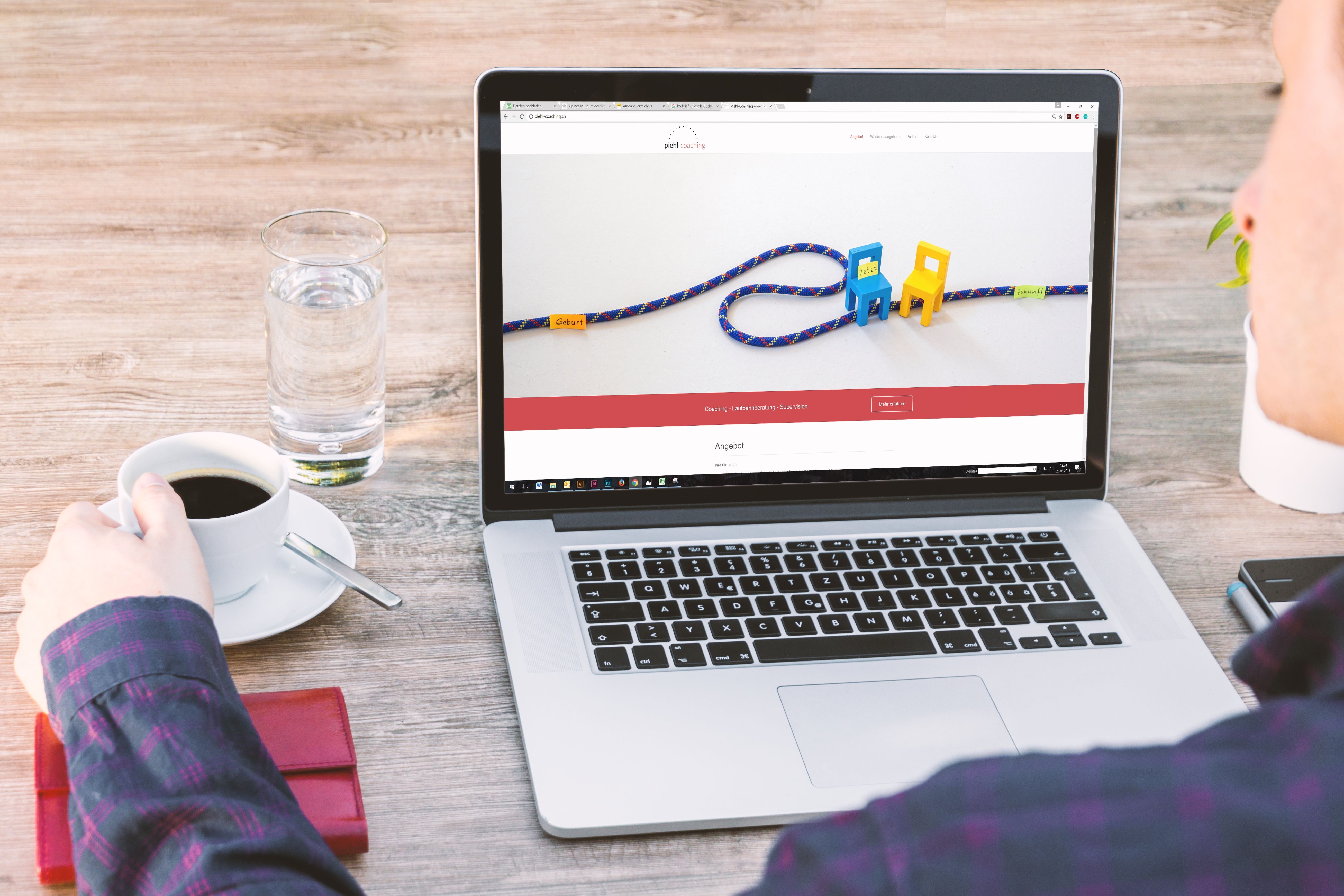
Website design has a direct influence on how visitors move through a site, understand the offer, and decide whether to take the next step. A well-designed website does more than look polished; it supports SEO, improves usability, and makes it easier for people to find information, trust the business, and act with confidence.
For Backlink Works Insights, this means thinking beyond visuals alone. Higher conversion rates usually come from a combination of responsive design, clear page structure, fast loading, helpful content layout, strong navigation, and a smooth mobile experience. Design can support these outcomes, but the results always depend on traffic quality, offer clarity, trust signals, copy, and testing.
Start with a clear conversion goal
Every important page should have a single primary action. For a business website, that might be booking a call, requesting a quote, or submitting an enquiry. For ecommerce, it may be adding a product to the basket or completing checkout. If a page tries to do too much, visitors can lose focus.
Before redesigning anything, define what success looks like for each page type. A homepage should guide visitors to the right next step. A service page should answer key questions and lead to contact. A product page should reduce uncertainty and make buying straightforward. Clear goals make it easier to shape layout, headings, calls to action, and supporting content.
This approach also supports SEO-friendly website design because search engines and users both benefit from pages with clear purpose, logical structure, and relevant content.
Build a structure that is easy to scan
Website structure affects both user experience and search visibility. People tend to scan pages rather than read every word, so information needs to be organised in a simple, logical way. Use descriptive headings, short sections, and clear internal links so visitors can move through the site without confusion.
Navigation should reflect the way people actually search for information. For example, a service business might group content by service type, industry, or location. An ecommerce store might organise products by category, use filters carefully, and keep the basket and checkout easy to access. A blog or consultancy site should link related content in a way that helps visitors explore topics in depth.
Good structure also helps search engines crawl and understand your pages. When important pages are linked from the main navigation or related content, they are easier to discover and may be easier to evaluate for relevance. For deeper planning, a free website SEO audit can help identify structural issues that affect visibility and usability.
Use responsive and mobile-first design principles
Responsive web design is now a basic requirement, not an optional extra. Pages should adapt cleanly to different screen sizes without forcing users to pinch, zoom, or hunt for buttons. Mobile-first design takes this further by planning the smallest screen experience first, then enhancing it for larger devices.
This is especially important for service pages, product pages, and landing pages, where a lot of conversions happen on mobile devices. Buttons should be large enough to tap easily. Text should be readable without effort. Forms should be short and simple. Sections should stack in a sensible order so the most important message appears early.
Mobile usability also affects SEO because search engines evaluate how well a page works on smaller screens. If a page is difficult to use on mobile, it can create friction for both users and search engines.
When testing mobile layouts, check the spacing around links, the length of forms, the position of key calls to action, and whether sticky elements block the content. Small adjustments here can make the experience far more usable.
Improve page speed and Core Web Vitals
Website performance is closely linked to conversion. If a page loads slowly or shifts around while loading, visitors are more likely to leave before they engage. Speed also supports SEO because Core Web Vitals and general performance are part of the broader user experience search engines look at.
Focus on practical improvements such as compressing images, limiting unnecessary scripts, reducing oversized page elements, and choosing reliable hosting. WordPress website design often benefits from careful plugin management, lightweight themes, and performance optimisation rather than adding more tools.
It is useful to test pages with a performance tool such as PageSpeed Insights. This helps you identify layout shifts, slow-loading resources, and other issues that may affect how visitors experience the page.
Speed improvements should never damage clarity. A fast page that hides important information is not better than a slightly heavier page that communicates well. Aim for a balance between clean design, useful content, and technical efficiency.
Design layouts that support trust and action
Good UI design helps people feel confident. The layout should guide attention naturally from the headline to the supporting details and then to the call to action. Avoid clutter, competing buttons, and unnecessary distractions that pull attention away from the main task.
For business websites, trust signals matter. These may include clear service descriptions, contact details, team information, accreditations, client logos, case studies, or genuine testimonials. For ecommerce website design, trust can also come from visible delivery details, returns information, secure payment cues, and transparent pricing.
Landing pages should keep the message aligned with the traffic source. If someone clicks an advert or search result about a specific service, the page should deliver that exact information quickly. Product pages should answer common questions about size, materials, delivery, compatibility, and returns before the user has to leave the page.
Calls to action should be clear and specific. “Get a quote”, “Book a consultation”, and “Add to basket” work better than vague prompts because they tell people what happens next.
Make content layout easier to understand
Content layout is one of the most overlooked parts of conversion-focused design. Even strong copy can underperform if it is buried in long, dense blocks of text. Use headings, short paragraphs, bullet points, and visual spacing to make key messages easier to absorb.
For service pages, explain the problem, the solution, the process, and the next step. For product pages, lead with the product benefit, then support it with features, images, and practical details. For blog content, connect educational sections with relevant calls to action that guide readers to the next logical page.
Accessibility is also part of good layout. Use sufficient contrast, meaningful link text, readable font sizes, and clear focus states for keyboard users. This supports a better experience for everyone, not just users with assistive technologies.
Search engines also understand structured content more easily when pages are organised clearly. Good headings, internal links, and concise copy help connect design, SEO, and usability in a practical way.
Test, measure, and refine over time
Website design should not be treated as a one-time project. User behaviour changes, content grows, and business goals evolve. Track how people move through your site using analytics, heatmaps, scroll data, and form completion reports where appropriate.
Look for signs of friction. Are visitors leaving service pages without contacting you? Are product pages seeing basket additions but low checkout completion? Are people missing the main call to action on mobile? These patterns can reveal whether the page layout, copy, or navigation needs improvement.
Small testing cycles are often more effective than large redesigns. You might test a different headline, move a form higher on the page, simplify the menu, or shorten a checkout step. Changes should be based on user behaviour, not guesswork.
If you want to compare design and technical priorities more broadly, Backlink Works provides SEO education that can complement website growth planning without relying on quick fixes.
Best practices checklist
Use this checklist as a practical starting point when improving a website for higher conversions:
- Define one clear goal for each important page.
- Keep navigation simple and consistent.
- Use responsive, mobile-first layouts.
- Place the primary call to action where it is easy to find.
- Improve page speed and check Core Web Vitals.
- Break up text with headings and short sections.
- Add trust signals where they are genuinely helpful.
- Make forms short, clear, and easy to complete.
- Use internal links to guide users to relevant content.
- Review analytics and refine based on behaviour.
Conclusion
Improving website design for higher conversion rates is about creating a site that is useful, clear, fast, and trustworthy. Strong design supports SEO through crawlability, mobile usability, content structure, accessibility, internal linking, and user experience, while also helping visitors understand what to do next.
Whether you are working on a WordPress site, an ecommerce store, a service business, or a growing startup, the same principle applies: reduce friction and make the next step obvious. Results depend on many factors, but better design gives your content and offer a stronger chance to perform well over time.
Frequently Asked Questions
What is conversion-focused website design?
It is a design approach that helps visitors complete a specific action more easily, such as contacting you, signing up, or buying a product.
Does better website design improve SEO?
It can support SEO by improving crawlability, mobile usability, page speed, accessibility, and user experience, all of which help search engines understand and evaluate your site.
What matters most on a landing page?
Clarity matters most. The page should match the visitor’s intent, explain the offer quickly, and make the next action obvious.
Should I redesign my whole website to improve conversions?
Not always. In many cases, small changes to layout, messaging, navigation, forms, or speed can improve usability without a full redesign.
- Sponsored Ad -





