
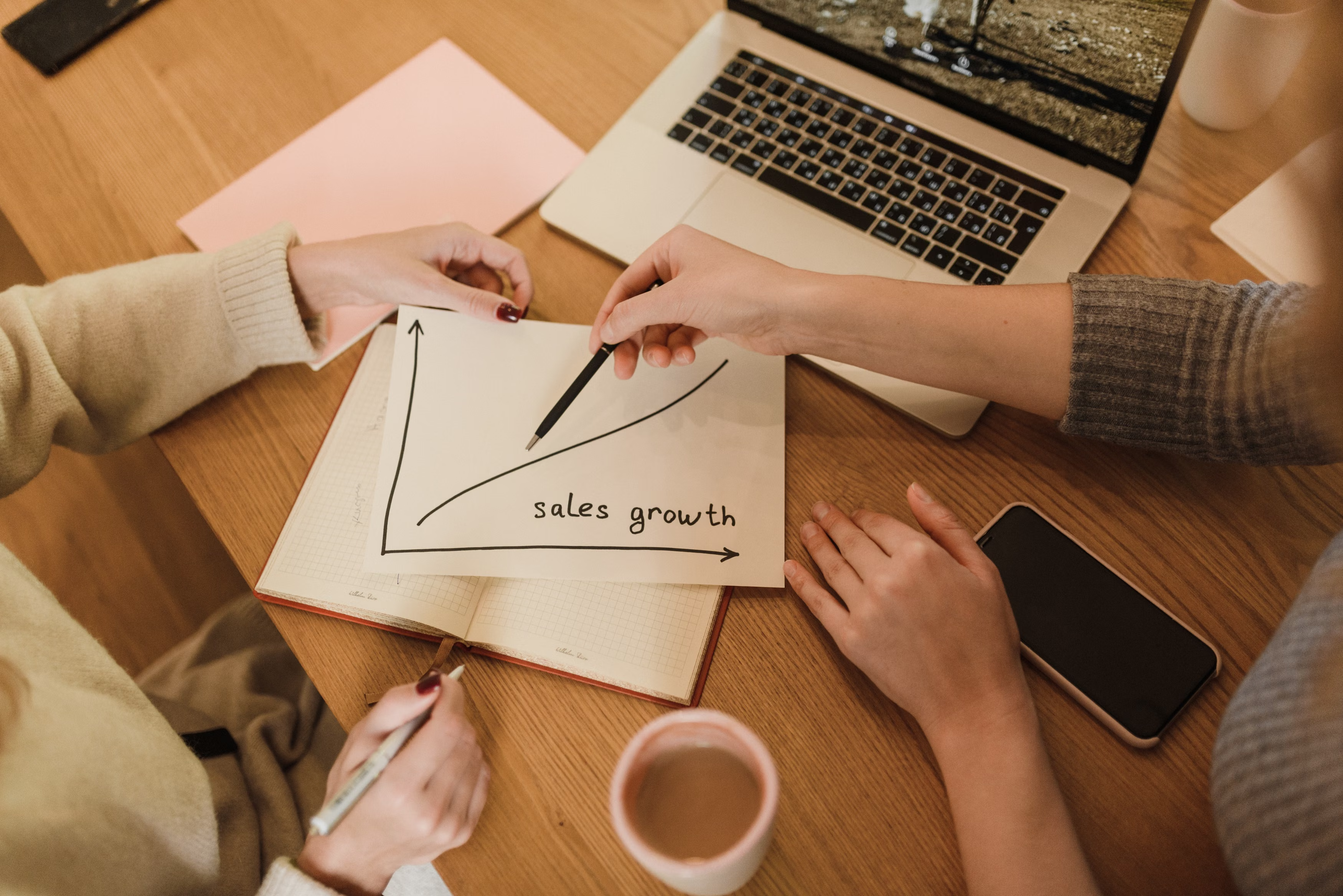
Instagram marketing is more than posting attractive images. For many businesses, it is a practical channel for building awareness, encouraging website visits, and generating leads. When used as part of a wider digital marketing strategy, it can support content marketing, brand trust, and conversion-focused growth.
The most effective Instagram campaigns are usually consistent, audience-led, and measured carefully. They work best when they connect social content with a clear website journey, strong messaging, and sensible use of organic posts, Stories, Reels, and paid promotion.
Why Instagram matters in a broader marketing strategy
Instagram is a visual platform, but its real value comes from how it supports business visibility and customer acquisition. It can introduce your brand to new audiences, reinforce your expertise, and guide people towards your website, newsletter, booking page, or online shop.
For small businesses, ecommerce brands, agencies, bloggers, and consultants, Instagram often works as an awareness and consideration channel. That means it can help people discover your brand, learn what you offer, and take the next step when they are ready. It is especially useful when paired with SEO, email marketing, Google Ads, and conversion optimisation.
If you are mapping out a wider growth plan, it helps to think of Instagram as one part of your online visibility system rather than a standalone channel. A useful starting point is to review your website journey and content gaps with a free website SEO audit.
Build a profile that supports trust and clicks
Your Instagram profile should clearly explain who you help, what you do, and what someone should do next. This is not just branding; it affects click-throughs, lead generation, and overall reputation.
Use a recognisable profile photo, a concise bio, and one primary call to action. If your business serves local customers, include location cues and contact details. If you sell online, make your shop, offer, or main landing page easy to find. The aim is to reduce friction, not to overload the profile with information.
Also keep your messaging consistent with your website. When someone taps through from Instagram, they should recognise the same tone, offer, and value proposition. This helps create a smoother user experience and supports conversion rate optimisation.
Create content that informs, engages, and guides action
Good Instagram content does more than entertain. It should help your audience understand a problem, see a practical solution, and trust your business. That may include educational carousel posts, short-form video, behind-the-scenes content, testimonials, FAQs, or product demonstrations.
Think in content themes rather than random posts. For example, a marketing consultant might rotate between advice, client education, common mistakes, and case-based examples. An ecommerce brand might focus on product use, comparisons, customer questions, and seasonal buying guides. A local business might share services, results, location-based content, and staff expertise.
Keep captions clear and purposeful. Use natural language, a simple hook, and one action you want the reader to take. That action may be saving the post, visiting a landing page, replying in comments, or subscribing to email updates. Strong content marketing does not always mean selling immediately; it often means building interest and trust first.
It is also worth repurposing content from your website blog, guides, or FAQs into Instagram-friendly formats. This can improve efficiency while keeping your messaging aligned across channels. If you want inspiration for search-led content planning, the Google Search SEO Starter Guide is a helpful reference for understanding the basics of discoverability.
Use Instagram to support traffic, leads, and conversions
Instagram can drive website traffic, but it usually works best when the next step is obvious and relevant. Instead of linking to a generic homepage, send people to a specific landing page, lead magnet, product collection, booking page, or article that matches the post.
For lead generation, consider offers that fit your audience’s stage in the buying journey. Examples include a checklist, newsletter signup, consultation request, free quote form, webinar registration, or downloadable guide. The fewer steps between interest and action, the better the experience is likely to be.
Paid promotion can support this process, but results depend on targeting, budget, creative quality, landing page relevance, competition, and tracking. A small, well-structured campaign often performs better than a broad, unfocused one. Use paid social to test messages, reach new segments, and retarget engaged users, but do not assume it will fix a weak offer or poor website.
For businesses looking to strengthen overall digital marketing performance, Backlink Works can also support website visibility through backlink-building resources that fit into a wider SEO approach.
Optimise for discovery with search-led thinking
Instagram is not a replacement for SEO, but search-friendly thinking still matters. Use keywords naturally in your name field, bio, captions, alt text, and on-screen video text where appropriate. This helps people understand your content and may improve discoverability within the platform.
Hashtags can help with topic relevance when used carefully, but they are not a shortcut. Focus on specific, meaningful tags rather than large generic sets. Your goal is to make content easier to categorise and easier for the right audience to understand.
Also think about how your Instagram content supports search visibility beyond the platform. A useful post can inspire blog content, FAQ pages, comparison articles, or service pages that bring in search traffic over time. In that sense, social media marketing and SEO-driven marketing can reinforce one another.
Measure what matters and keep improving
Marketing analytics should guide your Instagram decisions. Look beyond likes and followers, and pay attention to saves, shares, profile visits, link clicks, website sessions, enquiries, and conversions. These are more useful signals for business growth than vanity metrics alone.
Track which content themes generate the strongest engagement and which drive the most meaningful actions on your site. If a certain format gets attention but no website visits, the content may be entertaining but not commercially useful. If a post brings clicks but few enquiries, your landing page or offer may need work.
Use A/B testing where possible. Compare different hooks, captions, thumbnails, calls to action, and landing pages. Over time, this kind of testing can improve conversion quality and reduce wasted effort. Social media marketing works best when it is treated as an ongoing optimisation process, not a one-time campaign.
Checklist for better Instagram performance:
- Clarify your profile message and call to action.
- Post content aligned with audience needs and buying intent.
- Link to focused landing pages, not just a homepage.
- Use a mix of organic posts and carefully targeted paid campaigns.
- Review analytics regularly and refine based on real behaviour.
Common mistakes to avoid
One of the biggest mistakes is posting without a clear business goal. If you want leads, your content and links should support that outcome. If you want brand visibility, your messaging should be consistent and memorable.
Another mistake is relying only on visuals while ignoring copy, landing pages, and analytics. Good design helps, but it does not replace clarity. Avoid using misleading claims, engagement bait, or spammy outreach tactics. These may harm trust and weaken your online reputation.
Finally, do not treat Instagram as disconnected from the rest of your marketing. The strongest results usually come when social content, website content, email marketing, PPC, and SEO all support the same customer journey.
Conclusion
Instagram marketing works best when it is practical, consistent, and tied to measurable business goals. A strong profile, useful content, focused calls to action, and careful tracking can help improve online visibility, support lead generation, and send qualified visitors to your website.
For most businesses, the key is not doing more posts for the sake of activity. It is creating content that fits your audience, supports your wider digital marketing strategy, and gives people a clear reason to take the next step.
Frequently Asked Questions
How often should a business post on Instagram?
There is no universal rule. Consistency matters more than volume, so choose a schedule you can maintain while keeping content useful and relevant.
Can Instagram help with SEO?
Instagram does not directly replace SEO, but it can support discoverability, brand searches, content ideas, and referral traffic to your website.
What type of content works best for lead generation?
Educational posts, clear offers, testimonials, webinars, checklists, and landing pages usually work well because they create a logical next step.
Should businesses use paid Instagram ads?
Paid ads can help with reach and testing, but results depend on targeting, creative, budget, landing page quality, and tracking.
- Sponsored Ad -





