
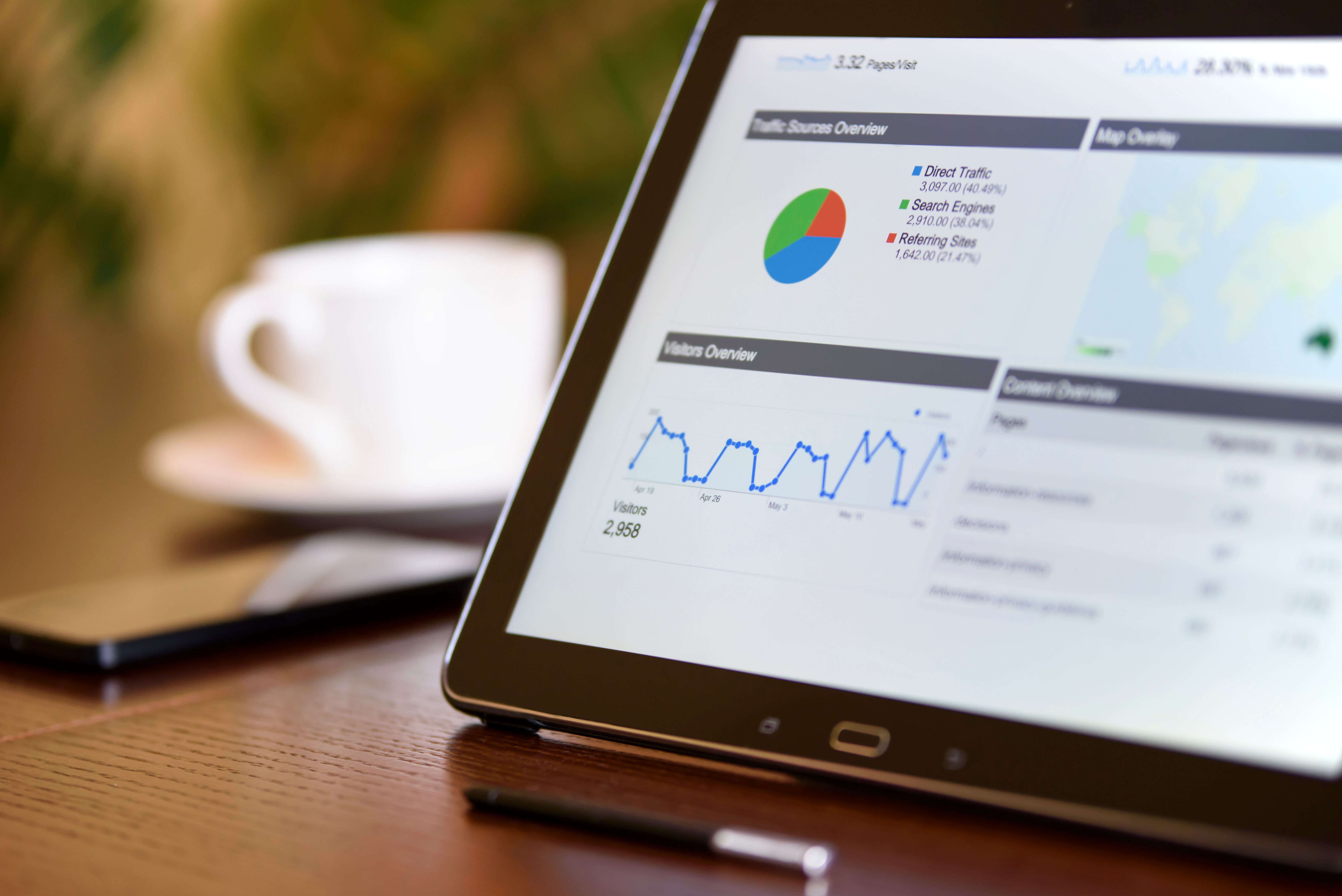
Keyword tracking sits at the centre of many SEO audits because it shows how search visibility changes over time. It helps you see which pages are gaining ground, which terms are slipping, and whether technical or content changes are affecting performance.
For website owners, bloggers, ecommerce teams, agencies, and WordPress users, the right mix of keyword tracking tools can turn raw data into practical next steps. The challenge is choosing tools that fit your website size, budget, and reporting needs without relying on vanity metrics or overcomplicated dashboards.
What keyword tracking tools actually do
Keyword tracking tools monitor where your pages appear in search results for selected terms. Some tools focus on daily or weekly rank monitoring, while others combine rankings with search volume, competitor data, click-through rate trends, and visibility estimates.
For SEO audits, this matters because rankings often reveal issues that are not obvious from a site crawl alone. A page may be technically sound but still lose positions because the content is outdated, search intent has shifted, or competitors have improved their pages.
For rank monitoring, the most useful tools are the ones that show changes clearly and let you segment by device, location, page, or keyword group. That is especially important for local SEO, ecommerce category pages, and international sites.
Free tools are useful, but they have limits
Many teams begin with free SEO tools because they are enough for basic monitoring and audit work. Google Search Console is the first place to check for search queries, impressions, clicks, indexing issues, and page-level performance. Google Analytics 4 adds on-site behaviour data, which helps you connect search visibility with engagement.
For speed and technical checks, PageSpeed Insights is useful for reviewing Core Web Vitals and performance recommendations. It is not a rank tracker, but it can highlight issues that affect user experience and, indirectly, search performance. You can also use Google’s own Search Console as a reliable starting point for keyword and page monitoring.
Free keyword research tools and Chrome extensions can help you discover ideas, inspect SERPs, and spot basic opportunities. However, free tools often limit keyword counts, historical data, competitor depth, or automated reporting. That is not a problem if you only need a simple setup, but it becomes restrictive for larger websites or agencies.
What to look for in a rank tracking workflow
The best keyword tracking setup depends on your goals. A small local business may only need a handful of priority terms, local packs, and Google Search Console data. An ecommerce store may need category-level monitoring, product page segmentation, and competitor comparison. A publisher may care more about clusters, freshness, and changing search intent.
Before choosing a tool, check whether it supports the following:
- Daily or scheduled rank updates
- Location and device-specific tracking
- Support for branded and non-branded keywords
- Keyword grouping by page, topic, or campaign
- Exports or dashboards for reporting
- Competitor comparison
- Integration with analytics or search console data
If you are building reports for clients or internal stakeholders, a reporting layer matters as much as the rank data itself. Tools that connect with Looker Studio can make it easier to present trends, annotate changes, and compare periods without manual spreadsheet work.
Using keyword tools alongside audits and technical SEO
Rank tracking is most useful when it is paired with audit tools. A crawl tool can reveal broken internal links, missing metadata, duplicate content, and indexation problems. A schema markup tool can help you validate structured data. Technical SEO tools also help identify problems with crawlability, redirects, canonical tags, and sitemap quality.
This combination is important because ranking drops are not always caused by content alone. Sometimes the issue is a technical change, a template update, a page speed regression, or a search engine indexing problem. A keyword tracker tells you that something changed; audit tools help you work out why.
For site owners using WordPress, SEO plugins can help manage titles, descriptions, and schema basics, but they do not replace monitoring. Similarly, ecommerce SEO tools can surface product and category trends, yet they still need support from strong content, internal linking, and clean site architecture.
How to use keyword tracking data in practice
Start by tracking a focused set of keywords tied to business priorities rather than every possible search term. Group them by page type, intent, or funnel stage. For example, a service business might track “near me” terms, service page keywords, and branded searches separately.
Then compare rank changes with other signals. If a page falls in rankings, check whether impressions, clicks, and engagement have also changed in Search Console and GA4. Review the page content, internal links, page speed, and competitors’ SERP features before making edits.
A practical review cycle might look like this:
- Weekly: check priority keyword movements and notable losses
- Monthly: compare rankings with organic traffic and conversions
- Quarterly: review keyword groups, content gaps, and technical issues
If you need a wider site check before refining rankings, a free website SEO audit can help highlight technical and on-page issues that may affect visibility. For reporting, many teams also use Looker Studio to combine rank data with analytics in one view.
Best practices and common mistakes to avoid
Good keyword tracking is about consistency, not chasing every movement. Rankings can fluctuate because of location, personalisation, search intent, or temporary SERP changes. Focus on trends rather than reacting to every small shift.
Common mistakes include tracking too many low-value keywords, ignoring local and device variation, and relying only on one source of data. Another issue is treating rankings as the goal rather than a signal. Search visibility is important, but it should be measured alongside clicks, engagement, and business outcomes.
If you publish content regularly, combine rank monitoring with content optimisation tools, competitor analysis tools, and backlink checker tools where appropriate. That gives you a broader picture of why pages perform well or underperform.
Conclusion
The best keyword tracking tools for SEO audits and rank monitoring are the ones that match your workflow and give you reliable, usable data. Free tools are often enough to start, while paid platforms can add depth, automation, and better reporting when your site grows.
The most effective approach is to combine rank monitoring with analytics, technical audits, page speed checks, schema validation, and content review. Tools can improve decision-making, but they work best when paired with a clear SEO strategy and consistent implementation. For teams looking to build a more structured visibility process, Backlink Works offers educational resources across SEO, digital marketing, and website growth.
Frequently Asked Questions
What is the difference between keyword tracking and keyword research?
Keyword research helps you find terms to target. Keyword tracking monitors how those terms perform over time in search results.
Are free SEO tools enough for rank monitoring?
They can be enough for small sites or basic checks, but free tools usually have limits on depth, automation, and reporting.
Should I use Google Search Console for keyword tracking?
Yes, it is one of the most useful free tools for query data, clicks, impressions, and page performance. It works best alongside other tools.
How many keywords should I track?
Track the terms that matter most to your pages, categories, services, and business goals. Quality is more useful than quantity.
- Sponsored Ad -





