
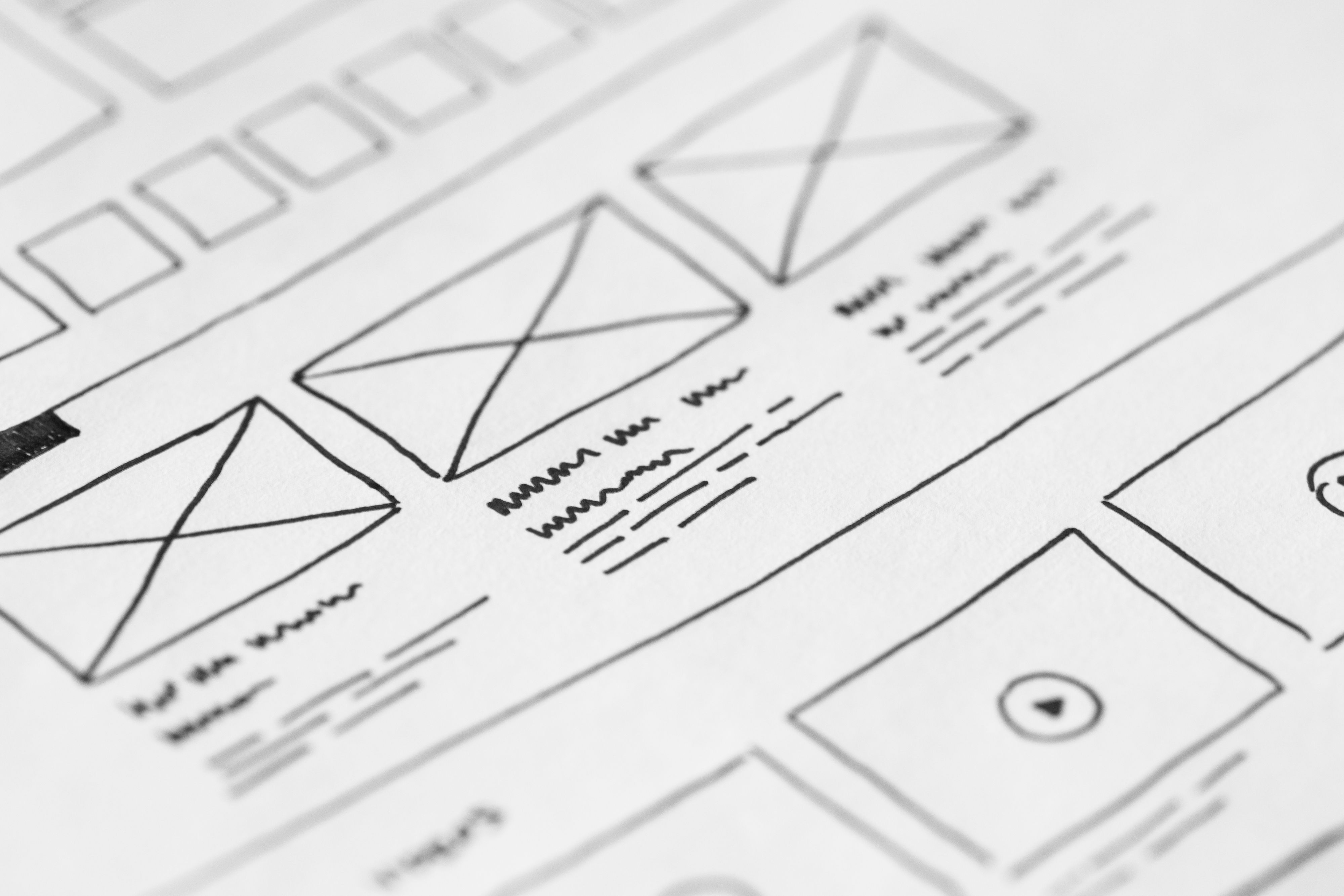
Landing page copywriting sits at the point where website design, search visibility, and user intent meet. A well-written landing page should guide visitors quickly, explain the offer clearly, and support the page structure that search engines and users can understand.
For businesses, the goal is not just to write persuasive text. It is to create a page that loads quickly, reads well on mobile, feels trustworthy, and gives people enough clarity to take the next step. That means copy, layout, navigation, and technical performance all need to work together.
What landing page copywriting means in an SEO-friendly design context
Landing page copywriting is the process of writing page content that helps visitors understand an offer and take action. On an SEO-friendly website, that copy also needs to support crawlability, relevance, and user experience.
Unlike a blog post, a landing page usually has a single goal. That might be enquiries, bookings, downloads, demo requests, or product purchases. The copy should match that goal closely and avoid unnecessary distractions. In practice, this means the page layout should be simple, headings should be clear, and the call to action should be easy to find.
For service pages, ecommerce product pages, and business landing pages, strong copy helps search engines interpret the page topic while helping visitors decide whether the offer fits their needs. If the message is vague or buried in a cluttered layout, both SEO and conversions can suffer.
Start with user intent and page purpose
Before writing, define what the visitor is likely looking for and what action you want them to take. A landing page for a local accountant, for example, should not read like a general homepage. It should speak directly to the service, the audience, and the outcome.
Good landing page copy reflects intent in a practical way. If someone arrives from a search for “website design for small businesses”, they probably want clarity on process, deliverables, pricing signals, trust indicators, and next steps. The page should answer those needs without forcing people to hunt for basic information.
This is where content structure matters. A useful landing page usually moves from a clear headline to a short explanation, then supporting benefits, proof points, FAQs, and a focused call to action. That structure helps visitors scan the page quickly, especially on mobile devices.
Useful questions to answer in the copy
What is this page offering? Who is it for? Why does it matter? What happens next? What should the visitor do if they are interested?
Write clear headings, subheadings, and body copy
Headings are not just visual elements. They shape the page hierarchy and make content easier to read, index, and navigate. A strong landing page uses one clear theme and supporting subheadings that break the message into manageable sections.
Keep the language plain and direct. Avoid long, abstract sentences that hide the real benefit. If the page is for a WordPress design service, say what the service includes, who it helps, and what makes the experience better for the user or business. If the page is for a product, explain the product’s key features in a way that supports informed decisions.
Body copy should be readable in short blocks. This improves the user experience on smaller screens and makes the page less tiring to scan. It also helps with accessibility, especially when paired with a logical heading structure and descriptive link text.
Where relevant, link naturally to supporting resources. For example, if you want to review a site’s structure, mobile performance, or page experience before improving a landing page, a free website SEO audit can help identify practical design and content issues.
Design for conversion without sacrificing trust
Conversion-focused design should make the next step obvious, not force it. That means clear buttons, enough spacing, consistent visual hierarchy, and a page layout that keeps the offer central. A landing page does not need to be busy to be effective.
Trust signals are especially important. These may include service details, product specifications, delivery information, testimonials that are genuine, team information, certifications, or a brief explanation of your process. The aim is to reduce uncertainty, not create pressure.
Good copy also supports conversion by reducing friction. If pricing is available, explain it clearly. If the service involves a consultation, say what happens during the call. If an ecommerce page is selling a product, include practical information that helps buyers feel confident.
For SEO-friendly conversions, there should be a balance between keyword relevance and human clarity. Search engines may bring the visitor to the page, but the copy and design need to answer the real question: “Is this right for me?”
Make the layout work on mobile and across devices
Responsive web design and mobile-first thinking are essential for landing pages. Many visitors will arrive on a phone, so the content needs to remain clear when viewed on a smaller screen. Long paragraphs, crowded sections, and oversized forms can all hurt usability.
Mobile-friendly landing page copy is usually shorter, sharper, and more scannable. Use concise sentences, descriptive headings, and clear calls to action. Keep the most important information near the top, but avoid overwhelming people with too many claims at once.
Website structure also matters here. A strong page layout uses consistent spacing, readable font sizes, and logical grouping of content. If forms are involved, keep the fields minimal and explain why you are asking for each detail where needed. This supports both conversion and accessibility.
Internal linking can also help users move through the site when they are not ready to convert immediately. For broader guidance on content structure and site growth, Backlink Works offers website growth and SEO resources that can complement your landing page planning.
Support SEO with structure, speed, and accessibility
Landing page copy does not exist alone. It works best when the page is built on a solid technical and design foundation. Search-friendly design supports crawlability, mobile usability, internal linking, and page performance.
Page speed is particularly important. If a landing page is slow, visitors may leave before reading the copy. Large images, heavy scripts, and unnecessary layout complexity can all affect performance. Good design keeps the page lightweight while still presenting the offer clearly.
Core Web Vitals are also relevant because they reflect the real experience of loading and interacting with a page. A landing page should feel stable, quick to use, and responsive. You can review performance using Google’s PageSpeed Insights tool, which helps identify common speed and usability issues.
Accessibility matters too. Clear contrast, descriptive button text, logical heading order, and readable language make landing pages easier to use for more people. That is good for inclusivity and can also support search performance indirectly through better engagement.
Practical best practices and common mistakes
A useful landing page should be focused, credible, and easy to navigate. Here is a simple checklist to keep in mind:
- Use one clear page goal.
- Keep the headline specific and aligned with the visitor’s intent.
- Break copy into short sections with helpful subheadings.
- Place the main call to action where it is easy to find.
- Keep forms short and only ask for necessary details.
- Use images and visual elements that support the message.
- Check mobile layout, spacing, and tap targets.
- Test page speed and review the page on real devices.
Common mistakes include writing too much generic copy, hiding key information below long introductions, overusing jargon, and relying on design effects instead of clarity. Another issue is making the page look polished while ignoring performance, which can reduce engagement and trust.
It is also important not to treat landing page copy as a one-time task. Review analytics, heatmaps, user feedback, and conversion data to see where visitors stop reading or leave the page. Small changes to headings, layout, form length, and button text can improve clarity over time, but results will depend on traffic quality, offer strength, page relevance, and testing.
Conclusion
Landing page copywriting works best when it is part of a broader website design strategy. Clear copy, responsive layouts, fast loading pages, accessible structure, and focused calls to action all help visitors understand your offer and move towards the next step.
For SEO-friendly conversions, think beyond persuasion alone. Build a page that is easy to find, easy to read, and easy to use. That is the foundation for better engagement and more meaningful business growth over time.
Frequently Asked Questions
What makes landing page copy SEO-friendly?
It matches search intent, uses clear headings, supports the page topic, and is easy for both users and search engines to understand.
How long should landing page copy be?
It should be long enough to explain the offer clearly and answer key objections, but not so long that it becomes repetitive or hard to scan.
Does page design affect landing page conversions?
Yes. Layout, mobile usability, speed, readability, trust signals, and form design all influence how easily visitors can act.
Should every landing page include SEO keywords?
Yes, but naturally. Use keywords where they fit the page purpose, headings, and copy without forcing them into every section.
- Sponsored Ad -





