
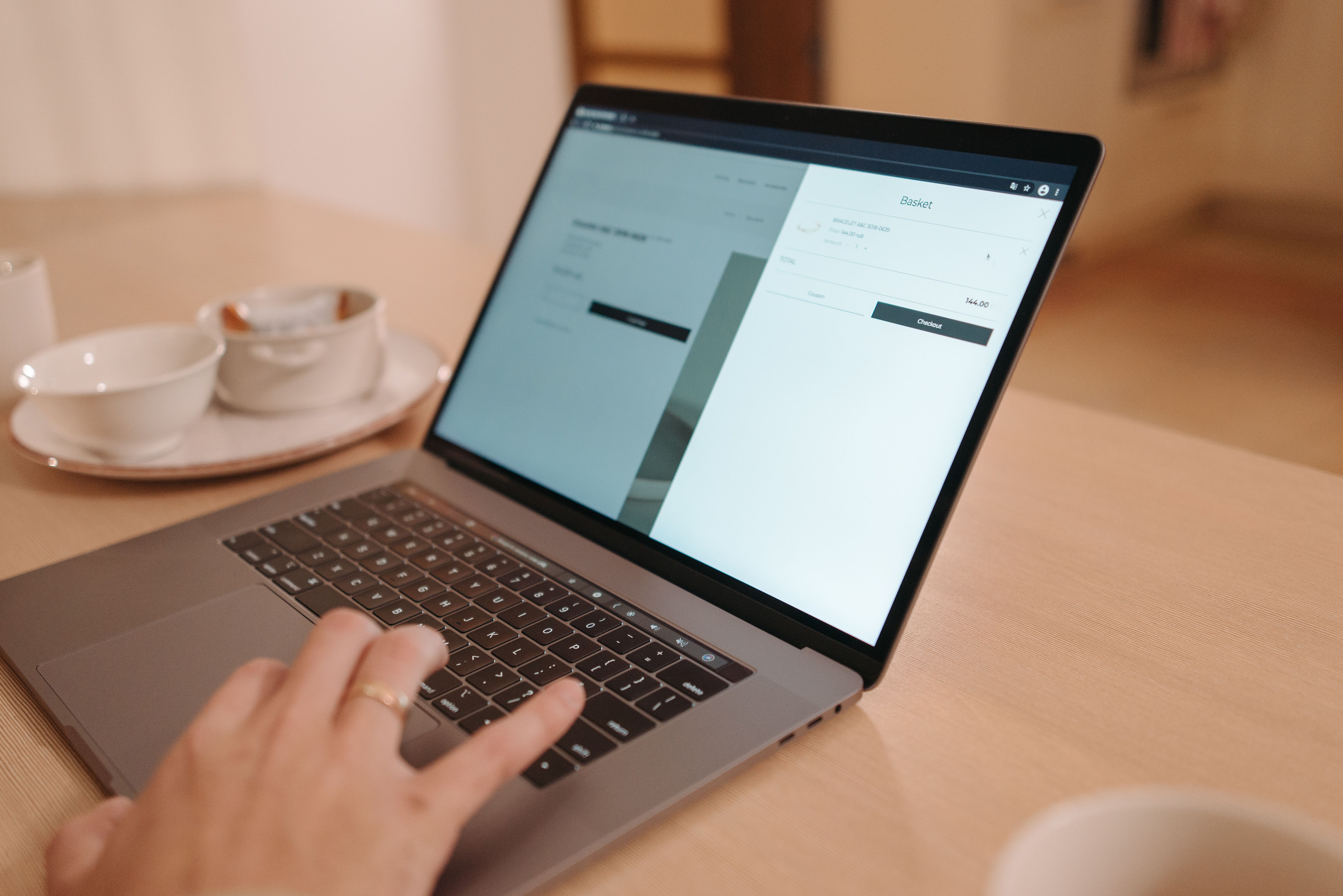
Landing pages play a central role in SEO-friendly website design because they connect search intent with a clear next step. Whether the goal is an enquiry, download, purchase, or booking, the page needs to feel focused, fast, and easy to use on every device.
Good landing page optimisation is not about clever tricks. It is about combining responsive web design, strong content layout, clear navigation cues, and reliable website performance so visitors can quickly understand what the page offers and what to do next.
What landing page optimisation means in website design
Landing page optimisation is the process of improving a page so it is easier for users and search engines to understand, navigate, and act on. In practice, that means reducing friction. The page should match the visitor’s intent, load quickly, present information in a logical order, and make the main action obvious.
For SEO-friendly website design, this also means keeping the page crawlable, using descriptive headings, writing helpful copy, and making sure links, buttons, and content blocks support the overall structure of the site. A landing page should not feel isolated from the rest of the website.
If you are reviewing a page before redesigning it, a free website SEO audit can help identify structural and performance issues that may be affecting usability.
Build the page around a single user goal
The strongest landing pages usually have one primary purpose. That could be encouraging a quote request, product purchase, newsletter signup, or consultation booking. When a page tries to do too much, the message becomes diluted and users may hesitate.
Start by matching the page to user intent. A service page for a local business needs different content from an ecommerce product page. A blog promotion page may need more explanation and trust signals, while a lead generation page may need a shorter path to action.
Keep the main call to action visible without being pushy. Support it with concise benefits, a clear value proposition, and trust-building content such as service details, delivery information, FAQs, or product specifications. The aim is clarity, not pressure.
Design for mobile-first and responsive usability
Most visitors will view many landing pages on a phone, so mobile-first design should guide layout decisions. That means readable text, tap-friendly buttons, enough spacing between elements, and forms that are simple to complete on a small screen.
Responsive web design should do more than resize content. It should preserve hierarchy and usability. For example, a two-column desktop layout may need to become a single, easy-to-scan column on mobile, with the most important message appearing first.
Keep navigation lightweight. On some landing pages, a reduced header or fewer outbound choices can help users stay focused. However, do not hide useful information. A balanced design supports both attention and trust.
Use content layout to support SEO and conversions
A landing page works best when content is easy to skim. Visitors often scan before they read, so use headings, short paragraphs, bullet points, and visual spacing to guide the eye. Each section should answer a simple question: what is this, why does it matter, and what should the visitor do next?
Strong content layout also supports SEO because it helps search engines understand the page structure. Use one clear topic per page, descriptive headings, and relevant internal links where they genuinely help the user. Avoid cluttering the page with unrelated blocks, repeated messages, or vague marketing copy.
For WordPress website design, this often means choosing a clean page builder layout, limiting unnecessary widgets, and keeping the content editor organised. On ecommerce website design, the same principle applies to product pages: features, prices, imagery, delivery information, and reviews should be easy to find without overwhelming the page.
Improve speed, Core Web Vitals, and accessibility
Website speed influences user experience and can affect how people interact with a landing page. If a page is slow, visitors may leave before seeing the offer. Core Web Vitals are useful indicators here, especially for loading experience, responsiveness, and visual stability.
Practical improvements include compressing images, using modern file formats where appropriate, reducing unnecessary scripts, and avoiding heavy animations that do not support the message. If you use a page builder or theme, test how it behaves on real devices rather than assuming it is lightweight.
Accessibility is equally important. Use sufficient colour contrast, meaningful button labels, descriptive alt text, and logical heading order. These details help a wider range of users and also improve overall usability. Google’s performance guidance on web.dev is a useful reference when reviewing speed-related improvements.
Use trust signals and navigation cues without clutter
Landing pages should reassure visitors, but trust signals need to feel natural. Examples include service area details, delivery or returns information, relevant certifications, testimonials where genuine, contact details, and clear policies. For business websites, these elements can reduce uncertainty and make the page feel more reliable.
Navigation should support decision-making. A service page may benefit from anchor links to key sections such as pricing, process, FAQs, or case studies. A product page may need filtering, comparison options, or return information. The goal is not to keep people trapped on one page, but to help them move through the site with confidence.
If you want to improve internal linking, structure the page so related pages are easy to discover. For example, a service landing page can link to supporting pages such as methodology, pricing, or case studies when relevant.
Check performance, then test and refine
Landing page optimisation is not finished after launch. Use analytics, heatmaps, and user feedback to understand how people interact with the page. Look for signs of confusion, such as low scroll depth, form abandonment, or repeated clicks on non-clickable elements.
Testing should focus on meaningful changes. You might compare different headlines, button labels, layouts, or form lengths. Small improvements can matter, but the results will depend on traffic quality, offer clarity, design consistency, copy, and user intent. There is no guaranteed outcome, so changes should be measured carefully.
It also helps to review the page alongside broader site performance. If you need support with technical structure and search visibility, Backlink Works shares SEO education and website growth resources that can help teams make better design decisions without relying on shortcuts.
Common landing page mistakes to avoid
Some of the most common issues are easy to spot once you know what to look for:
- Too many calls to action competing for attention
- Slow-loading images or unnecessary scripts
- Weak headings that do not match search intent
- Overly long forms without clear reasons for each field
- Poor mobile spacing or tiny tap targets
- Hidden information that users need before they convert
These issues can weaken trust and make the page harder to use. A cleaner structure, better visual hierarchy, and more relevant content often provide a stronger foundation than adding more design effects.
Conclusion
Landing page optimisation works best when SEO, UX, and design are considered together. A page that is easy to understand, fast to load, mobile-friendly, and structurally clear has a better chance of supporting business goals in a natural, user-focused way.
For website owners, designers, developers, and marketers, the key is to treat each landing page as part of the wider website experience. When the layout, copy, navigation, and performance all work together, visitors are more likely to stay engaged and move towards the action that matters most.
Frequently Asked Questions
What makes a landing page SEO-friendly?
An SEO-friendly landing page is clear, crawlable, mobile-friendly, fast, and built around one main topic with useful content and logical headings.
Should landing pages have navigation menus?
Sometimes yes, but keep navigation simple. Too many links can distract from the main goal, while a few helpful links can improve trust and usability.
How important is page speed for landing pages?
Very important. Faster pages usually create a better user experience and reduce friction, especially on mobile devices and slower connections.
Can landing pages help with conversions?
Yes, but results depend on traffic quality, offer clarity, trust signals, page layout, and testing. Good design supports conversions rather than guaranteeing them.
- Sponsored Ad -





