
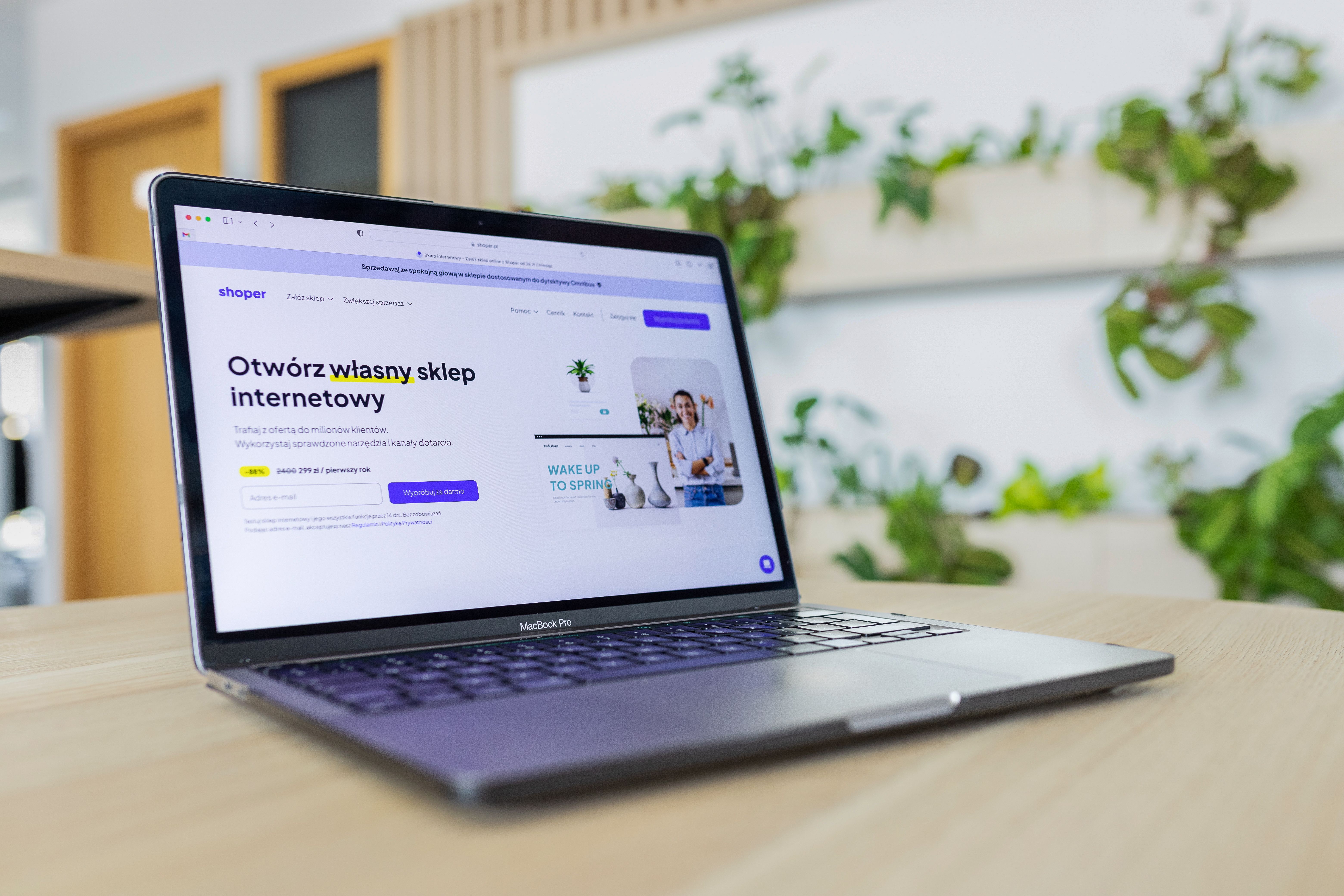
Landing pages play a central role in SEO-friendly website design because they are often the first page people see after searching, clicking an ad, or following a link. A well-designed landing page should help both users and search engines understand the page quickly, while also making it easy to take the next step.
Good landing page design is not just about appearance. It combines clear content structure, mobile usability, page speed, accessibility, internal linking, and focused calls to action. When these elements work together, they support better user experience, stronger crawlability, and clearer conversion paths for business websites, ecommerce brands, service pages, and WordPress sites alike.
What Makes a Landing Page SEO-Friendly?
An SEO-friendly landing page is built to answer a search intent clearly and efficiently. It should match the topic promised in the title, guide users through the content without confusion, and give search engines enough context to understand the page.
This starts with a logical structure. The page needs a clear headline, a concise introduction, meaningful subheadings, and supporting copy that explains the offer or topic. Search engines use these cues to interpret relevance, while users rely on them to decide whether the page is worth reading.
For example, a service page for a local consultant should not bury the main service details beneath generic imagery or long introductory text. The key information should appear early, followed by benefits, trust signals, FAQs, and a clear next step.
Design for Mobile-First and Responsive Experiences
Most visitors now browse on phones or tablets at some point in the journey, so landing pages should be designed mobile-first rather than treated as scaled-down desktop pages. Responsive web design ensures the layout adapts cleanly across screen sizes without forcing users to zoom or scroll awkwardly.
Mobile-first design supports SEO because search engines evaluate how usable a page is on smaller screens. Buttons should be large enough to tap, text should be readable without pinching, and key content should appear before long blocks of secondary information.
It also helps to keep forms short, remove unnecessary distractions, and avoid complex layouts that can break on mobile. For ecommerce product pages, this may mean keeping the product image, price, reviews, and add-to-cart action close together. For service pages, it may mean placing enquiry forms and contact details in obvious positions.
Use Clear Content Layout and Visual Hierarchy
Strong visual hierarchy helps users scan a landing page quickly. The most important message should stand out first, followed by supporting details in a sensible order. This reduces friction and helps people understand what the page offers without effort.
Good layout choices include short paragraphs, bullet lists where useful, descriptive headings, and generous spacing between sections. Avoid crowding the page with multiple competing messages. A landing page works best when one primary goal is clear, whether that is an enquiry, a demo request, a newsletter signup, or a product purchase.
Trust signals should also be placed carefully. Testimonials, accreditations, guarantees, delivery information, or service areas can help build confidence, but they should support the page rather than dominate it. Avoid using misleading urgency or hidden information, as these tactics may harm trust and user satisfaction.
Balance Conversion-Focused Design with SEO Content
A landing page should be designed to convert, but the result depends on traffic quality, offer clarity, copy, trust signals, page design, and user intent. A visually polished page will not perform well if the message is unclear or the page does not match what the visitor expected.
Conversion-focused design usually means making the next action obvious. That might be a visible call to action, a contact form, a booking button, or a product purchase option. However, the design should also support search visibility by including relevant on-page content, internal links, and descriptive copy that answers real questions.
If you want a broader site-wide view of page quality and discoverability, a free website SEO audit can help identify issues in structure, content, and usability that may affect performance.
Improve Speed, Core Web Vitals, and Accessibility
Website performance is a core part of landing page design. Slow pages frustrate users and can reduce the chance that visitors stay long enough to engage. While speed alone does not guarantee better SEO results, it supports a better experience and can improve page usability across devices.
Keep images compressed, avoid unnecessary scripts, and use only the design features that genuinely help the page. Large sliders, heavy animations, and too many third-party plugins can make WordPress landing pages slower and harder to maintain. Clean development and careful plugin use are especially important for business websites and ecommerce stores.
Accessibility should also be part of the process. Use clear contrast, readable font sizes, descriptive labels for forms, and proper heading order. This helps users with different browsing needs and supports better content understanding for all visitors. Google’s performance guidance is a useful reference for improving speed in a practical way.
Build a Page Structure That Supports SEO and Navigation
Landing pages do not need full site navigation in every case, but they should still fit into a larger website structure. A page should be easy to find from relevant category pages, service hubs, product collections, or blog articles. Internal linking helps search engines discover related pages and gives users a clearer path to explore more information.
For business websites, this may mean linking from a service overview page to a detailed landing page for a specific offering. For ecommerce websites, it may mean linking from category pages to product pages with clearer purchase intent. For content-led sites, a landing page can connect to supporting educational articles that answer follow-up questions.
When mapping page structure, think about intent. A visitor comparing services may need evidence, case studies, pricing context, or FAQs. Someone searching for a product may need specifications, benefits, delivery details, and returns information. The design should make those paths easy to follow.
Practical Landing Page Best Practices Checklist
Before publishing a landing page, review the following points:
- Use one clear primary goal for the page.
- Place the main headline and value proposition near the top.
- Keep the layout simple and mobile-friendly.
- Use descriptive headings and short, readable paragraphs.
- Include trust signals that are genuine and relevant.
- Make forms, buttons, and contact options easy to find.
- Compress media and minimise unnecessary scripts.
- Link to related pages where it helps users continue their journey.
For teams working in WordPress, it is worth testing layout changes carefully. Themes, page builders, and plugins can all affect speed, responsiveness, and content structure. A page built in Elementor, for example, should still follow the same principles of clarity, accessibility, and performance as any other platform.
Conclusion
Landing page best practices are not just about visual appeal. They are about creating pages that are easy to use, easy to understand, and easy to crawl. When SEO-friendly website design, responsive layouts, content clarity, and performance are handled well together, landing pages can support both visibility and user engagement.
Whether you are building a service page, product page, lead generation page, or ecommerce landing page, the most effective approach is usually the simplest one: match the user intent, keep the structure clear, and remove anything that slows people down or distracts from the goal. For more website growth guidance, Backlink Works shares practical resources on improving online visibility without relying on shortcuts.
Frequently Asked Questions
What is an SEO-friendly landing page?
It is a landing page designed to match search intent, load quickly, work well on mobile, and present information in a clear, structured way.
Do landing pages need navigation menus?
Not always. Some pages work better with minimal navigation, but they should still fit into a clear site structure and connect to related pages where useful.
How does page speed affect landing page performance?
Faster pages usually provide a better user experience and can reduce frustration, which supports engagement and usability.
Should every landing page be built the same way?
No. Service pages, product pages, and lead generation pages have different goals, so the layout, copy, and calls to action should reflect user intent.
- Sponsored Ad -





