
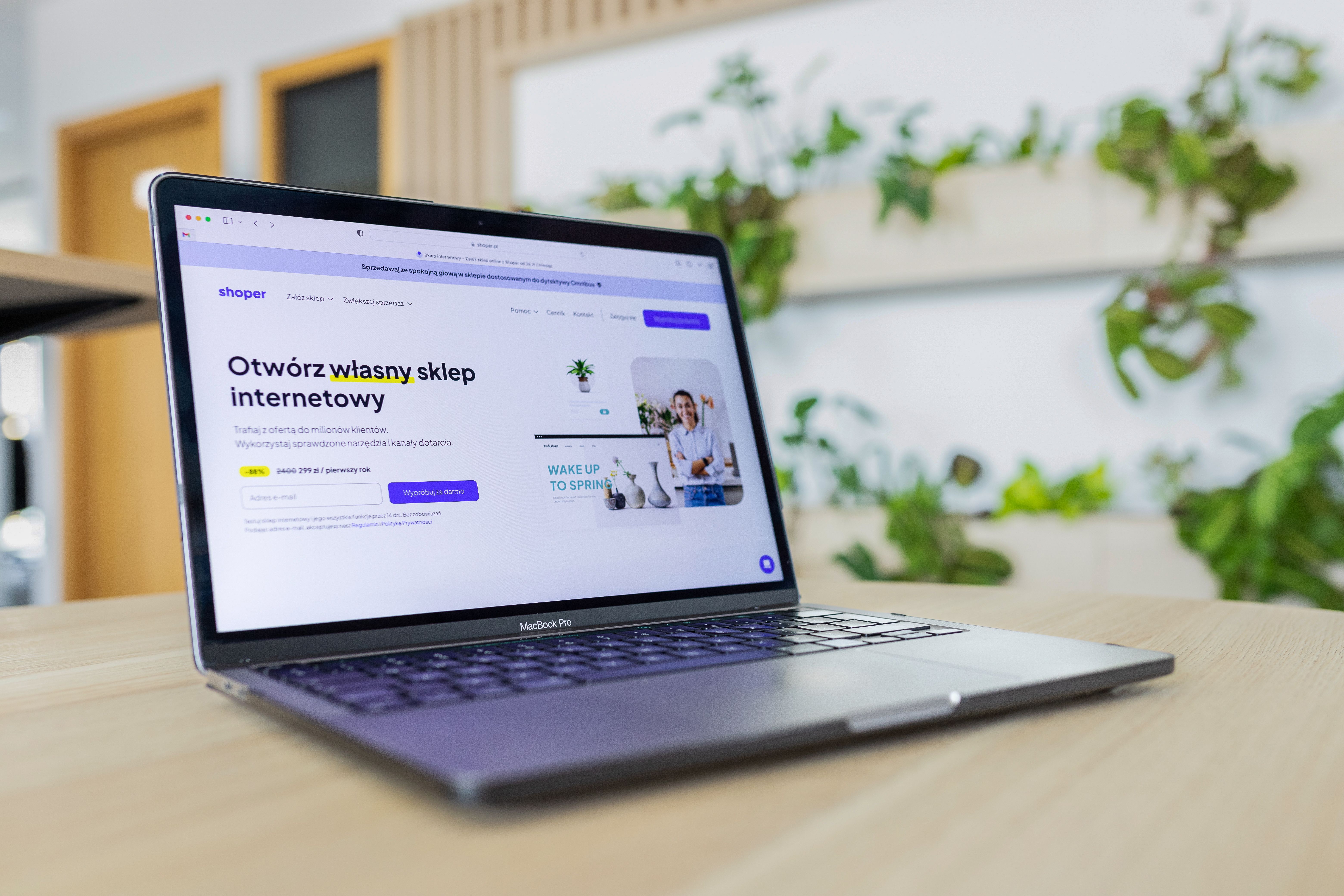
Lead generation website design is about more than making a site look polished. It is about helping the right visitors understand your offer quickly, trust your business, and take a clear next step, whether that is submitting a form, booking a call, requesting a quote, or downloading a resource.
For businesses, this matters because design affects both visibility and action. A well-structured site supports SEO through crawlability, mobile usability, content hierarchy, internal linking, accessibility, and page speed. It also improves user experience, which can make it easier for visitors to move from interest to enquiry.
What Lead Generation Website Design Means
Lead generation design combines strategy, UX, UI, and content layout. The goal is not just to attract traffic, but to guide visitors towards a useful conversion point. That might be a contact form on a service page, a consultation booking page, a product enquiry form, or a landing page built around a single offer.
Good lead generation websites reduce friction. They answer key questions early: what do you offer, who is it for, why should someone trust you, and what should they do next? The design should make these answers easy to find without forcing people to search through cluttered menus or long, confusing pages.
For search visibility, this also helps search engines understand the purpose of each page. Clear page structure, descriptive headings, and relevant internal links can support indexing and make your content easier to interpret.
Build a Clear Structure Around User Intent
Website structure should reflect how people search and how they make decisions. A business website usually needs distinct pages for the homepage, core services, service details, about, contact, and supporting content. Ecommerce sites may need category pages, product pages, and helpful buying guides. Each page should have one clear purpose.
For lead generation, the most effective pages are often service pages and landing pages that align with a specific intent. If someone searches for a local service, they should arrive on a page that explains that service in plain language, shows relevant proof, and gives a straightforward next step. Avoid sending every visitor to the homepage if a more specific page would be more useful.
Navigation should be simple and predictable. Keep menu labels clear, limit unnecessary options, and make important pages easy to reach within a few clicks. This supports usability, helps users orient themselves quickly, and can improve crawling for search engines.
If you are reviewing your overall site structure, a free website SEO audit can help you spot gaps in page organisation, internal linking, and technical basics.
Design for Mobile First and Responsive Behaviour
Mobile-first design is essential because many visitors will first interact with your website on a small screen. Buttons should be easy to tap, text should be readable without zooming, and forms should be short enough to complete comfortably on mobile devices. Responsive web design should adapt layouts without hiding key information or making pages feel cramped.
On smaller screens, prioritise the most important content at the top of the page. That usually means a clear headline, a short explanation of the offer, visible trust signals, and one main call to action. Secondary information can come later.
Forms deserve special attention. Too many fields can discourage users, especially on mobile. Only ask for the information you truly need at the first step. If more detail is required, consider a staged form or follow-up process rather than overwhelming visitors immediately.
Mobile usability also affects SEO indirectly because search engines aim to understand how usable a page is across devices. A design that works well on mobile is more likely to support both engagement and discoverability.
Use Layout, Copy, and UI to Build Trust
Trust signals matter in lead generation. Visitors are more likely to enquire when they can see reviews, certifications, client logos, case studies, guarantees that are realistic, or clear examples of work. These should be placed naturally, not hidden in a separate section that people rarely see.
UI choices also shape credibility. Use consistent spacing, readable fonts, strong contrast, and a restrained colour palette. Avoid design patterns that feel noisy or manipulative. A clean interface can make a business feel more established and easier to deal with.
Copy should work with the design. Headlines need to explain the benefit clearly, not just describe the page. Supporting text should answer objections and keep the user moving towards the call to action. On service pages, this often means explaining who the service is for, what is included, how the process works, and what happens after enquiry.
For WordPress website design, this is often easiest to manage when page templates are built around repeatable sections such as hero area, benefits, proof, FAQs, and contact prompts. Many businesses use WordPress because it allows flexible content updates without rebuilding the site each time.
Improve Speed, Core Web Vitals, and Technical SEO Basics
Website speed is part of conversion-focused design. Slow pages can frustrate visitors before they even see your offer. Core Web Vitals are useful indicators of performance, including loading, interaction, and visual stability. While they are not the only factor, they are a practical way to measure whether a page feels smooth and responsive.
Design choices have a direct impact on speed. Large images, too many scripts, heavy sliders, and unnecessary animations can make pages slower. Use compressed images, efficient page templates, and only the plugins or features you genuinely need. This is especially important for WordPress and ecommerce sites, which can become heavy over time.
It is worth checking real performance data rather than guessing. Google’s PageSpeed Insights is a useful starting point for identifying layout shifts, render delays, and image issues.
Technical SEO is closely tied to design. Clean HTML structure, descriptive headings, accessible forms, and sensible internal linking help search engines and users understand each page. A strong design foundation makes it easier to scale content later without creating confusion.
Design Pages That Convert Without Creating Friction
Landing pages, service pages, and product pages should remove uncertainty. The user needs to know what they get, what it costs or how pricing works, what happens next, and why your business is a good fit. The design should support that decision-making process rather than distract from it.
Conversion-focused design often includes a single primary action per page. That might be “Book a consultation”, “Request a quote”, or “Add to basket”. Secondary links can still exist, but they should not compete with the main goal. This clarity is especially important on pages designed for paid traffic, email campaigns, or high-intent organic search.
For ecommerce website design, product pages should include strong images, concise descriptions, clear variants, delivery information, returns details, and visible trust elements. For service businesses, pages should explain the service in practical terms and include contact options that feel easy and low-pressure.
It is also important to test assumptions. Not every audience behaves the same way. Analytics, scroll tracking, and session recordings can show where visitors hesitate or drop off, helping you refine page layout and calls to action over time.
Practical Best Practices to Apply First
Start with the pages that matter most for enquiries and sales. Review your homepage, top service pages, and key landing pages, then ask whether each page has a clear purpose, a strong headline, a visible call to action, and enough trust signals to support decision-making.
Use a simple checklist:
- One clear goal per page
- Readable headlines and short paragraphs
- Responsive layouts for mobile and desktop
- Fast-loading images and limited unnecessary scripts
- Clear navigation and internal links
- Accessible forms and buttons
- Visible proof, such as reviews or examples of work
If you are working on broader SEO and content growth, Backlink Works also publishes practical guidance on website visibility and link building, which can complement design improvements when used thoughtfully. Design, content, and authority all work better together than they do in isolation.
For teams managing larger content or ecommerce sites, it can help to review page templates before adding more pages. A consistent framework keeps the site easier to maintain and reduces the risk of fragmented user journeys.
Conclusion
Lead generation website design is most effective when it supports both people and search engines. Clear structure, responsive layouts, useful content, fast performance, and trustworthy calls to action can all contribute to better user experience and stronger enquiry potential. The aim is not to force conversions, but to make the next step obvious and comfortable for the right visitor.
When you improve design in a strategic way, you create a website that is easier to navigate, easier to understand, and more ready to support business growth over time. The best results usually come from careful testing, ongoing refinement, and a design approach that matches user intent.
Frequently Asked Questions
What is lead generation website design?
It is website design focused on turning relevant visitors into enquiries, leads, or bookings through clear structure, trust, and strong calls to action.
Does better design improve SEO?
It can support SEO by improving crawlability, mobile usability, page speed, accessibility, content structure, and user engagement signals.
What should a lead generation page include?
A good page usually includes a clear headline, concise benefits, proof or trust signals, simple navigation, and one main action for the visitor to take.
How do I know if my site needs redesigning?
If visitors struggle to find key pages, forms feel awkward on mobile, pages load slowly, or enquiries are low despite relevant traffic, it may be time to review the design and structure.
- Sponsored Ad -





