
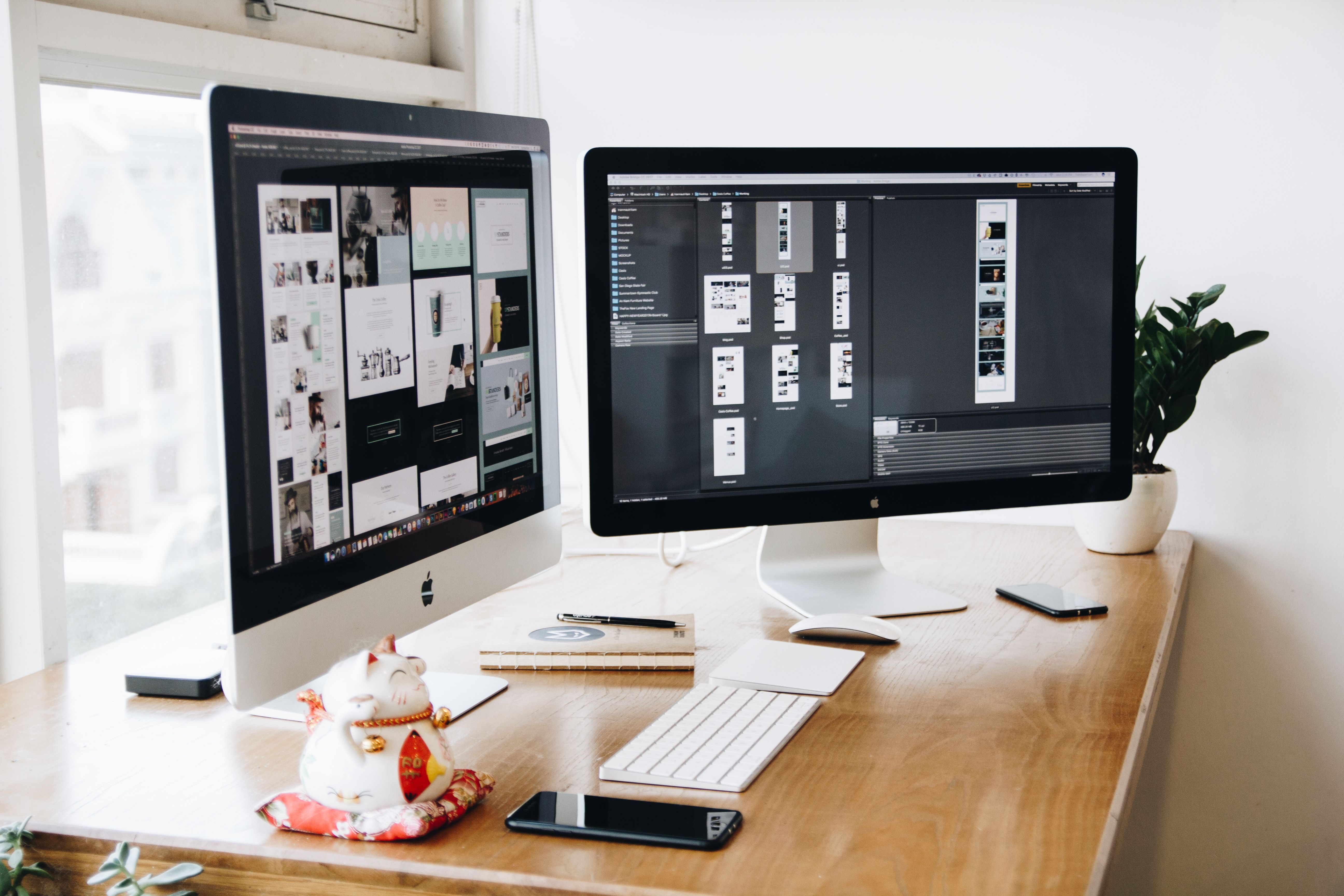
Lightweight website design is about creating pages that load quickly, feel easy to use, and still support the goals of the business. It is not simply a visual style choice. The best lightweight designs reduce unnecessary code, avoid clutter, and help visitors find what they need without delay.
For SEO-friendly website design, speed and usability matter because they affect crawlability, mobile experience, content engagement, and the clarity of your page structure. Whether you manage a WordPress site, an ecommerce store, a business website, or a service page, a lighter design can make your website easier to maintain and more effective for users.
What lightweight website design means
Lightweight design focuses on essential elements only. That includes clean layouts, efficient images, limited scripts, and clear content hierarchy. The aim is not to strip a website bare, but to remove anything that does not support user goals or business outcomes.
This approach is especially useful for landing pages, product pages, and service pages where clarity matters. A page should explain its purpose quickly, guide attention naturally, and keep the user moving towards the next step without distractions.
In practice, lightweight design usually means fewer oversized animations, fewer unnecessary plugins, and a simpler content structure. It can also mean making better choices about typography, spacing, and navigation so the page feels balanced without becoming heavy.
Why speed and design go hand in hand
Website speed is not only a technical issue. Design decisions directly influence how quickly a page loads and how smooth it feels to use. Large images, too many fonts, sliders, background videos, and unneeded third-party tools can all slow a page down.
Google’s own resources on web performance are a useful starting point for understanding how front-end choices affect loading behaviour. When design supports performance, pages tend to be easier to navigate, more stable on mobile, and less frustrating for visitors.
Core Web Vitals are also closely connected to design quality. A lightweight layout can help improve perceived speed, visual stability, and responsiveness. That matters because users often judge a site within seconds, especially on smaller screens or slower connections.
Build with mobile-first and responsive principles
Mobile-first design is a practical way to keep pages lightweight. Instead of designing for a large desktop screen first and then compressing the layout for mobile, start with the smallest screen and add complexity only when needed.
This approach helps you prioritise essential content, reduce clutter, and create responsive web design that works across devices. For example, a service page might begin with a short value statement, a clear call to action, trust signals, and concise supporting content. On desktop, you can expand that structure with additional visual detail or secondary information.
Responsive design should not mean shrinking everything down. It should mean adapting the layout so the content stays readable, tappable, and easy to scan. Large tap targets, simple menus, and flexible spacing all support better mobile usability.
For WordPress website design, this often means choosing a theme that is well coded, lightweight, and mobile-friendly rather than one loaded with unnecessary features. For ecommerce website design, responsive product grids, streamlined filters, and efficient checkout layouts are especially important.
Use structure and content layout to reduce friction
A lightweight page is not just fast; it is also easier to understand. Good website structure helps search engines and users interpret the page quickly. That includes sensible headings, short paragraphs, clear sections, and internal links that connect related pages.
Service businesses can benefit from a simple layout such as: problem, solution, process, proof, and next step. Ecommerce product pages may work better when key details appear near the top, followed by specifications, FAQs, and related products. Business websites often need a clear homepage, focused service pages, and easy paths to contact or enquiry forms.
Navigation should stay simple too. If visitors need to think too hard about where to click, the design has already added friction. Keep menu labels clear, avoid duplicate options, and make sure important pages are easy to reach from the main navigation and footer.
When used well, internal linking helps both SEO and usability. It guides users to relevant content and helps search engines understand page relationships. If you are reviewing your structure, a free website SEO audit can be a useful way to spot structural issues that may affect performance and discoverability.
Design choices that improve page speed without hurting UX
Lightweight design is best achieved through small, deliberate choices. Start with images. Use the right file format, compress files properly, and avoid uploading more image size than the layout actually needs. Decorative images should support the message, not overwhelm it.
Next, review typography and visual elements. Using too many font families or weights can add weight and make the interface feel inconsistent. A restrained visual system often looks more polished and loads faster. The same applies to icons, animation, and embedded media: use them where they add value, not simply to fill space.
Plugins and scripts deserve careful attention, particularly on WordPress sites. A plugin may solve one problem but create several others if it loads extra assets across the whole site. Periodic review is important, especially for ecommerce, where many sites rely on third-party tools for reviews, chat, tracking, and upsells.
It also helps to think about interaction design. Buttons should be obvious, forms should be short, and page sections should have enough spacing to be easy to scan. Lightweight UX does not mean minimal information; it means presenting information in a way that is quick to absorb.
Make pages clearer for SEO, conversions, and accessibility
SEO-friendly design supports visibility through crawlability, mobile usability, speed, content structure, accessibility, and internal linking. Search engines need pages that are easy to interpret, while users need pages that are easy to navigate and understand.
Accessibility is part of that. Clear contrast, readable text sizes, descriptive link labels, and logical heading order make pages more usable for everyone. If your design is visually attractive but difficult to read or navigate, performance in practice will suffer even if the page loads quickly.
Conversion-focused design also benefits from lightweight thinking. A clean landing page with one primary action often performs better than a crowded page with too many competing options. That does not guarantee more enquiries or sales, because results depend on traffic quality, the offer, copy, trust signals, and testing. But clarity usually helps people make decisions more easily.
If you want to compare design choices with broader SEO guidance, the official SEO starter guide from Google is a reliable reference point for understanding how structure and usability support search performance.
Best practices checklist for a lighter, faster website
Use this as a practical review when improving an existing site or planning a new one:
- Keep the page structure simple and focused on one main user goal.
- Use compressed, appropriately sized images.
- Limit fonts, scripts, and unnecessary plugins.
- Design mobile first, then expand for larger screens.
- Make navigation clear and consistent across the site.
- Use headings and short paragraphs to improve readability.
- Place important content and calls to action near the top.
- Review Core Web Vitals and page speed regularly.
- Check that forms, buttons, and links are easy to tap on mobile.
- Test pages with real users, analytics, and speed tools, then refine.
For agencies, consultants, and in-house teams, a lightweight approach can also make redesigns easier to manage. It reduces maintenance overhead and makes it simpler to improve content, expand services, or update products without rebuilding the whole site.
Conclusion
Lightweight website design is one of the most practical ways to improve page speed, usability, and content clarity at the same time. It supports SEO through better structure and accessibility, helps mobile users move around with less friction, and creates a better foundation for conversions.
The key is not to chase minimalism for its own sake. Instead, focus on removing unnecessary weight while keeping the pages clear, useful, and aligned with the visitor’s intent. If you are building or refining a website, Backlink Works shares SEO and website growth resources that can help you think more strategically about design and performance.
Frequently Asked Questions
What makes a website design lightweight?
A lightweight design uses efficient assets, a simple layout, and only the features needed to support the page’s purpose.
Does lightweight design help SEO?
Yes, indirectly. It can support SEO through faster loading, better mobile usability, clearer structure, and improved user experience.
Is lightweight design suitable for ecommerce websites?
Yes. Ecommerce sites can stay lightweight by keeping product pages focused, using compressed images, and avoiding unnecessary scripts.
What is the best way to test website speed?
Use a speed testing tool and review load behaviour, layout stability, and mobile performance before making design changes.
- Sponsored Ad -





