
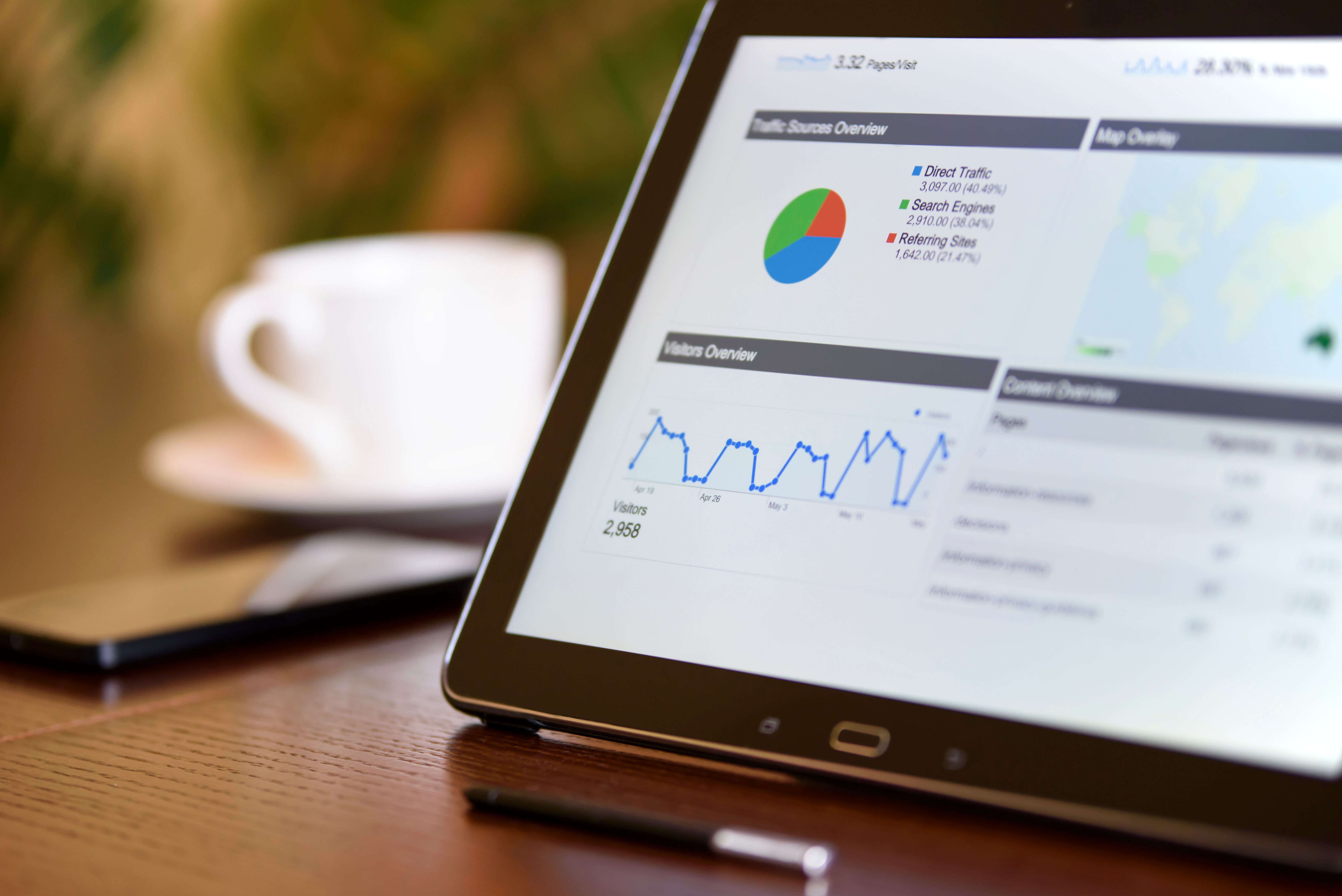
Mobile rank tracking has become an important part of modern SEO because a large share of searches now happen on phones. If your site performs well on desktop but slips on mobile, you may miss issues tied to layout, speed, local intent, or mobile-first indexing. A practical tracking setup helps you spot those differences without guessing.
For website owners, the aim is not to chase every ranking movement. It is to understand how pages appear on mobile search results, which keywords deserve attention, and whether technical or content changes are helping or harming visibility. Used well, rank tracking tools support better decisions alongside Google Search Console, Google Analytics 4, PageSpeed Insights, and other SEO tools.
What mobile rank tracking tools actually do
Mobile rank tracking tools monitor where your pages appear in search results when the search is made on a mobile device. Some tools let you compare mobile and desktop positions, review local rankings, track featured snippets, and watch changes for specific keyword groups over time.
This matters because mobile search behaviour is not always the same as desktop behaviour. Search intent, screen size, location signals, and page experience can all influence what users see. A keyword that performs well on desktop may behave differently on mobile, especially for local SEO, ecommerce categories, or content that depends on quick answers.
Mobile rank tracking is most useful when it is tied to a wider workflow. A ranking dip should lead you to check search intent, page content, indexing status, page speed, schema markup, internal links, and competitor pages rather than treating the tool output as the whole story.
How mobile tracking fits into a broader SEO tool stack
Rank tracking works best when it sits alongside other SEO tools. Google Search Console shows query and page data from search, while Google Analytics 4 helps you understand user engagement after the click. PageSpeed Insights and Core Web Vitals tools can reveal performance issues that may affect mobile usability. Schema markup tools, backlink checker tools, and technical SEO tools provide additional context.
A simple workflow might look like this: use keyword research tools to identify targets, check the page with an SEO audit tool, review mobile speed with a performance tool, and then track rankings for the selected keywords. If the page is content-heavy, content optimisation tools can help improve headings, coverage, and search intent match. If it is a WordPress site, plugins such as Yoast or Rank Math can support on-page control.
For reporting, many teams combine rank data with Looker Studio dashboards so clients or stakeholders can see trends without opening multiple platforms. Backlink Works also offers SEO education resources that may help website owners build a more organised process around audits and visibility tracking.
What to look for before choosing a tool
Not every rank tracker will suit every site. Small blogs may only need a simple, affordable tool, while ecommerce and agency sites often need location tracking, tagging, scheduled reports, and better keyword grouping.
Before choosing, check whether the tool can track mobile and desktop separately, whether it supports your target countries or cities, and how often it updates data. Also consider whether the interface is easy to read, whether exports are available, and whether reporting fits your workflow. Paid tools can be useful, but the right choice depends on budget, data quality, and how much reporting you actually need.
Free SEO tools can be helpful for early-stage sites, but they usually come with limits on keyword volume, update frequency, or historical data. That does not make them poor choices; it simply means they are better for lighter use cases. If you only need to check a small set of important terms, a free option may be enough to start. For a broader setup, you may want an integrated platform that also covers a free website SEO audit.
Practical ways website owners can use rank tracking data
Rank tracking becomes useful when it informs action. If a mobile keyword drops, compare the page with current competitors and look at the search results page itself. Mobile results often surface different features such as local packs, image results, or short answer boxes, which can change click-through behaviour.
For ecommerce sites, it helps to group products and categories separately so you can see whether mobile visibility is stronger for branded searches or generic terms. For local businesses, device-specific ranking checks can reveal how well a location page performs for nearby users. For publishers, tracking article clusters can show whether related posts are supporting one another through internal links and topical coverage.
It is also worth checking whether the page is technically sound. Crawl errors, duplicate metadata, slow mobile loading, poor Core Web Vitals, missing structured data, or weak internal linking can all affect performance. If your search snippets are not clear, tools such as Google’s Rich Results Test can help confirm whether schema markup is valid.
Common mistakes to avoid
One common mistake is checking rankings too often and reacting to every small movement. Search results can fluctuate naturally, so it is better to review trends over time than to make changes after each daily shift.
Another mistake is tracking too many keywords that are not tied to business goals. A focused list of priority terms is usually more useful than a huge spreadsheet of vanity phrases. It is also easy to forget that mobile rankings are only one part of visibility. If the page loads slowly, the content does not answer the query, or the title tag is unclear, the ranking number alone will not fix the problem.
Finally, do not rely on tools alone. SEO requires strategy, useful content, good technical foundations, and consistent maintenance. A tool can show what is happening, but it cannot replace editorial judgement or site improvement.
Best practice checklist for mobile rank tracking
Use this simple checklist to keep your tracking process practical:
- Track a small set of high-value mobile keywords first.
- Separate mobile and desktop tracking where possible.
- Group keywords by page, topic, location, or product type.
- Review rankings alongside Search Console and Analytics data.
- Check speed, content quality, and technical issues before changing strategy.
- Compare your pages with real mobile search results, not just dashboards.
Conclusion
Mobile rank tracking tools are most valuable when they help you make better SEO decisions rather than simply report numbers. They can highlight visibility changes, expose device-specific issues, and support content and technical improvements across blogs, ecommerce stores, WordPress sites, and local businesses.
The best approach is balanced: use free SEO tools where they are enough, upgrade to paid tools only when you need deeper reporting or broader coverage, and always combine rank data with audit, analytics, speed, and content tools. That way, your SEO work stays practical, measurable, and focused on improving search visibility over time.
Frequently Asked Questions
What is the difference between mobile and desktop rank tracking?
Mobile tracking checks search results as they appear on phones, while desktop tracking checks results on larger screens. The two can differ because of layout, intent, local signals, and mobile-specific search features.
Do free SEO tools work for rank tracking?
Yes, but usually with limits. Free tools can be useful for small sites or basic checks, while paid tools may offer more keywords, better reporting, and stronger historical data.
How often should I check mobile rankings?
Weekly or monthly reviews are often enough for most website owners. Daily monitoring can be useful for larger sites or active campaigns, but it is not always necessary.
Should rank tracking replace Google Search Console?
No. Rank tracking and Search Console serve different purposes. Search Console shows search performance data from Google, while rank trackers help you monitor keyword positions and compare trends more easily.
- Sponsored Ad -





