
Choosing the right multilingual SEO tools can make a noticeable difference to how you audit, research, and report on international websites. When a site serves more than one language or market, SEO decisions become more complex because search intent, indexing, hreflang, translations, and local competition all need to be considered.
The good news is that you do not need a single all-in-one platform to manage everything. A practical stack often combines free SEO tools, technical SEO tools, keyword research tools, and reporting tools so you can see where a website stands and what to improve next.
What multilingual SEO tools are designed to do
Multilingual SEO tools help you understand how a website performs across languages, countries, and search engines. They are useful for audits, keyword research, content optimisation, rank tracking, and reporting, especially when the same page may need to serve different audiences.
For example, an ecommerce store selling into the UK, France, and Germany may need separate keyword research for each market, checks for duplicate or poorly translated pages, and reports that show performance by language version. A blog or service site may need easier tracking of indexed pages, titles, meta descriptions, internal links, and Core Web Vitals across regional versions.
Tools are helpful, but they do not replace strategy. A clean site structure, accurate translation, useful content, and sensible technical implementation still matter most.
Core tools for audits and technical SEO
Every multilingual audit should begin with the basics: crawlability, indexing, page speed, structured data, and duplicate content. Free tools from Google are often the best starting point because they show how search systems see the site.
Google Search Console helps you review indexing, sitemaps, page experience signals, and search queries. It is especially useful for spotting language or country pages that are not being indexed as expected.
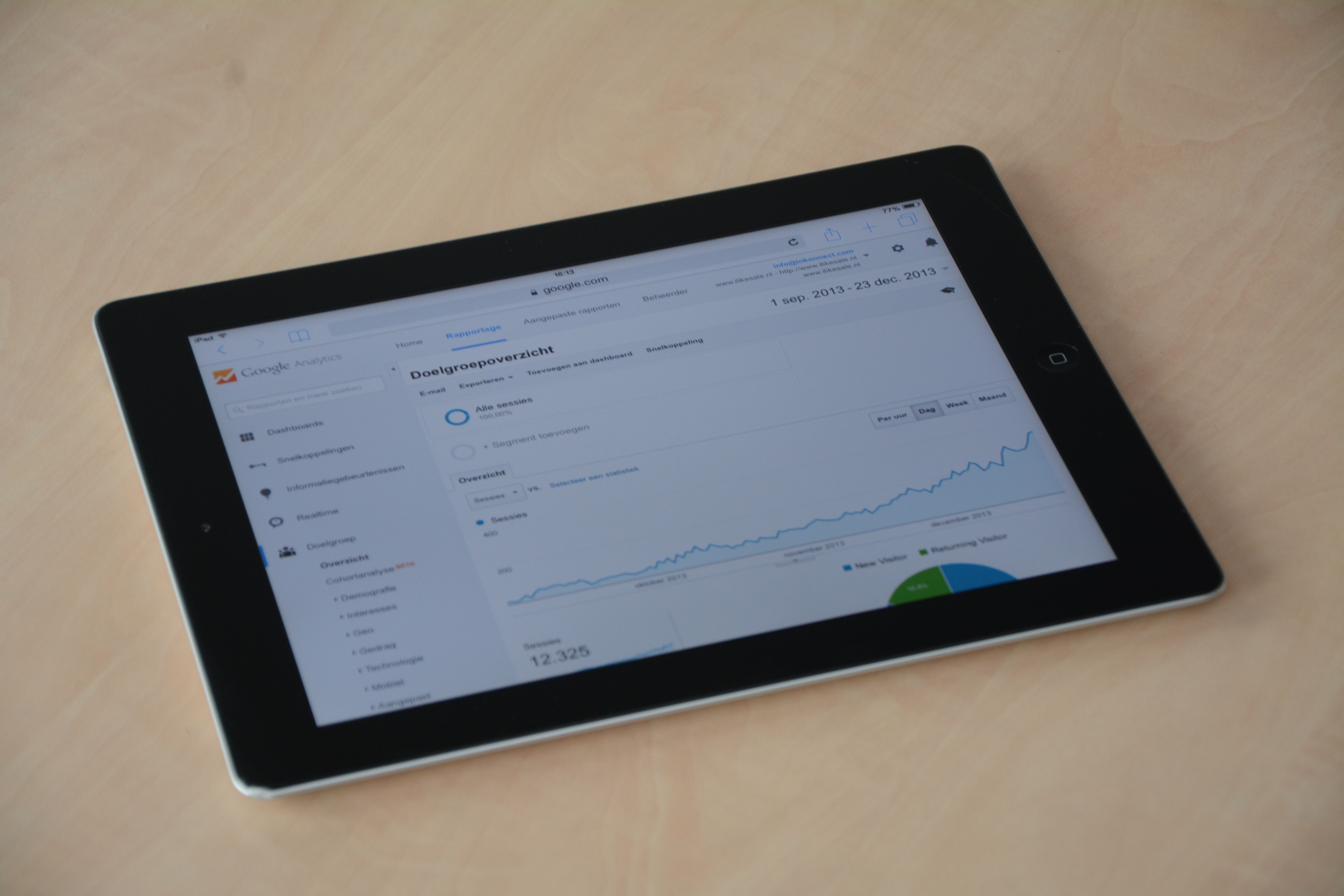
Google Analytics 4 is useful for understanding engagement by page and audience, while PageSpeed Insights and Core Web Vitals checks help you review loading and usability. For multilingual sites, this matters because image-heavy pages, translation plugins, and large scripts can affect performance differently across templates and device types.
Technical SEO tools such as Screaming Frog, XML sitemap generators, robots.txt tools, schema markup generators, and hreflang tag generators are often used to audit site structure. They help check page titles, response codes, canonical tags, internal linking, and language signals. If you use WordPress, SEO plugins such as Yoast, Rank Math, All in One SEO, or The SEO Framework can also support metadata management and schema setup.
Keyword research for different languages and markets
Keyword research is where multilingual SEO often becomes more nuanced. A direct translation is not always the best keyword. Different regions may use different terms, search volumes, and search intent, even for the same product or topic.
Useful keyword research tools include Google Keyword Planner, Google Trends, Ahrefs keyword tools, Semrush, Keyword Tool, Mangools, and SE Ranking free tools. These can help you compare topics, discover related phrases, and understand whether a term is more common in one market than another.
For multilingual projects, it is sensible to compare search behaviour across countries rather than assuming one phrase works everywhere. For instance, an English keyword used in the UK may not reflect how users search in Ireland, Australia, or South Africa. Local terminology, spelling, and commercial intent all matter.
If you are planning content for multiple regions, use keyword tools alongside real search data from Search Console and, where relevant, Bing Webmaster Tools. That combination usually gives a more grounded view than tool estimates alone.
Rank tracking, competitor analysis, and search visibility
Rank tracking tools are useful when you want to see how pages perform across markets over time. In multilingual SEO, they are particularly helpful for monitoring a set of language-specific keywords, branded terms, and local competitors.
Balanced reporting should show whether rankings differ by country, device, and search engine. Some tools also allow tagging by language or folder, which makes it easier to separate a UK English page from a French or Spanish version.
Competitor analysis tools can help you compare content depth, backlink profiles, keyword gaps, and SERP features. This is useful when you want to understand why a competitor is visible in one market and not another. For backlinks specifically, tools like backlink checkers are useful for reviewing referring domains and spotting links that may support or limit authority in a particular region.
If your focus includes link strategy, it can also help to understand the broader backlink-building process before relying on any tool. A good tool may show data, but it cannot replace judgement about link quality, relevance, and risk. Backlink Works publishes educational resources on this topic, which can be useful for teams building a clearer SEO workflow.
Content optimisation, schema, and WordPress workflows
Multilingual content needs more than translation. It should be optimised for clarity, local intent, and search appearance. Content optimisation tools can help with readability, SERP previews, missing headings, and page structure, while schema markup tools support rich result eligibility where relevant.
For WordPress users, SEO plugins often simplify on-page optimisation, sitemap management, canonicals, and structured data. They are not a substitute for editorial quality, but they can reduce manual work and make multilingual site management more consistent.
Schema tools are especially useful for ecommerce, local SEO, and content publishers that rely on product, organisation, FAQ, or article markup. Just make sure the markup matches the visible page content and is implemented correctly in each language version.
For local SEO, business listings, location pages, and consistent NAP details remain essential. Tools can support the process, but accurate business information and well-targeted location content matter more than automation alone.
Reporting, dashboards, and practical selection tips
Reporting tools are where multilingual SEO work becomes easier to explain to clients, managers, or internal teams. Looker Studio is commonly used to bring together Search Console, Analytics, and other data sources into one dashboard. That can make it easier to compare markets, track organic traffic trends, and monitor technical issues over time.
When choosing a reporting setup, consider data freshness, filtering options, language or country breakdowns, and how easily non-specialists can read the dashboard. A useful report should answer practical questions, not just display charts.
Before choosing any tool, check whether it supports the markets you care about, whether it handles multiple languages cleanly, and whether its data fits your workflow. Free SEO tools are often enough for smaller sites or early-stage projects, but larger sites may need more robust crawling, ranking, and reporting features. Paid tools should be chosen for need and data quality, not because they promise quick results.
Simple best practices can keep your tool stack manageable:
- Use Search Console and GA4 as your baseline data sources.
- Audit crawlability, indexing, hreflang, canonicals, and page speed regularly.
- Research keywords by market, not by direct translation alone.
- Track rankings and competitors separately for each priority country.
- Review reports monthly and turn findings into page updates, not just charts.
Conclusion
The best multilingual SEO tools are the ones that help you make better decisions across audits, keywords, reporting, and technical SEO. In most cases, the strongest setup combines free Google tools, a reliable crawler, a keyword research platform, and a reporting dashboard that makes the data easy to act on.
If you are building or refining your SEO process, start with the essentials, keep the stack focused, and choose tools that match your website size, team skills, and target markets. For further practical guidance on SEO foundations, you can also explore the free website SEO audit resources from Backlink Works.
Frequently Asked Questions
Which free SEO tools are most useful for multilingual websites?
Google Search Console, Google Analytics 4, PageSpeed Insights, and Google Trends are strong starting points for indexing, performance, traffic, and search behaviour.
Do I need paid tools for multilingual SEO?
Not always. Free tools can cover the basics, but paid tools may help with larger sites, deeper crawls, broader keyword data, and more flexible reporting.
How do I check if hreflang is working properly?
Use a crawler, inspect page source, and compare signals such as canonical tags, language versions, and indexing in Search Console. Hreflang generators can help, but they do not replace testing.
What should I include in a multilingual SEO report?
Include indexed pages, organic clicks, rankings by market, technical issues, page speed, and key content opportunities. Keep the report focused on decisions, not just metrics.
- Sponsored Ad -





