
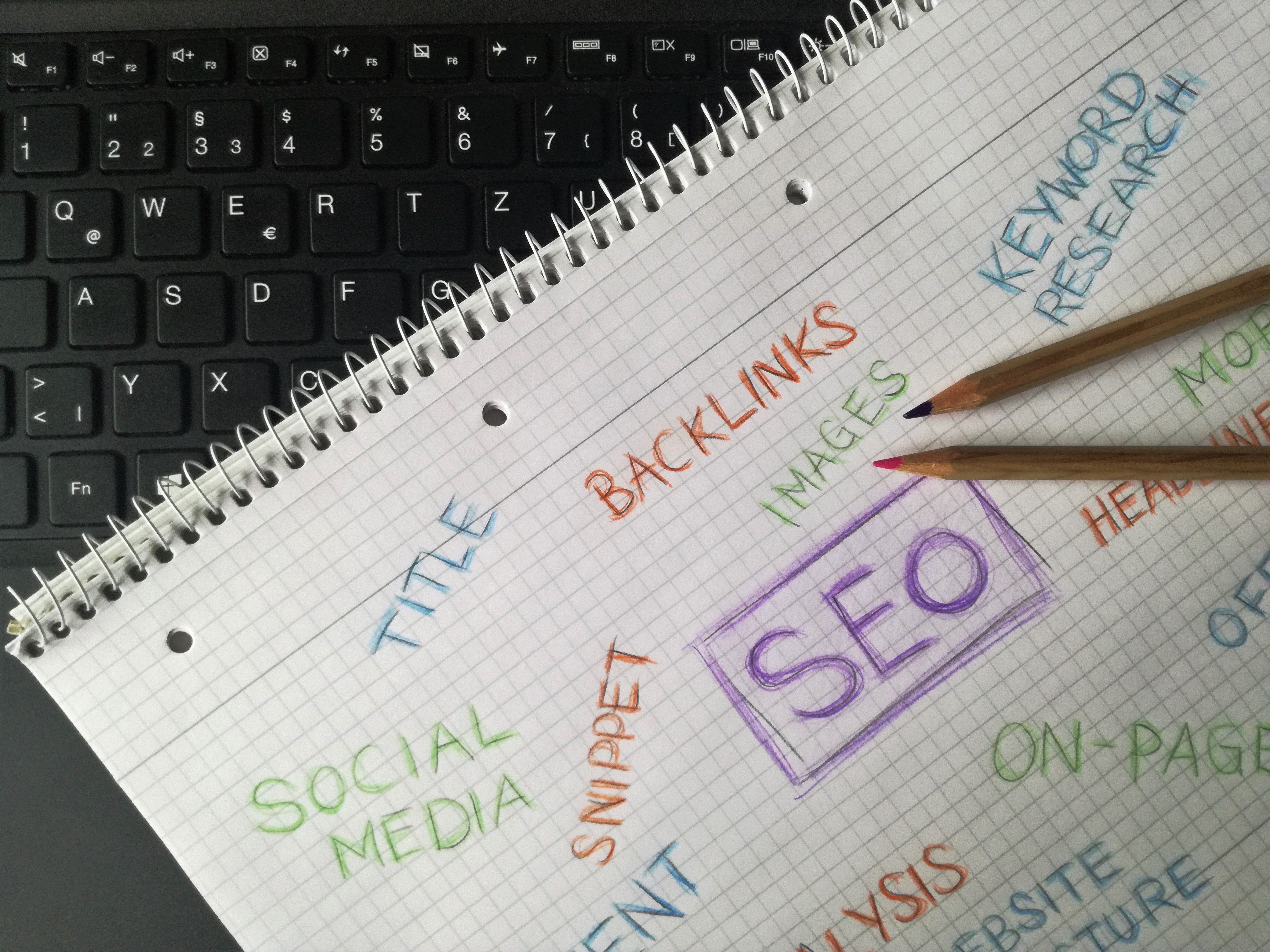
Practical off-page SEO is not about chasing as many links as possible. It is about earning or placing backlinks that make sense, look natural, and support a website’s authority over time. With ChatGPT, website owners and marketers can plan outreach, create better content ideas, and review backlink opportunities more efficiently without drifting into risky SEO tactics.
If you are building Google-safe backlinks, the goal is simple: focus on relevance, quality, and usefulness. ChatGPT can help you work faster, but it should support human judgement rather than replace it. Used well, it can improve your link building workflow, reduce mistakes, and make backlink strategy more organised. For a broader overview of ethical link building, the backlink building guide is a useful starting point.
What Google-safe backlinks actually mean
Google-safe backlinks are links earned or placed in ways that follow natural editorial standards and avoid manipulative patterns. That usually means the link is relevant to the page, comes from a real website, and fits the surrounding content. It should not exist purely to push rankings in an artificial way.
Safe backlinks are not defined by a single metric alone. Domain authority, traffic, topical relevance, link placement, and the context around the anchor text all matter. A link from a modest but highly relevant site can be more useful than a random link from a strong domain that has nothing to do with your niche.
How ChatGPT helps with off-page SEO
ChatGPT is useful because it can speed up planning, writing, and analysis tasks that often slow down outreach work. It can help you brainstorm link-worthy content, build outreach angles, and create structured notes for evaluating backlink opportunities. Used properly, it supports a safer and more consistent off-page SEO process.
For example, if you run a local service website, ChatGPT can help you draft ideas for resource pages, partner mentions, or expert commentary that might attract natural links. It can also help you rewrite awkward outreach emails into clearer, more professional messages without sounding robotic.
- Generate content ideas that are more likely to earn links naturally.
- Draft outreach emails that sound relevant and polite.
- Summarise a prospect’s website before pitching a collaboration.
- Suggest anchor text variations that stay natural.
- Build a simple checklist for reviewing backlink quality.
If you want to understand how links are typically created in a safer workflow, the backlink building process explains the fundamentals well.
Choosing quality backlinks over quantity
One of the biggest mistakes in off-page SEO is measuring success only by the number of backlinks. Google is more likely to value links that make sense in context and come from pages that are genuinely useful. ChatGPT can help you create a quality-first process by comparing prospects against practical criteria.
When reviewing a backlink opportunity, look at the page topic, the surrounding content, the likely audience, the placement of the link, and whether the source page appears trustworthy. If the site is irrelevant, stuffed with outbound links, or clearly designed only for SEO manipulation, it is usually best to avoid it.
ChatGPT can help you create a simple review prompt such as: “Assess this page for topical relevance, audience fit, link placement quality, and possible spam signals.” That makes prospect review faster while still leaving the final decision to you.
Using ChatGPT for anchor text and outreach
Anchor text is one of the most sensitive parts of backlink building. Over-optimised anchor text can look unnatural, especially if every link uses the same keyword. ChatGPT can help you generate a balanced mix of branded, topical, and natural anchors so your backlink profile looks more realistic.
For outreach, ChatGPT can help create short, specific messages that explain why your content or business is relevant to the site owner’s audience. That is much better than mass-produced templates. In practice, a good outreach message should mention the page you are referencing, explain the connection, and make the request feel useful rather than demanding.
For wider backlink education and support, Backlink Works can be a helpful learning resource when you want to explore link building concepts in more detail.
Backlink indexing and discovery
A backlink is only useful if search engines can find and understand it. That does not mean every link must be indexed immediately, but it does mean your backlink strategy should support discoverability. ChatGPT can help you plan follow-up steps around indexing without encouraging spammy submissions or rushed tactics.
In practical terms, indexing support may involve ensuring the linking page is crawlable, publicly accessible, and linked from a part of the site that search engines can reach. You can also use ChatGPT to create a simple monitoring process for checking whether links are visible in key tools and whether the referring pages are still live.
If backlink discovery is a regular concern, the backlink indexing page may help you understand the concept more clearly.
Practical checklist for Google-safe backlink building
Use this checklist when planning or reviewing backlink opportunities with ChatGPT.
- Confirm the linking site is relevant to your topic or industry.
- Check that the page has a real audience and sensible editorial context.
- Use anchor text that reads naturally and varies across links.
- Avoid sites that exist only to sell links or publish low-value pages.
- Prefer links placed within useful content rather than cluttered footers or sidebars.
- Review whether the source page appears trustworthy and well maintained.
- Keep the backlink profile balanced with branded, topical, and plain-language anchors.
- Monitor new links periodically so broken or removed backlinks do not go unnoticed.
Common mistakes to avoid
Even with ChatGPT helping you plan, off-page SEO can go wrong if the process is too aggressive or too automated. Many backlink problems come from chasing shortcuts rather than building a sensible strategy.
- Using the same keyword-rich anchor text repeatedly.
- Choosing irrelevant websites simply because they are easy to get links from.
- Buying links without checking quality, relevance, and placement.
- Ignoring whether the link is likely to be seen and crawled.
- Publishing generic outreach that offers no clear value to the site owner.
- Relying on backlinks alone instead of improving the page itself.
For teams that want a safer framework, the Google-safe backlinks resource is relevant because it focuses on avoiding risky link patterns and keeping the process more natural.
Best practices for sustainable link growth
Good off-page SEO is usually the result of steady, sensible work rather than dramatic link spikes. ChatGPT can support that by helping you create repeatable systems for prospecting, outreach, and link evaluation. The aim is not to make backlinks look artificial, but to make your workflow more efficient.
Some useful best practices include creating link-worthy content, building genuine relationships with relevant sites, using varied anchors, and reviewing your backlink profile regularly. It also helps to treat nofollow links as part of a healthy profile rather than dismissing them entirely. While they may not pass authority in the same way as dofollow links, they can still support visibility, referral traffic, and natural link patterns.
Where you need a quick educational reference, Backlink Works can also be used as a practical starting point for understanding safe, structured backlink building before you scale any outreach activity.
Conclusion
Practical off-page SEO with ChatGPT works best when you use it to support judgement, not replace it. The most effective backlink strategies still depend on relevance, quality, natural anchor text, and sensible outreach. ChatGPT can make planning and review easier, but Google-safe backlinks come from careful decisions and consistent standards.
If you focus on useful content, trustworthy prospects, and a natural approach to link building, you give your website a better chance to grow visibility in a stable way. That is the real value of combining AI assistance with white-hat off-page SEO.
Frequently Asked Questions
Can ChatGPT build backlinks for me automatically?
ChatGPT can help you plan backlink outreach, draft emails, and review opportunities, but it should not be used to mass-generate spammy links. Backlinks still need human judgement, relevance checks, and proper evaluation to stay safe and useful for SEO.
What makes a backlink Google-safe?
A Google-safe backlink is usually relevant, contextually placed, and earned or placed in a way that does not look manipulative. The linking page should make sense for your topic, and the anchor text should feel natural rather than overly optimised.
Do nofollow links still matter for off-page SEO?
Yes. Nofollow links may not pass authority in the same way as dofollow links, but they can still bring referral traffic, brand visibility, and a more natural-looking backlink profile. They are often a normal part of healthy link growth.
How can I check whether a backlink is valuable?
Look at topical relevance, the quality of the source page, the context around the link, and whether the site appears trustworthy. A useful backlink is not just about authority metrics; it should also fit the audience and support your content in a meaningful way.
- Sponsored Ad -





