
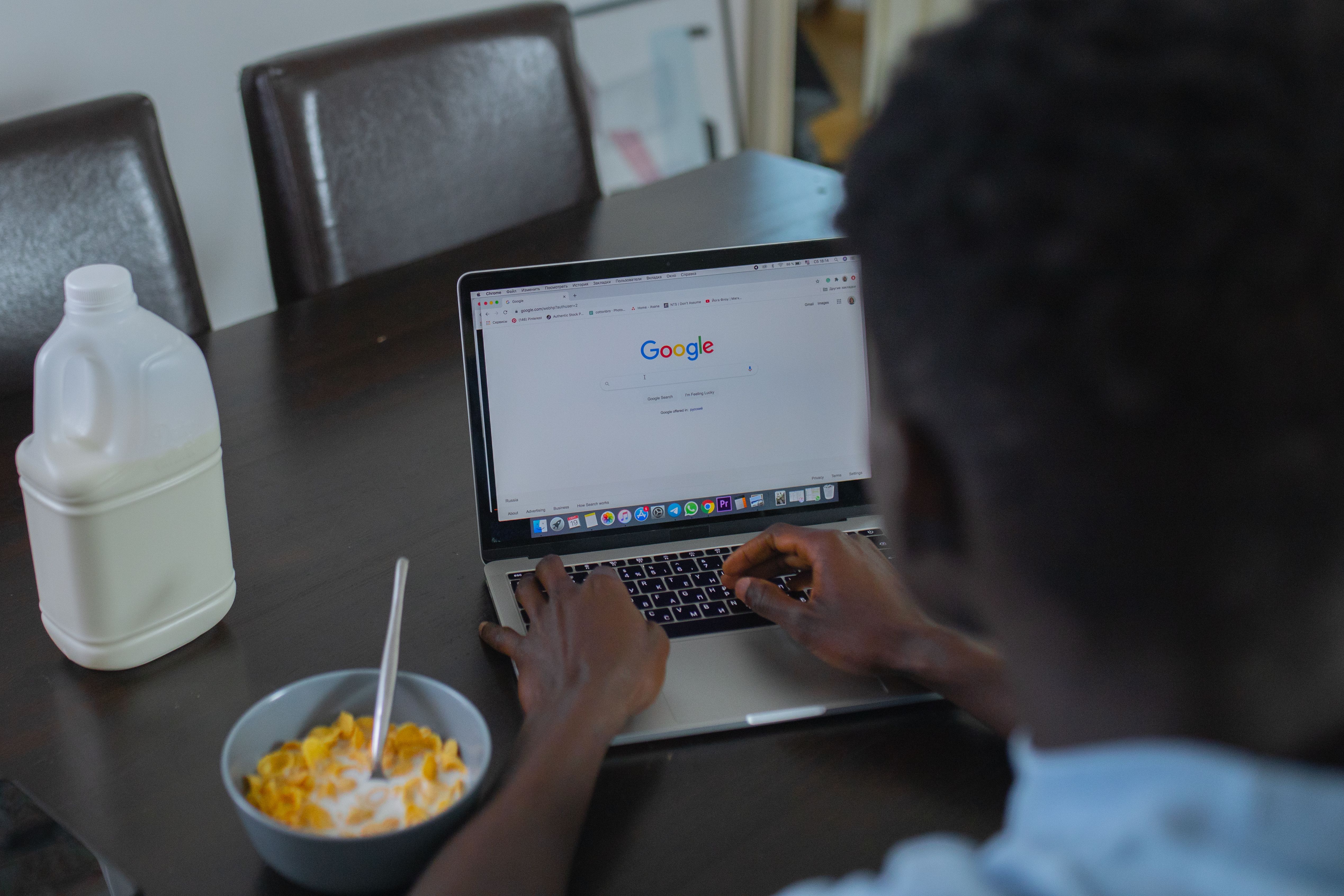
After the Helpful Content Update, on-page SEO is less about ticking boxes and more about proving that a page genuinely helps the person reading it. Website owners and marketers now need to focus on clarity, usefulness, structure, and intent rather than trying to please search engines with repeated keywords or thin pages.
If your content is written for humans first, answers the search query properly, and is easy to navigate, you are already moving in the right direction. This article explains practical on-page SEO best practices that support search visibility, organic traffic growth, and better user experience without relying on outdated tactics.
What Changed After the Helpful Content Update
The Helpful Content Update reinforced a simple idea: pages should be created for people, not just for rankings. That means Google is more likely to reward content that shows real understanding, satisfies search intent, and avoids unnecessary filler.
On-page SEO still matters, but its role has shifted. Good titles, headings, internal links, page speed, and structured content all help search engines understand a page. However, those elements work best when the content itself is genuinely useful, original, and written with a clear purpose.
In practice, this means websites should review each page and ask whether it solves a specific problem, answers a question fully, or helps the reader make a decision. If not, the page may need improving, consolidating, or removing.
Focus on Search Intent First
Search intent is the foundation of modern on-page SEO. Before you write or optimise a page, identify what the searcher actually wants. Are they looking for information, a comparison, a product, a how-to guide, or a local service?
Once you understand the intent, shape the page around it. For example, a beginner searching for “on-page SEO best practices” usually wants a clear explanation, practical steps, and simple examples. A business owner searching for the same topic may also want guidance on audits, content improvements, and how the page fits into a wider SEO strategy.
Backlink Works offers an free website SEO audit that can help identify page-level issues when you are reviewing content, structure, and technical performance together.
Improve Content Quality and Relevance
Helpful content is specific, accurate, and complete enough to stand on its own. Avoid vague statements that repeat what every other article says. Instead, explain what should be done, why it matters, and how to apply it.
Good content SEO after the update usually includes:
- Clear answers near the top of the page.
- Simple language that matches the reader’s level.
- Useful examples where they add clarity.
- Up-to-date terminology and accurate explanations.
- Original insight drawn from experience, testing, or careful analysis.
If you use AI to support content creation, review everything carefully. AI can help with drafting and structure, but it should not replace subject knowledge, editing, and fact-checking. Pages that feel generic or assembled without editorial care are less likely to perform well over time.
Strengthen headings and page structure
Use headings to organise the page logically, not to force keywords into every section. A strong structure helps readers scan the page and helps search engines understand the topic hierarchy. Keep headings short, descriptive, and relevant to the section below them.
Each section should add something meaningful. If a heading does not help the reader move forward, remove it. This is especially important on blogs, service pages, and ecommerce category pages where thin or repetitive sections can weaken quality signals.
Optimise the Core On-Page Elements
Even after the Helpful Content Update, classic on-page elements still matter. They do not replace good content, but they help the page communicate clearly to users and search engines.
Pay particular attention to the title tag, meta description, URL, and first paragraph. The title should be accurate and appealing, the meta description should summarise the page naturally, and the URL should be short and readable. Your opening paragraph should confirm that the page addresses the topic immediately.
Internal links are also important. They help users find related content, support crawlability, and show how pages connect across your site. Link naturally to useful related resources rather than stuffing links into every paragraph. For broader SEO learning, Backlink Works can also be used as a practical SEO learning resource.
If your on-page work needs a technical check, Google’s own helpful content guidance is a useful reference point for understanding what Google expects from people-first pages.
Support Pages with Technical SEO Basics
Technical SEO and on-page SEO work together. A well-written page still struggles if it is hard to crawl, slow to load, or awkward on mobile devices. After the Helpful Content Update, technical quality remains an important part of user experience.
Make sure important pages are indexable, canonicalised correctly, and not blocked by robots.txt or accidental noindex tags. Check that the site is mobile-friendly, loads quickly, and remains stable as it loads. Core Web Vitals are not the only thing that matters, but they can influence how usable a page feels in real conditions.
For speed and page experience checks, PageSpeed Insights can help you spot issues such as large images, layout shifts, and slow server response. Use those findings as part of a wider optimisation process, not as a standalone ranking trick.
Schema markup can also support certain pages by making content easier to interpret, especially for FAQs, products, articles, and local businesses. Use it where it genuinely fits the page type and content, and test it carefully before publishing.
Checklist for On-Page SEO After the Update
Use this checklist when reviewing existing pages or creating new ones:
- Does the page answer one clear search intent?
- Is the content original, useful, and complete enough for the topic?
- Are the title tag and headings accurate and readable?
- Does the introduction tell the reader they are in the right place?
- Are internal links relevant and naturally placed?
- Is the page easy to read on mobile devices?
- Are images compressed and used with meaningful alt text where needed?
- Is the page indexable and free from technical blocks?
- Does the content avoid repetition, filler, and keyword stuffing?
- Would a real person find the page helpful without needing to search again immediately?
Common Mistakes to Avoid
Many websites lose effectiveness because they optimise for search engines in ways that make pages less useful for people. The Helpful Content Update has made these mistakes more obvious.
- Writing for keywords instead of answering the reader’s question.
- Creating many near-duplicate pages that target similar searches.
- Using headings only to repeat the same phrase without adding value.
- Publishing thin pages that do not explain anything in enough depth.
- Ignoring mobile usability or page speed problems.
- Overusing AI-generated text without proper editing or insight.
- Adding internal links that are not genuinely useful.
For site owners and agencies, a regular review process matters. If you are unsure where to start, an on-page and technical check can reveal patterns across content, indexing, and site structure before you make bigger changes. Backlink Works can support that process as an SEO audit resource.
Conclusion
On-page SEO after the Helpful Content Update is about creating pages that deserve to rank because they genuinely help users. That means matching search intent, writing useful content, improving structure, keeping pages technically sound, and removing anything that makes the experience weaker.
There is no single on-page tactic that guarantees rankings, but there is a consistent approach that improves your chances: build pages for people, make them easy to understand, and support them with solid SEO foundations. That is the most reliable way to strengthen visibility and organic traffic over time.
Frequently Asked Questions
What is on-page SEO after the Helpful Content Update?
It is the process of optimising page content and structure so that it is useful, clear, and aligned with search intent. After the update, the emphasis is on people-first content that genuinely helps users rather than content created mainly to manipulate rankings.
Does keyword optimisation still matter?
Yes, but it should be used naturally. Keywords help search engines understand the topic, yet they should not dominate the page. Focus on related terms, clear headings, and language that matches how real people search and read.
How do I know if a page is helpful enough?
Ask whether the page answers the query fully, gives practical guidance, and feels written for a real person. If the page repeats common advice, lacks detail, or leaves the reader needing another search, it probably needs improvement.
Should I update old content or create new pages?
Often, updating existing content is the better first step because it can improve relevance and quality without starting from scratch. Review outdated sections, remove duplication, add missing detail, and make sure the page still matches current search intent.
- Sponsored Ad -





