
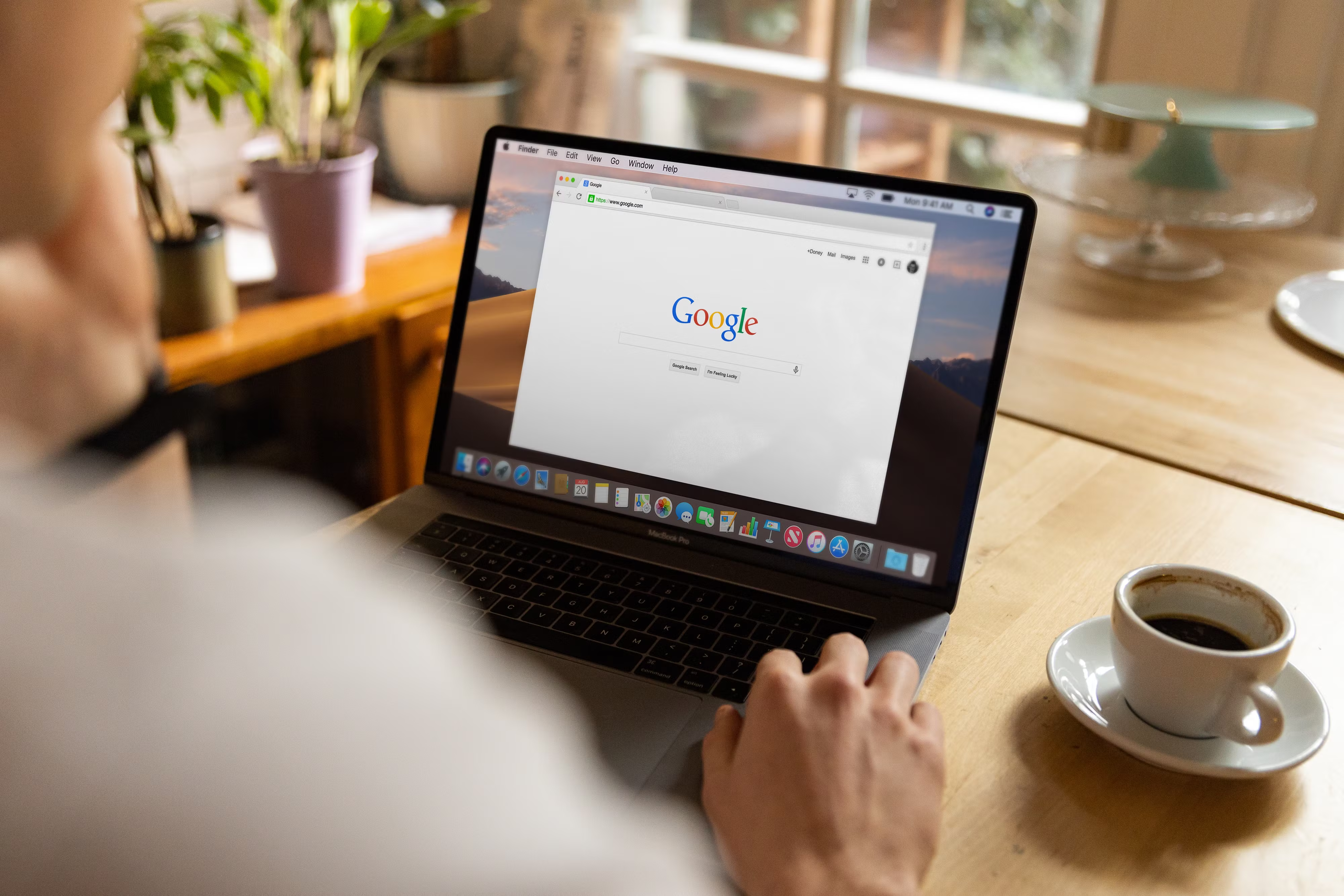
On-page SEO is the practice of improving individual pages so search engines and people can understand them more easily. When done well, it supports better search visibility, clearer relevance, and a stronger user experience.
For website owners, bloggers, digital marketers, and SEO teams, on-page SEO is one of the most practical parts of optimisation because it affects the page itself: the content, headings, internal links, metadata, structure, and technical signals. It works best as part of a wider strategy rather than a standalone tactic.
What On-Page SEO Covers
On-page SEO includes everything on a page that helps search engines interpret its topic and value. That usually means the page title, meta description, headings, body content, image details, internal links, URL structure, and how well the page answers the search intent behind a query.
It is closely related to content SEO and technical SEO. A page can be well written, but if it is hard to crawl, slow to load, or poorly structured, search visibility may still be limited. The goal is to make the page easy to discover, easy to understand, and useful to readers.
Google Search Central provides helpful guidance on how search engines crawl, index, and interpret pages, which can be useful if you want to understand the basics more deeply: Google’s SEO Starter Guide.
Search Intent and Keyword Targeting
The first step in effective on-page SEO is choosing the right keyword or topic and matching it to search intent. Search intent is the reason behind a search. A person may want information, a comparison, a product page, or a local service page.
Before writing, ask what the page should satisfy. For example, a blog post about “how to optimise product pages” should educate the reader, while an ecommerce category page should help users browse and compare products quickly. The wrong page type for the query can weaken relevance, even if the content is well written.
Keyword research is useful here, but it should guide the page rather than control it. Use the main phrase naturally in the title, introduction, headings, and key sections, then support it with related terms and plain language that reflects how people actually search.
Content Structure and Readability
Strong on-page SEO depends on clear structure. Search engines and users both benefit when a page is organised logically with short paragraphs, descriptive headings, and a clear flow from one idea to the next.
Start with a direct introduction that explains what the page covers. Then break the content into sections that answer the main questions a reader is likely to have. Use
subheadings only when a section needs further separation, such as when comparing tactics or listing related steps.
Readability matters just as much as depth. Use plain English where possible, keep sentences varied, and avoid unnecessary jargon. If the content is for beginners, explain terms briefly. If it is for professionals, add practical detail without becoming overly technical.
Best practices for page structure
- Use one clear main topic per page.
- Place the primary keyword naturally in the title and opening paragraph.
- Use headings to group related ideas, not to repeat the same phrase.
- Keep paragraphs short and easy to scan.
- Answer the most important questions early in the page.
Metadata, URLs and Internal Links
Title tags and meta descriptions do not directly make a page useful, but they strongly influence how the page appears in search results. A clear title helps search engines and users understand the page topic. A good meta description can improve click-through by setting the right expectation.
Keep URLs short, descriptive, and stable. A clean URL structure supports usability and makes it easier to organise content across a website. Internal links are also important because they help users discover related pages and help search engines understand site structure and page relationships.
For example, if you are improving a site’s technical foundations, a free website SEO audit can help identify issues such as thin content, weak metadata, or internal linking gaps. Backlink Works can also be a useful SEO learning resource when you want practical support around broader optimisation.
Use internal links naturally. Link to related guides, service pages, product categories, or supporting articles where they genuinely help the reader. Avoid forcing links into every paragraph, and do not use the same anchor text repeatedly across the site.
Technical Signals That Support Visibility
On-page SEO is not only about content. Technical signals can affect whether a page is properly crawled, indexed, and displayed. Page speed, mobile usability, Core Web Vitals, and crawlability all play a role in how accessible the page is to users and search engines.
Check whether the page loads quickly, displays correctly on mobile devices, and avoids layout shifts or intrusive elements. For WordPress sites, useful SEO plugins can simplify tasks such as managing titles, metadata, schema, and noindex settings, but they still need careful configuration. Tools are helpers, not replacements for strategy.
Structured data can also improve how a page is understood. When relevant, schema markup may help search engines interpret details such as articles, products, FAQs, reviews, or local business information. If you are testing rich results, Google’s Rich Results Test is a practical way to check whether your markup is valid.
Checklist for On-Page SEO
Use this checklist when reviewing a page for search visibility:
- Confirm the page targets one clear topic and search intent.
- Write a unique title tag and meta description.
- Use one logical H1 or page title and supportive H2 sections.
- Place the main keyword naturally in key areas.
- Improve readability with short paragraphs and clear wording.
- Add internal links to useful related content.
- Optimise images with descriptive alt text where needed.
- Check page speed and mobile usability.
- Use structured data only when it fits the page type.
- Review the page in Google Search Console for indexing or performance issues.
Common Mistakes to Avoid
Many pages underperform because of simple on-page errors rather than a lack of content. One common mistake is writing for search engines instead of users, which often leads to repetitive, unnatural copy. Another is targeting too many topics on one page, which can blur relevance.
Other common issues include weak internal linking, duplicate titles, missing metadata, thin content, and ignoring mobile users. Some sites also publish pages without checking whether they are indexable, which means the content may not appear in search at all.
Avoid overusing AI-generated text without editing. AI can help with planning or drafting, but the final page should be accurate, original, and genuinely helpful. For businesses and agencies, a regular SEO audit can help spot these issues before they affect long-term search visibility.
Conclusion
On-page SEO is about making each page more relevant, more useful, and easier to understand. The strongest results usually come from combining clear search intent, well-structured content, sensible internal linking, strong metadata, and good technical foundations.
If you focus on the page experience first and use SEO as a guide rather than a shortcut, you give your content a better chance to earn sustainable search visibility. That approach is more reliable than chasing quick fixes, and it works for blogs, local businesses, ecommerce sites, agencies, and consultants alike.
Frequently Asked Questions
What is the most important part of on-page SEO?
The most important part is matching the page to search intent. If the content does not answer what the searcher wants, other optimisations have limited value. Clear structure, relevant headings, and useful information all support that core goal.
How often should I update on-page SEO?
Review important pages regularly, especially if rankings change, search intent shifts, or your business offers new information. Updates can be small, such as improving headings or metadata, or larger if the content no longer matches user needs.
Do internal links really help search visibility?
Yes, internal links help search engines understand site structure and can guide visitors to related content. They also help distribute attention across important pages. The key is to link naturally to genuinely useful pages rather than adding links for their own sake.
Can SEO tools improve on-page optimisation?
SEO tools can help you spot issues, compare pages, and track performance, but they do not create quality content for you. They are most useful when combined with good judgment, editing, and a clear understanding of your audience and goals.
- Sponsored Ad -





