
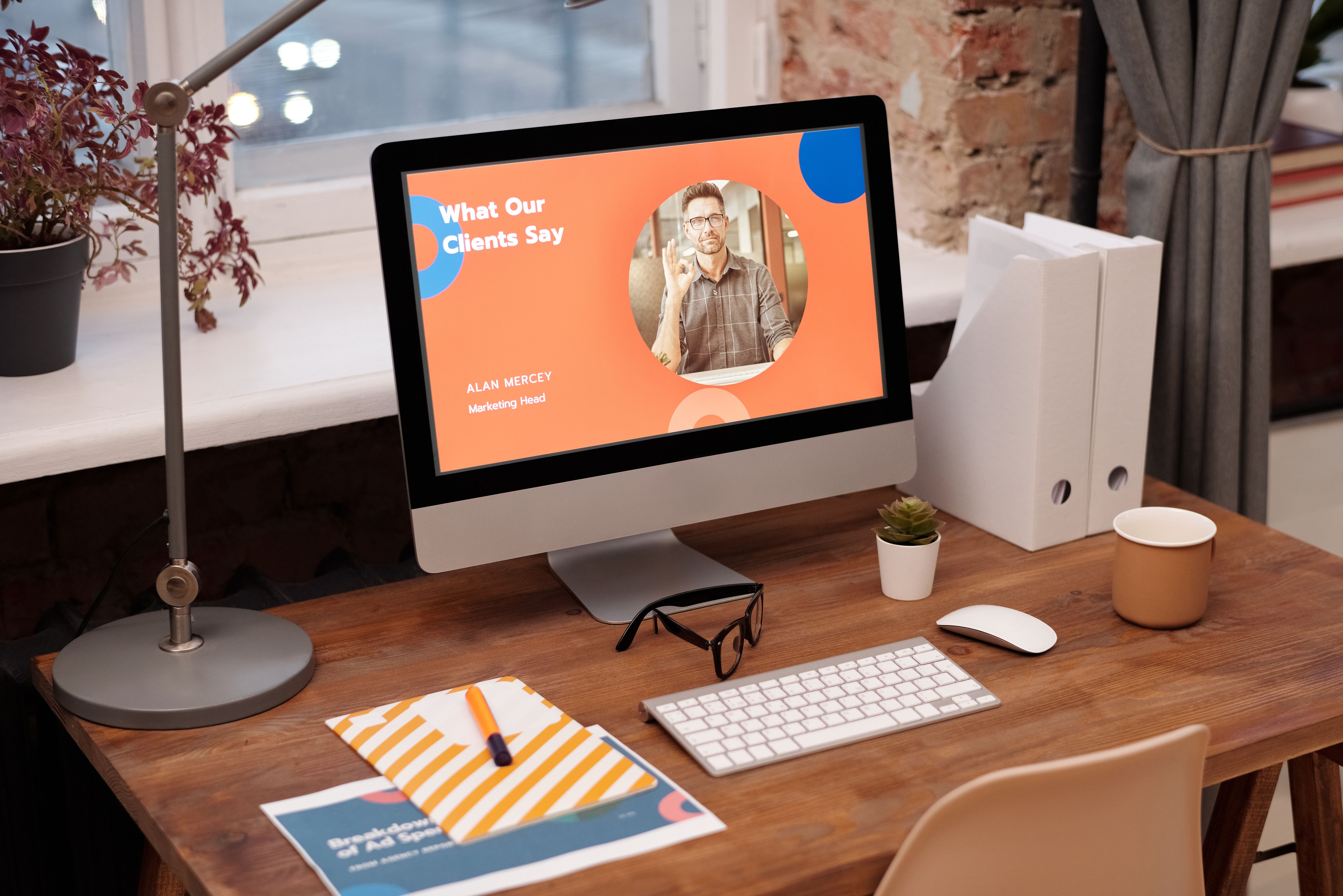
Popular posts often win attention because they feel easy to scan, simple to understand, and quick to use. That is not an accident. The layout of a blog post has a direct impact on readability, engagement, mobile experience, and how well search engines can interpret the page.
For website owners, designers, and marketers, SEO-friendly post design is not just about visual polish. It is about creating a structure that supports crawlability, accessibility, page speed, internal linking, and clear user journeys. In practice, that means designing content so people can read it comfortably and search engines can understand it efficiently.
What Makes a Blog Post Design SEO-Friendly?
An SEO-friendly post design helps users find the information they need without effort. It uses clear headings, logical content order, readable typography, and a layout that works well on both desktop and mobile devices.
Search engines do not rank pages because they look attractive, but design still matters because it shapes how content is presented, how fast it loads, and how easy it is to use. A well-structured article can support stronger engagement and reduce frustration, while a cluttered page may make users leave before they reach the important points.
Good post design also supports content hierarchy. Your introduction should set the topic clearly, main sections should break the content into manageable parts, and internal links should guide readers to useful related pages without distracting them from the article.
Layout Principles That Improve UX and Search Visibility
One of the most useful layout principles is visual hierarchy. Important elements such as the headline, opening summary, subheadings, and key takeaways should stand out naturally. This helps readers scan the page quickly, which is especially important for blog posts, service pages, and ecommerce content.
Whitespace is another important factor. When paragraphs are short and sections are spaced well, the page feels easier to read. That improves user experience and can also make long-form content more approachable on mobile screens.
Use subheadings to divide content into meaningful sections rather than inserting them only for style. This makes the article easier for users to navigate and helps search engines interpret the page structure. For websites with a lot of content, clear layout patterns can also improve consistency across blog posts, product pages, and landing pages.
If you are reviewing your own blog structure, a free website SEO audit can help identify content and technical issues that affect performance.
Mobile-First Design for Popular Posts
Many readers will view popular posts on phones, so mobile-first design should guide layout decisions. That means using legible font sizes, touch-friendly spacing, and content widths that do not require horizontal scrolling.
Mobile layouts work best when the main message appears quickly. Avoid pushing the core content too far down the page with oversized banners, unnecessary widgets, or heavy pop-ups. Those can interrupt the reading experience and may make the page feel less trustworthy.
Buttons, related links, and calls to action should be easy to tap. Navigation should also remain simple, especially on business websites and service pages where users may want to move from a blog post to a contact form, product page, or booking page.
Responsive web design should not mean shrinking a desktop layout to fit a smaller screen. It should mean adapting the content so it remains useful and readable on each device.
How Website Speed and Core Web Vitals Affect the Layout
Layout choices can influence website performance more than many people realise. Large images, too many scripts, and overly complex design elements can slow a page down. That matters because speed affects user satisfaction and can shape how long people stay on the page.
Core Web Vitals are a useful guide for judging loading behaviour, visual stability, and interactivity. A page that shifts around while loading, or responds slowly to taps and clicks, creates a poor experience. Good design reduces that risk by using stable layouts, lightweight media, and sensible spacing for content blocks.
For WordPress website design, this often means choosing a clean theme, limiting unnecessary plugins, compressing images, and testing the page after edits. For ecommerce website design, it may involve balancing product imagery with performance so pages remain clear without becoming heavy.
Google’s PageSpeed Insights tool is helpful for checking page performance and spotting common layout-related issues.
Designing Popular Posts for Conversions Without Hurting UX
Popular posts often attract broad traffic, but not every visitor is ready to act immediately. A conversion-focused layout should guide interested users towards a sensible next step without feeling pushy.
That next step might be a newsletter sign-up, a service page, a product category, or a related guide. The key is to match the offer to the user’s intent. Someone reading a top-of-funnel educational post may want more guidance, while a reader on a service page may prefer a clear contact option or proof of expertise.
Trust signals also matter. Clear authorship, up-to-date content, straightforward navigation, and useful internal links can help visitors feel more confident. For business websites and consultants, this can support lead generation. For ecommerce brands, it can help move users from informational content to product discovery more naturally.
A page should never hide important information or use misleading design to force action. Good design supports choice, not pressure.
Practical Best Practices for Blog and Content Layout
Here is a simple checklist for SEO-friendly popular post design:
- Use a clear headline and an opening paragraph that explains the topic quickly.
- Break the article into sections with descriptive headings.
- Keep paragraphs short and easy to scan.
- Use responsive typography and spacing for mobile users.
- Place internal links where they genuinely help the reader.
- Optimise images and media for speed.
- Make navigation simple and predictable.
- Check that buttons, forms, and menus work well on touch screens.
- Test readability, accessibility, and layout stability across devices.
It can also help to review how your design performs against real search and user behaviour. Tools such as analytics, heatmaps, and session recordings can show where readers lose interest or struggle with navigation. That insight is useful for refining article layout, service pages, and landing pages over time.
Conclusion
Popular posts perform better when they are designed for people first and supported by SEO best practice. A strong layout improves readability, mobile usability, accessibility, page speed, and content clarity, all of which contribute to a better overall website experience.
If you are building a blog, business website, or ecommerce site, focus on structure before decoration. Clear content blocks, sensible internal linking, and fast, responsive design will usually do more for long-term performance than visual complexity. For wider site improvements, Backlink Works also shares practical guidance on website growth and visibility strategies through content that is intended to support informed decisions, not shortcuts.
Frequently Asked Questions
What is SEO-friendly blog post design?
It is a layout that helps users read content easily and helps search engines understand the page structure through headings, links, speed, and mobile usability.
Why does layout matter for SEO?
Layout affects crawlability, engagement, accessibility, and how clearly content is presented. Those factors can support search performance indirectly.
How can I make a popular post better for mobile users?
Use short paragraphs, readable fonts, clear headings, responsive spacing, and simple navigation. Avoid clutter and elements that slow the page down.
Should blog posts include calls to action?
Yes, but they should fit the reader’s intent. Useful, relevant calls to action work better than intrusive or misleading prompts.
- Sponsored Ad -





