
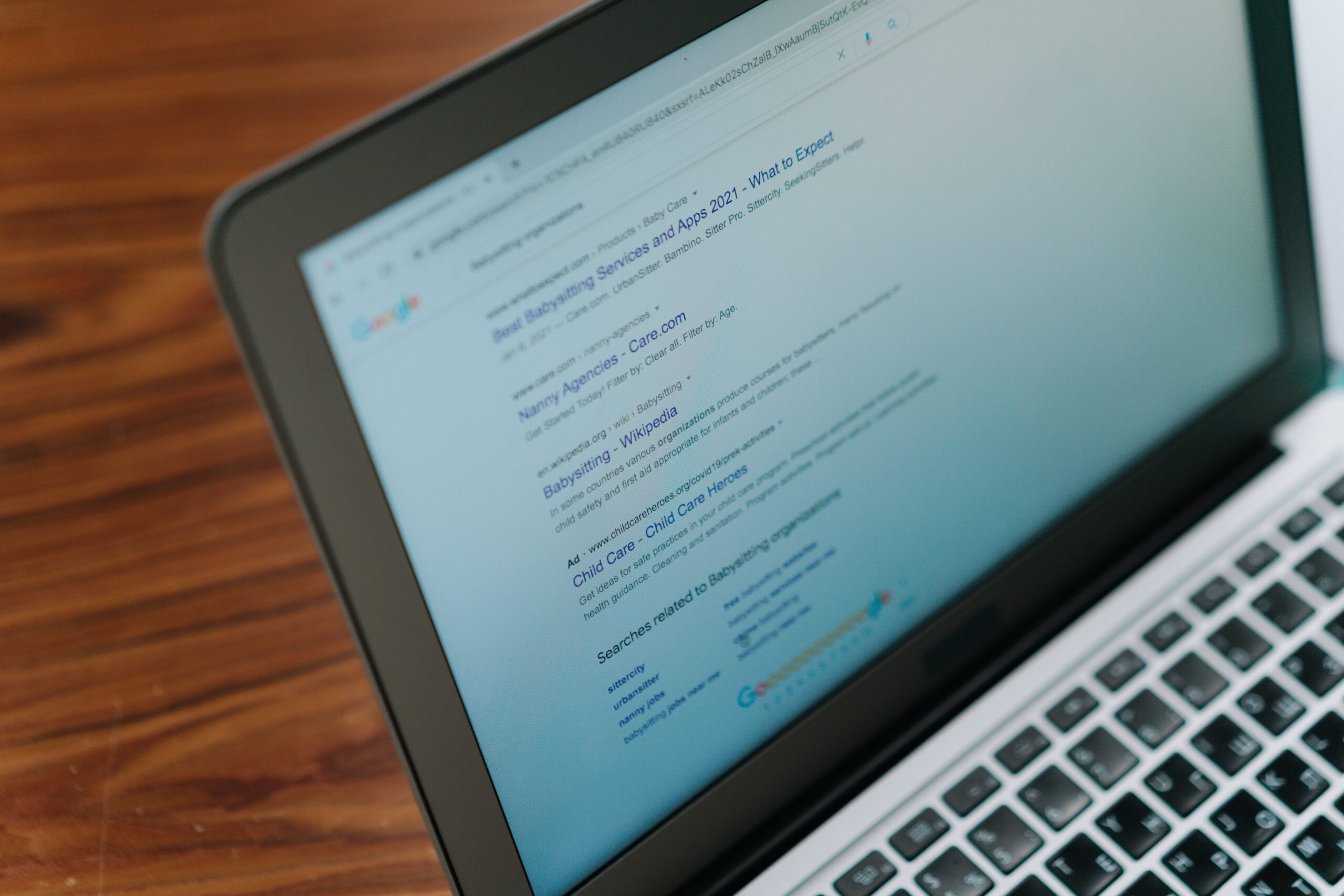
Ranking in position zero, also known as the featured snippet, means earning the prominent answer box that appears above the regular organic results. It is one of the most visible places in search, but it is not reserved for big brands or technical experts. With the right structure, clarity, and search intent alignment, smaller sites can compete too.
The key is to help Google understand which part of your page answers a specific question best. That usually means creating focused content, using clean page structure, and making information easy to extract. If you are learning SEO basics, a SEO learning resource like Backlink Works can help you build a stronger foundation without relying on shortcuts.
What Position Zero Means
Position zero is the featured snippet Google shows at the top of some search results pages. It is designed to answer a query quickly, often in a paragraph, list, table, or short definition. The page below the snippet is still the source, so earning the snippet can improve visibility even when you are already ranking on page one.
Featured snippets are usually triggered by informational queries, comparisons, definitions, steps, and “how to” searches. Google chooses the format it thinks best fits the question. Your job is to make your content easy to scan, precise, and directly useful.
How Google Chooses Featured Snippets
Google does not award snippets at random. It looks for pages that appear to answer the query clearly and efficiently. That means relevance matters, but so do structure, language, and page quality. A page that is helpful, well organised, and easy to interpret has a stronger chance than one with vague or buried answers.
Search intent matters first
If the searcher wants a definition, give a definition. If they want steps, give steps. If they are comparing options, use a concise comparison. Matching intent is often the difference between being ignored and being selected.
Format influences snippet type
Short paragraphs work well for definitions and direct answers, while numbered or bulleted lists suit process-based searches. Tables can help for comparisons, pricing summaries, or feature breakdowns. The format should support the answer, not distract from it.
Featured Snippet Strategies That Work
The most effective way to rank in position zero is to make your page easy to quote. That usually starts with one clear target question per section and a direct answer within the first few sentences. Keep the wording natural, but avoid unnecessary filler before the answer.
For example, if your page targets “what is schema markup”, open with a concise definition, then expand with examples and practical use cases. This gives Google a clean answer to extract while still helping readers who want more detail.
Use descriptive headings that reflect real search queries. Include terms your audience would actually type into Google, but do not force awkward phrasing. Support the main answer with related subtopics such as variations, examples, benefits, and limitations. This helps the page feel complete without losing focus.
Internal linking also matters because featured snippet pages often sit inside broader topic clusters. Link to closely related pages where it makes sense so search engines can see the topical relationship. If you are checking for indexing or technical barriers before trying to win snippets, a free website SEO audit can help you spot issues such as crawlability or weak page structure.
On-Page and Technical SEO Signals
Featured snippets are not only about wording. On-page SEO and technical SEO help Google trust and access your content. Use a clear title tag, a sensible URL, and headings that reflect the page structure. Make sure the page loads well on mobile devices and is easy to navigate.
Core Web Vitals and page speed do not directly win snippets on their own, but slow or unstable pages can hurt user experience. A page that is difficult to use is less likely to perform well over time. Likewise, if Google struggles to crawl or index the page, it will not be able to consider it for snippet placement reliably.
Schema markup can support understanding, especially for FAQs, how-to content, and product or service pages. It is not a shortcut to position zero, but it can improve clarity and help search engines interpret your content more accurately. If you use SEO tools, treat them as guides for improvement rather than guarantees of visibility.
Best Practices
- Answer the main question early, then expand with useful detail.
- Use one primary search intent per page or per section.
- Write in simple, direct language that is easy to quote.
- Use lists, tables, or short paragraphs when they match the query.
- Keep headings descriptive and aligned with real user questions.
- Improve internal linking so related pages support each other.
- Check indexing and performance issues before focusing on snippets.
- Review your content in Google Search Console to see which queries already generate impressions.
For marketers and agencies, reporting should include snippet opportunities as part of wider organic performance, not as a separate vanity metric. Google Search Console and Google Analytics can show which pages attract search traffic, which queries have high impressions, and where users drop off. That helps you refine content in a practical way.
If you want to deepen your knowledge of safe optimisation methods, Backlink Works also offers resources on sustainable SEO learning. For example, its Google-safe SEO practices guide can be useful when you are building a broader strategy around trust and long-term visibility.
Common Mistakes
- Writing long, unfocused introductions before answering the query.
- Targeting too many questions on one page without clear structure.
- Using vague headings that do not reflect search intent.
- Stuffing keywords instead of writing naturally.
- Ignoring mobile usability, page speed, or crawl issues.
- Relying on schema markup or one SEO tactic alone to do all the work.
- Updating snippets without checking whether the page still serves readers well.
A common error is treating featured snippets as a separate trick rather than a by-product of good SEO. Pages that perform well usually combine useful content, logical structure, and solid technical foundations. That is why an SEO audit is often a sensible starting point before trying to improve snippet visibility.
Conclusion
To rank in position zero, focus on clarity, intent, and structure. Give Google a page that answers a specific question better than competing pages, then support that content with strong on-page SEO, good internal linking, and solid technical hygiene. Featured snippets are earned through usefulness, not gimmicks.
If you are building a long-term SEO strategy, keep testing what searchers respond to and refine pages based on real data. Progress may be gradual, but a well-structured site that answers questions clearly has a better chance of growing organic visibility over time.
Frequently Asked Questions
What type of content is most likely to win a featured snippet?
Content that answers a specific question clearly is often the strongest candidate. Definitions, short explanations, steps, comparisons, and list-based content tend to perform well when they match the search intent closely. The page still needs to be useful, well structured, and relevant overall.
Does schema markup help with position zero?
Schema markup can help search engines understand your content, but it does not guarantee a featured snippet. It is best used as part of a wider SEO approach that includes strong content, clear headings, good crawlability, and useful page layout. Think of it as support, not a shortcut.
Can a new website rank in position zero?
Yes, but it is not automatic. Newer sites can earn snippets if they publish focused, helpful content that answers the query well and is easy for Google to process. Competition, authority, and content quality all matter, so results may take time and refinement.
How do I find snippet opportunities?
Start with queries your site already appears for in Google Search Console, especially those with high impressions and low clicks. Look for informational searches where a concise answer would help. Then review the current snippet format and improve your page to match the intent more closely.
- Sponsored Ad -





