
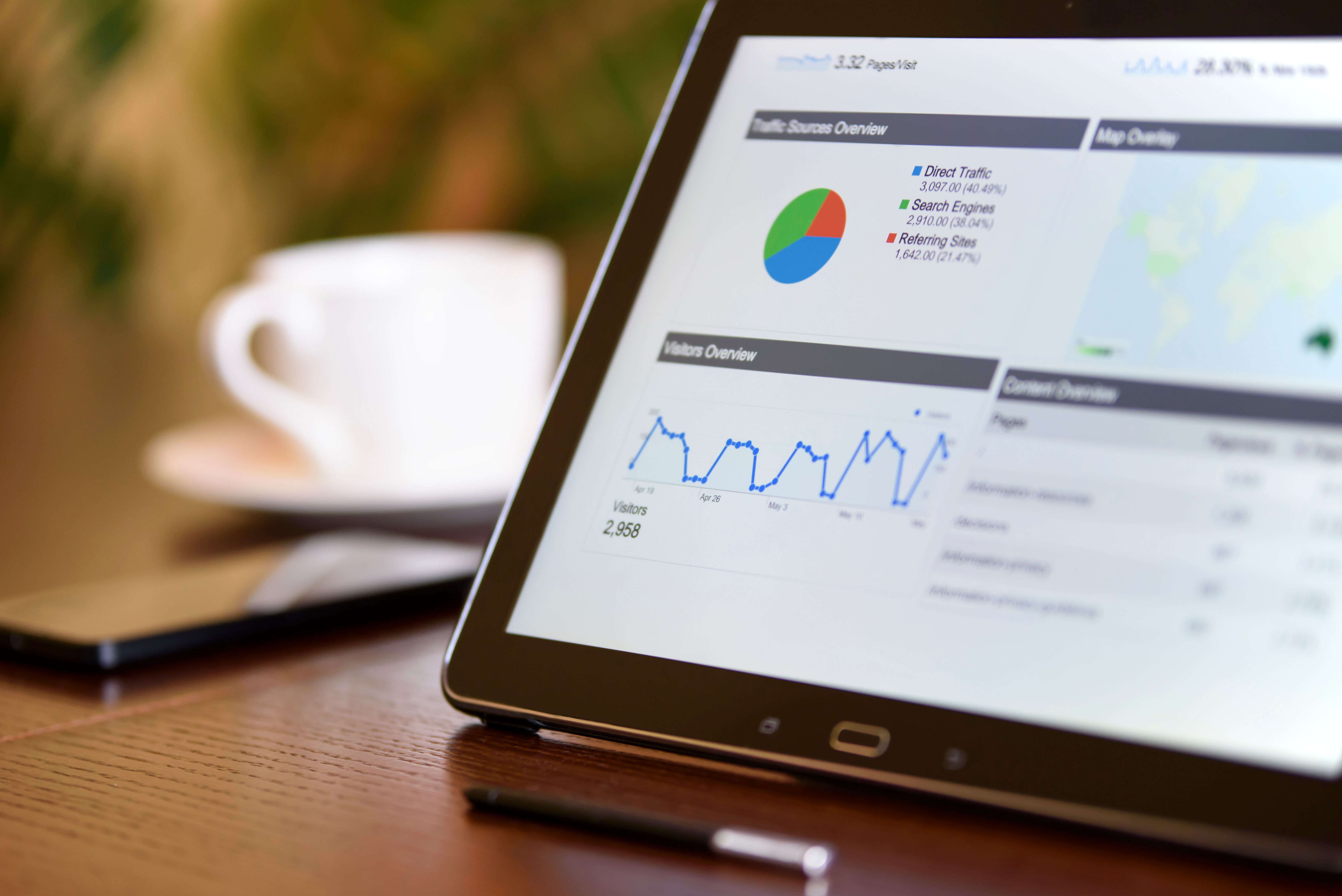
Rank tracking tools and analytics tools both help you understand how a website is performing in search, but they answer different questions. Rank trackers focus on where your pages appear for target keywords, while analytics tools show what users do after they land on your site. Used together, they give a fuller picture of organic visibility and website growth.
For many site owners, the challenge is not choosing one tool forever, but knowing when each one is the right fit. A good SEO workflow usually combines free SEO tools, keyword research tools, search console data, page speed checks, and reporting tools, then adds paid platforms where deeper tracking or scale is needed.
What rank tracking tools do
Rank tracking tools monitor how your pages move in search results for specific keywords over time. They are useful for checking whether SEO changes may have affected visibility, which pages are ranking, and how you compare with competitors on priority search terms.
These tools are especially helpful for keyword research follow-up, content optimisation, local SEO, ecommerce category pages, and campaign reporting. If you update a service page, publish a blog post, or improve internal linking, rank tracking can show whether your target terms are shifting. That said, rankings are only one part of SEO, and they do not tell you whether visitors are engaging with the page.
What analytics tools do
Analytics tools such as Google Analytics 4 help you understand behaviour after the click. They can show which pages receive traffic, how users move through the site, where engagement is stronger, and which content supports conversions or enquiries.
This matters because a page can rank well but still underperform if visitors leave quickly, struggle to find information, or do not take the next step. Analytics is useful for content strategy, ecommerce SEO, website UX, and measuring the value of organic traffic beyond impressions or position changes. For official reporting, Google Analytics remains a core source for many websites.
When to use rank tracking tools
Use rank trackers when your main question is visibility in search results. They are valuable if you are monitoring a launch, comparing pages for the same keyword, tracking a local pack campaign, or reviewing progress across a keyword set for clients or stakeholders.
They can also support competitor analysis by showing how your site performs against other domains for shared topics. For agencies and consultants, rank tracking often works best in monthly reporting, where position changes help explain SEO movement, but should be paired with search demand and traffic data so the story is not oversimplified.
Common rank tracking use cases
Rank tracking is often used for service pages, location pages, blog posts targeting specific intents, product category pages, and pages that have recently been optimised. It is also useful when you need to spot volatility after technical changes, content updates, or algorithm shifts.
When to use analytics tools
Use analytics tools when the question is about audience behaviour, landing page quality, or business impact. If you want to know which pages attract organic users, which content keeps them engaged, or which journeys lead to conversions, analytics is the right place to start.
Analytics is also more useful than rank data when you need to understand page performance across devices, sessions, geographies, or traffic sources. Combined with Google Search Console, it can help separate search visibility issues from user experience issues. Search Console is especially useful for indexing, queries, pages, and click-through trends; you can access it via the official Search Console interface.
How to choose the right tool for the job
The right choice depends on your goal, budget, site size, and reporting needs. Free tools are often enough for beginners and small sites, while paid tools may make sense for agencies, ecommerce stores, or larger websites that need deeper history, more keywords, or multi-client reporting.
Before choosing, check whether you need keyword-level visibility, behaviour data, technical SEO support, or all of the above. Consider whether the tool works well with WordPress SEO plugins, ecommerce platforms, local SEO campaigns, or your reporting workflow. Tools such as PageSpeed Insights, schema markup generators, crawl tools, and backlink checker tools can complement rank tracking and analytics when you need a broader audit.
A practical approach is to use rank trackers for search position monitoring, analytics tools for user behaviour, PageSpeed Insights for performance checks, and crawling or audit tools for technical issues. If your SEO work includes content planning or authority building, you may also review backlink data and competitor pages. Backlink Works offers additional guidance and resources for site owners building a broader SEO process, including a free website SEO audit.
Best practices for using both together
Rank tracking and analytics are most effective when they are interpreted together. A ranking gain means little if traffic does not rise, engagement drops, or the page is not relevant to the query intent. Likewise, a page with strong engagement but weak rankings may need content refreshes, internal links, or technical fixes.
Use this simple checklist:
1. Track a focused set of keywords that match your business goals.
2. Review organic landing pages in analytics each month.
3. Check Search Console for query and indexing changes.
4. Run speed and Core Web Vitals checks when performance slips.
5. Use crawl and schema tools when pages are not being discovered or displayed well.
For technical and content decisions, keep an eye on canonical tags, page titles, internal linking, thin content, and mobile usability. If search visibility is the priority, these signals often matter as much as rank positions.
Conclusion
Rank tracking tools and analytics tools are not competitors; they solve different SEO problems. Rank tracking tells you where you stand in the results, while analytics tells you what happens after users arrive. Most website owners will get better decisions by using both, supported by Search Console, speed tools, audit tools, and content optimisation tools.
Choose the tool that matches the question you need to answer, not the tool with the longest feature list. That way, your SEO work stays practical, measurable, and aligned with the needs of your website, audience, and growth goals.
Frequently Asked Questions
Do I need both rank tracking and analytics tools?
In most cases, yes. They provide different insights, so using both gives a clearer view of visibility and user behaviour.
Are free SEO tools enough for beginners?
Often, yes. Free tools can cover basic tracking, audits, and reporting, but they may have limits on depth, history, or scale.
Is Google Search Console a rank tracking tool or an analytics tool?
It is neither in the traditional sense. It is a search performance and indexing tool that supports both ranking and SEO analysis.
What should I check first if rankings drop?
Start with Search Console, analytics, and recent site changes. Then review technical issues, content updates, and page speed before drawing conclusions.
- Sponsored Ad -





