
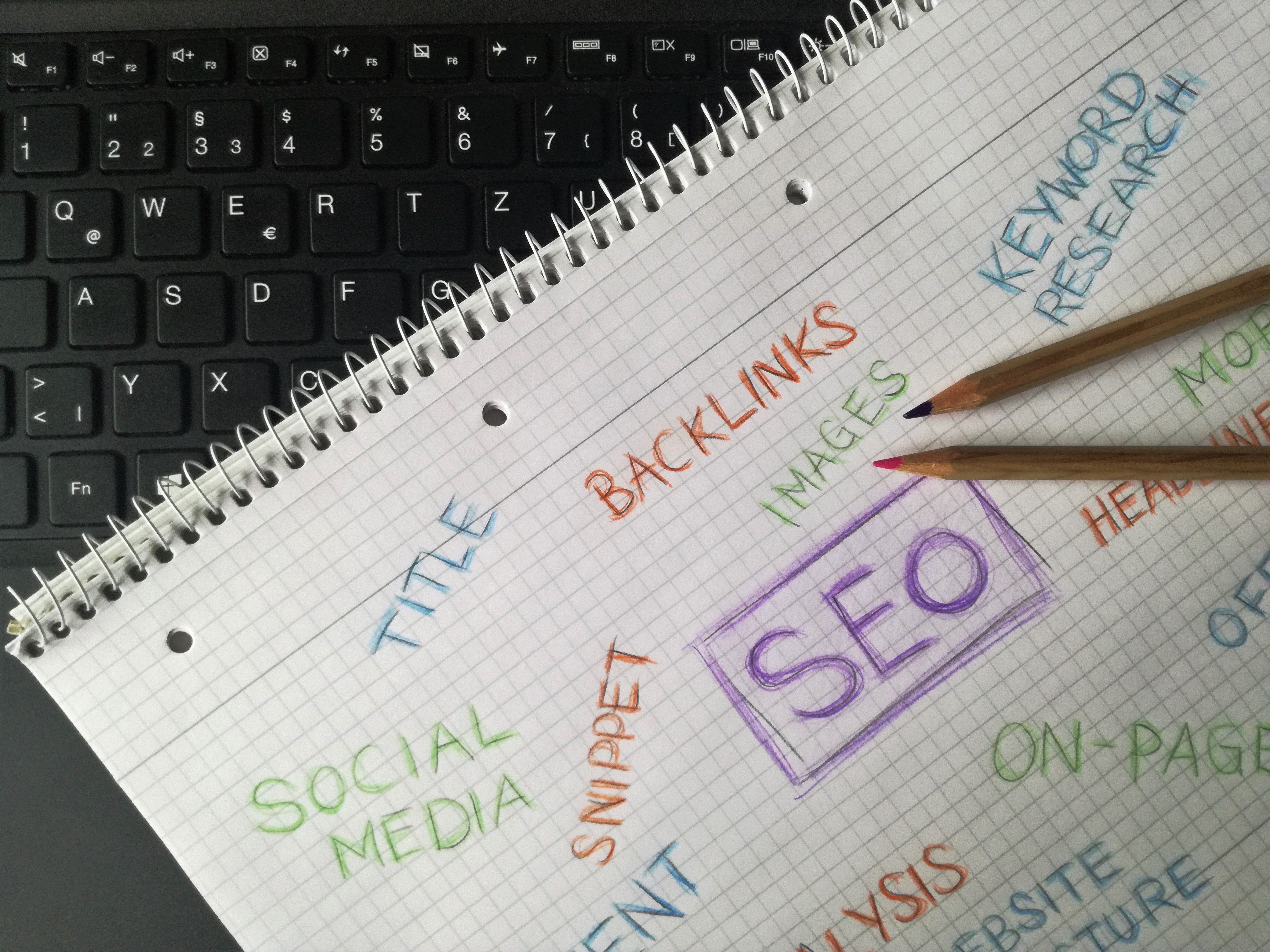
Backlinks still matter in SEO, but the way you build them matters even more. For website owners, bloggers, agencies, and business teams across Europe, safe link building is about earning or acquiring relevant links without creating unnecessary risk for rankings.
In a European SEO context, this usually means focusing on quality, relevance, language fit, and natural placement rather than chasing large volumes of weak links. Whether you are improving a local business site, a multilingual blog, or a wider ecommerce brand, the goal is the same: build authority in a way that supports long-term organic visibility.
What SEO backlinks mean in Europe
SEO backlinks are links from other websites that point to your site. They help search engines understand that your content, brand, or service is worth noticing. In Europe, backlink strategy often needs to reflect local markets, different languages, regional publications, and country-specific search intent.
A good backlink from a relevant European site can be more useful than several weak links from unrelated sources. For example, a UK travel blog linking to a French hotel guide may be valuable if the audience and topic are aligned. Relevance, context, and trust usually matter more than raw link count.
If you are still learning how backlink profiles are built, a practical resource like this backlink building guide can help you understand the basics before making decisions that affect your site’s authority.
Why safe link building matters
Safe link building is important because search engines look for signs of manipulation. Links that are spammy, irrelevant, over-optimised, or clearly artificial can do more harm than good. A safe approach reduces the chance of penalties, wasted budget, and damaged trust.
For European websites, safety also means paying attention to language and location. A German business usually benefits more from links on German-language sites or internationally trusted publications than from unrelated pages built only for SEO. Google-safe backlinks are typically those that look natural, fit the topic, and provide real value to readers.
If you want a simple overview of safe practices, Google-safe backlinks is a useful place to start when reviewing risk and quality.
What makes a backlink valuable
Not all backlinks carry the same value. A useful backlink usually comes from a site that is trusted, relevant, well maintained, and able to send genuine users to your page. The link should also sit naturally within the content rather than being forced into an irrelevant list or footer.
Key quality signals
- Topical relevance to your page or business
- Real editorial context around the link
- A credible site with a clean backlink profile
- Reasonable anchor text that sounds natural
- Placement on an indexable page that search engines can crawl
Do follow links can pass authority, while nofollow links may still provide brand exposure, traffic, and a more natural link profile. A healthy backlink profile often includes a mix of both, especially when links come from real editorial sources, directories, or social mentions.
If you are checking broader SEO signals as part of your link strategy, a free website SEO audit can help identify technical issues that may be affecting how well your backlinks support rankings.
Safe backlink buying in Europe
Some website owners choose to buy backlinks or use commercial link building services. That can be part of an SEO plan, but only when done carefully and with realistic expectations. Buying links should never mean buying low-quality placements, hidden links, or irrelevant bulk mentions.
In Europe, safe backlink buying usually means selecting placements that match your audience, industry, and target country. It also means reviewing the site quality, checking where the link will appear, and making sure the content is useful and original. A careful, transparent process is far safer than chasing volume.
If you want a deeper explanation of how links should be created and reviewed, the backlink building process can help you understand the workflow behind safer link acquisition.
Backlink Works can also be a useful backlink building and SEO learning resource when you want to compare approaches and better understand the difference between safe and risky link acquisition.
Backlink indexing and visibility
Getting a backlink is only part of the job. Search engines need to discover and crawl the linking page before the backlink can contribute fully to visibility. That is why backlink indexing matters, especially if links are placed on pages that are new, deep within a site, or updated infrequently.
Indexing support does not mean forcing every link into search results. It means making sure the linking page is accessible, internally linked, and relevant enough to be crawled. Good technical hygiene on the referring site can improve how quickly links are found and understood.
If indexing is a concern in your campaign, backlink indexing may be worth reviewing as part of your link monitoring process.
Best practices for European link building
European link building works best when it follows a clear, measured plan. The most effective campaigns are usually built around relevance, quality control, and consistency rather than shortcuts.
- Target sites that match your industry and audience
- Use natural anchor text that fits the sentence
- Mix branded, topical, and generic anchors sensibly
- Prefer editorial placements over sitewide or hidden links
- Choose country-relevant domains when local visibility matters
- Review link pages for indexability and content quality
- Track which links bring traffic, mentions, or ranking support
When you are planning broader off-page SEO, resources such as Backlink Works can help you compare backlink concepts and choose a safer, more informed strategy.
Common mistakes to avoid
Many backlink problems come from rushing. A fast campaign can create a weak profile that is hard to clean up later. Common mistakes include buying irrelevant links, using the same anchor text too often, and ignoring whether the linking page is actually crawlable.
- Choosing links only by domain metrics without checking relevance
- Using exact-match anchor text too aggressively
- Focusing on quantity instead of quality
- Ignoring language and country relevance in Europe
- Assuming every link will be indexed immediately
- Relying on automated or spammy link sources
It is also a mistake to expect backlinks alone to solve ranking issues. Content quality, site structure, page experience, and search intent all influence performance. Backlinks should support a strong page, not replace one.
Practical checklist
Use this checklist before building or buying any backlink in Europe:
- Is the linking site relevant to my topic or market?
- Does the page feel natural and helpful to readers?
- Is the site trusted and maintained?
- Will the anchor text read naturally in context?
- Is the page likely to be indexed by search engines?
- Does the link support a real user journey or only SEO?
- Have I avoided spammy, hidden, or repeated patterns?
If you are comparing options and want structured guidance, the link building FAQ is a helpful reference for common safety and process questions.
Conclusion
SEO backlinks in Europe work best when they are relevant, natural, and built with care. Safe link building is less about chasing quick wins and more about earning trust from the right sites, in the right language, for the right audience. That approach supports sustainable organic growth without leaning on risky tactics.
For website owners, bloggers, marketers, and agencies, the smartest backlink strategy is to focus on quality, indexability, and relevance first. When backlinks are part of a wider SEO plan that also improves content and technical health, they can contribute to stronger visibility over time.
Frequently Asked Questions
Are backlinks still important for European SEO?
Yes, backlinks remain an important trust and authority signal. For European SEO, the best links usually come from relevant, reputable sites that match your language or market. They work best alongside strong content, good site structure, and a clear local or regional strategy.
What makes a backlink safe?
A safe backlink is usually relevant, editorially placed, and naturally integrated into useful content. It should not be hidden, automated, or clearly made only for search engines. Safe backlinks also avoid over-optimised anchor text and fit the context of the page.
Do nofollow links have any value?
Nofollow links can still be valuable for referral traffic, brand awareness, and creating a natural-looking backlink profile. While they may not pass the same authority signals as dofollow links, they still form part of a realistic link profile when mixed with quality editorial links.
How do I know if backlinks are being indexed?
You can check whether the linking page appears in search results or use SEO tools to monitor crawl and index status. If links sit on pages that are hard to reach or poorly maintained, they may take longer to be discovered. Indexability is an important part of link value.
- Sponsored Ad -





