
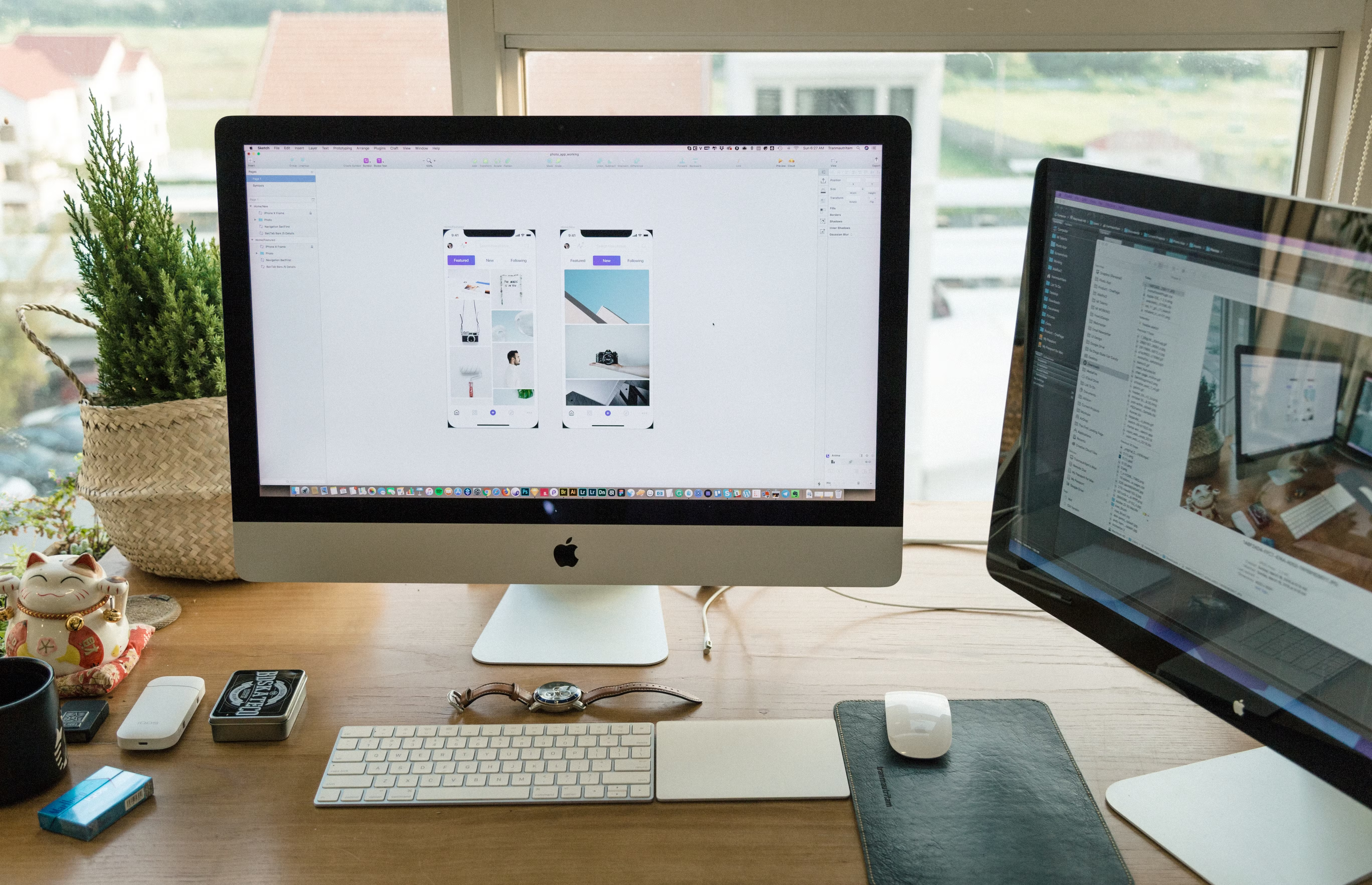
Design is not just about how a blog looks. For bloggers, it also affects how easily visitors can read content, move around the site, and find what they need. A well-designed website supports SEO by making pages easier to crawl, improving mobile usability, and helping search engines understand your content structure.
It also helps readers stay engaged. Clear navigation, fast-loading pages, accessible layouts, and focused calls to action can improve user experience without resorting to pushy or misleading tactics. That matters for blogs, business websites, ecommerce stores, and service pages alike.
What SEO-friendly website design means for bloggers
SEO-friendly website design is the practice of building pages that work well for both people and search engines. It is not about stuffing keywords into a layout or hiding content in clever ways. Instead, it focuses on structure, speed, mobile usability, accessibility, and content presentation.
For bloggers, that means creating a site where posts are easy to discover, categories are logical, and important pages are linked naturally. Search engines can better understand a site when the design supports a clear hierarchy. Readers benefit too, because they can quickly scan headings, move between related articles, and return to key pages without confusion.
Start with a mobile-first, responsive layout
Most blog traffic often comes from mobile devices, so the layout should be designed for smaller screens first. A responsive web design adjusts to different devices without forcing users to zoom, pinch, or scroll sideways. This is important for usability and for SEO, because mobile friendliness is part of a strong user experience.
Keep text readable, buttons easy to tap, and spacing generous enough to avoid accidental clicks. Avoid crowded sidebars or too many competing elements on mobile. If you use WordPress, choose a theme that supports responsive design properly rather than relying on heavy customisation that may slow the site down. If you want to review your site’s current technical health, a free website SEO audit can help identify design-related issues that may affect performance.
Build a clear website structure and navigation
A good website structure helps both crawlability and content discovery. Your homepage, category pages, individual posts, and supporting pages should fit into a logical hierarchy. This is especially important for blogs that cover several topics, because a confusing structure can make valuable content harder to find.
Use simple navigation labels that reflect what users expect to see. Avoid cluttering the menu with too many links. Instead, prioritise the main sections of your site, such as categories, about, contact, and popular resources. Internal linking is also part of the structure. Link between related posts when it genuinely helps the reader, and use descriptive anchor text so users know what they are clicking.
For service businesses and business websites, this same approach works well on service pages and landing pages. The visitor should understand the offer, the next step, and the supporting information without hunting through the site.
Design page layouts that improve readability and engagement
Page layout affects how visitors consume content. A strong blog layout makes it easy to scan headings, subheadings, and supporting sections in the right order. Short paragraphs, consistent typography, and useful visual spacing all improve readability.
When writing blog posts, think about content layout as part of the design. Break long sections into smaller chunks. Use
sub-sections
to support skimming. Place the most important information near the top, and avoid burying key points beneath distractions. This helps readers quickly decide whether the page answers their question.
For conversion-focused design, place trust signals and calls to action where they feel natural. On a blog, that might mean a relevant newsletter sign-up, a helpful resource, or a link to a service page. Results depend on traffic quality, page clarity, offer relevance, and testing, so keep the approach user-centred rather than aggressive.
Improve speed and Core Web Vitals
Website speed is a design issue as much as a technical one. Large images, too many scripts, and heavy page builders can slow a blog down and create a frustrating experience. Slow pages can also make it harder for search engines to crawl efficiently and for users to stay engaged.
Core Web Vitals are useful signals to keep in mind because they reflect loading speed, visual stability, and responsiveness. Practical design choices can improve them: compress images, avoid unnecessary animations, limit large third-party scripts, and keep layouts stable while the page loads. If you use WordPress, choose lightweight themes and only add plugins you actually need.
Tools such as PageSpeed Insights can help you spot opportunities to improve performance without guessing.
Design with accessibility and trust in mind
Accessible design helps more people use your website comfortably, including visitors using screen readers, keyboard navigation, or smaller devices. It also tends to improve clarity for everyone. Use sufficient colour contrast, readable font sizes, descriptive link text, and proper heading order.
Trust is also shaped by design. Clean spacing, a consistent visual style, and clear contact or about information can make a blog feel more credible. For ecommerce website design, product pages should include straightforward images, concise descriptions, pricing, and clear next steps. For consultants and service pages, visitors should be able to understand the service, proof points, and process without confusion.
A simple checklist can help:
- Use a responsive theme that works well on mobile
- Keep navigation short and logical
- Use headings to break up content clearly
- Compress images and reduce unnecessary scripts
- Make buttons and links easy to tap
- Review internal links on key pages
- Test layouts for readability and accessibility
Apply design choices to the right page type
Different page types need different priorities. Blog posts should focus on readability, related links, and easy scanning. Service pages should lead with the service value, explain what is included, and guide the visitor towards contact or enquiry. Product pages should balance visuals, product details, and trust signals while staying easy to browse.
Landing pages need a narrower focus than a general blog page. They should present one main action, one clear message, and minimal distraction. That does not mean removing all useful information. It means organising the page so the visitor can follow the story without confusion.
If your site is built around content marketing, consider how each page supports the next step. A blog article can introduce a topic, link to a deeper guide, and point readers towards a relevant service or resource. Done well, that improves site architecture and keeps the journey natural.
Conclusion
SEO-friendly website design is about making a blog easier to use, easier to understand, and easier to trust. When your layout supports mobile usability, speed, accessibility, and clear content structure, both readers and search engines can navigate the site more effectively.
For bloggers, small businesses, and online brands, the best design choices are usually the simplest ones: keep the structure logical, the pages fast, the text readable, and the next steps clear. Over time, those decisions can support better visibility, stronger engagement, and a more useful website overall.
Frequently Asked Questions
What makes a website design SEO-friendly?
An SEO-friendly design supports crawlability, mobile usability, page speed, internal linking, and clear content structure.
Is responsive design important for blogs?
Yes. Responsive design helps your blog work properly on phones, tablets, and desktops, which improves user experience.
How does website speed affect SEO?
Faster pages generally create a better user experience and make it easier for visitors to stay engaged with your content.
Should bloggers focus on design or content first?
Both matter. Strong content performs better when the design makes it easy to read, navigate, and trust the site.
- Sponsored Ad -





